


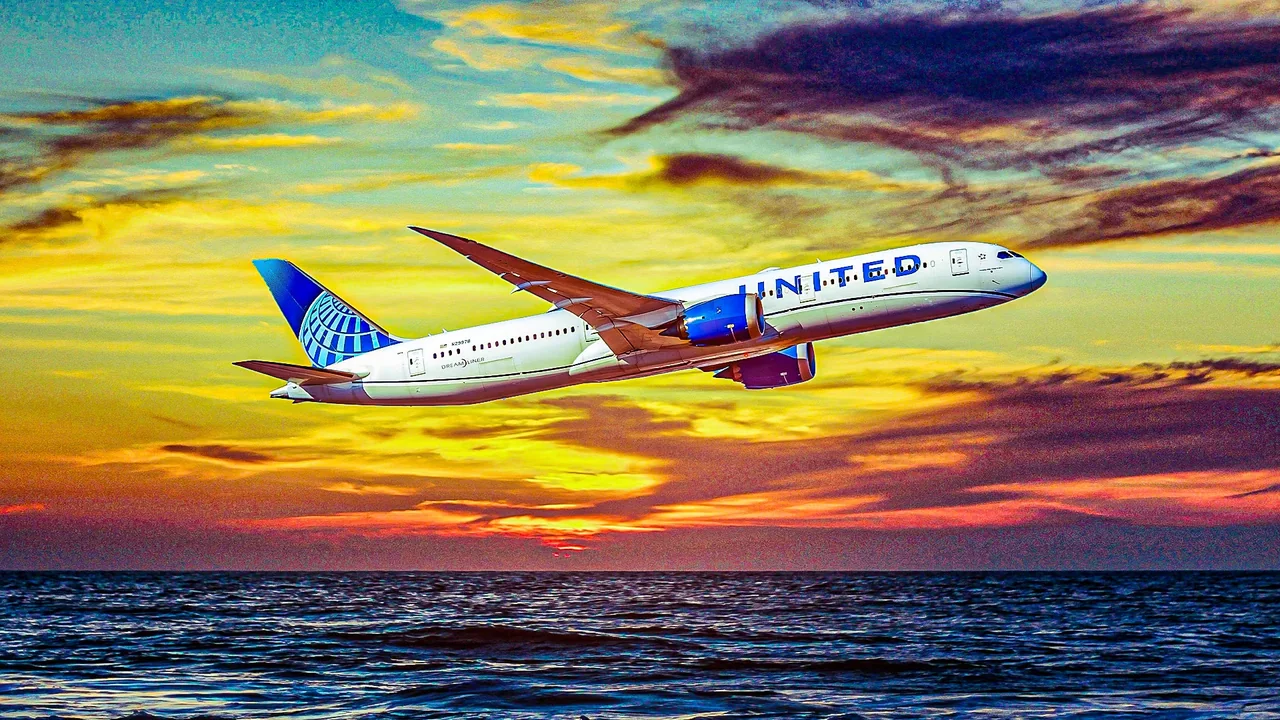
The aviation industry is facing a growing concern with newer seat designs failing to meet FAA safety standards. The issue has been highlighted by several airline executives, who are struggling to get their premium cabins certified. This problem affects not only the airlines but also their customers, who are eagerly awaiting the introduction of new luxury seats and suites.
The FAA's human factor tests are designed to ensure that aircraft interiors are safe for passengers. However, some newer seat designs have struggled to pass these tests, leading to certification delays. The situation is becoming increasingly complex, with regulators around the world facing similar challenges.
Airline executives are calling for earlier involvement from regulators in the design process. They argue that this would help identify potential issues before the aircraft is built or retrofitted. However, current procedures often result in a 'chicken and egg' problem, where aircraft are completed before certification is finalized.

The impact of these delays is being felt across the industry. Airlines are having to wait for seat certifications, which is affecting their delivery schedules. As a result, planes are sitting idle, waiting for the necessary approvals.
Several major airlines are currently facing certification challenges. Delta Air Lines and United Airlines are struggling with their lie-flat business class seats, while Lufthansa is experiencing similar issues with its new cabin designs.
The situation highlights the need for better communication between regulators and industry stakeholders. By working together, it may be possible to streamline the certification process and reduce delays.

Airlines are also investing heavily in new premium cabins, which are expected to drive revenue growth. However, these investments are being put at risk by the certification delays.
The FAA's role in regulating aviation safety is critical. The agency must ensure that aircraft interiors meet strict standards to protect passenger safety. Delays in this process can have significant consequences for airlines and their customers.
As the industry moves forward, it will be important to address these challenges head-on. By improving communication and streamlining the certification process, regulators and airlines can work together to create safer and more comfortable flying experiences.

The future of premium airline seats hangs in the balance. As the industry navigates this complex issue, one thing is clear: passenger safety must remain the top priority.
The certification process is crucial for ensuring passenger safety, and delays can have significant impacts on airlines' operations.


