

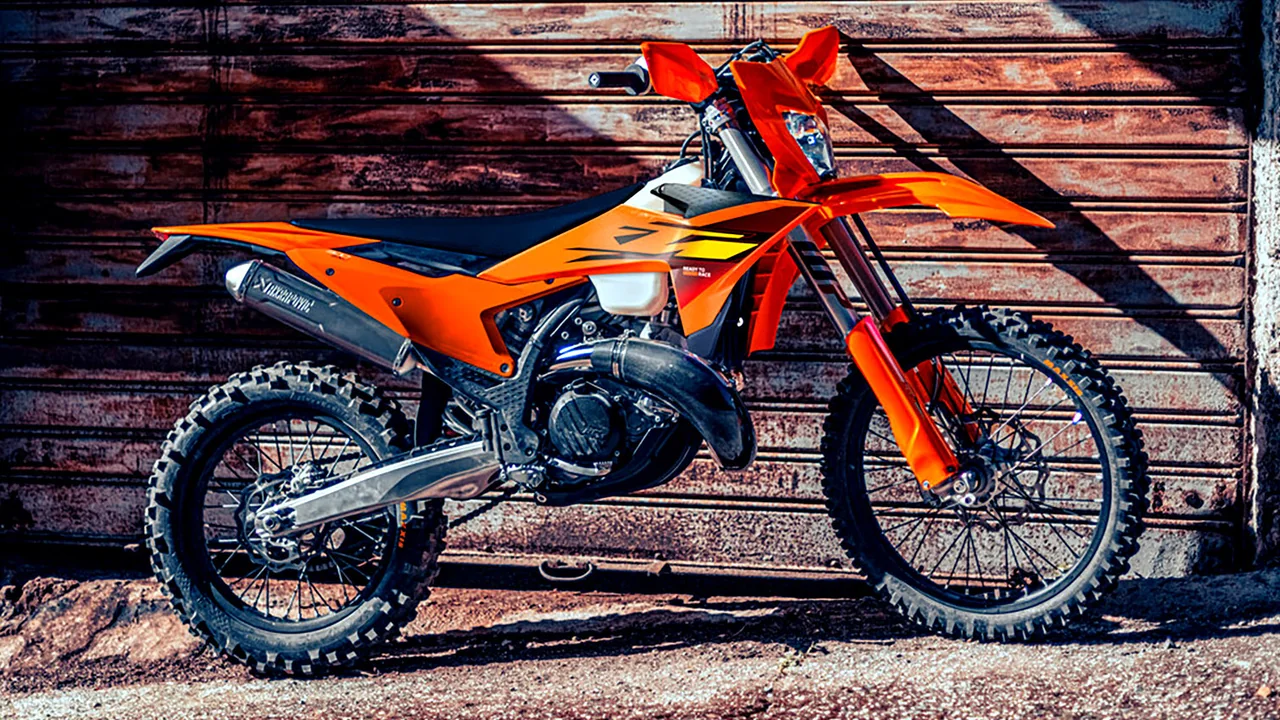
KTM, Europe's largest motorcycle manufacturer, is facing a scandal over allegedly selling off-road bikes that are detuned for road approval. The company has been accused of shipping these bikes in a restricted state, only to have dealers restore full power once the customer takes delivery.
This practice has raised concerns among regulators and consumers alike, with some reports suggesting that these 'supermotos' can produce as much carbon monoxide as a diesel locomotive and particulate emissions much higher than those of a car. The International Council on Clean Transportation has described the derestricted KTM bikes as "more than twice as loud".
KTM's alleged practice is not only a regulatory issue but also a safety concern, with some dealers warning that the detuned engines fail after barely 12 miles or 20 km of use. This can lead to serious accidents and injuries, putting riders at risk.
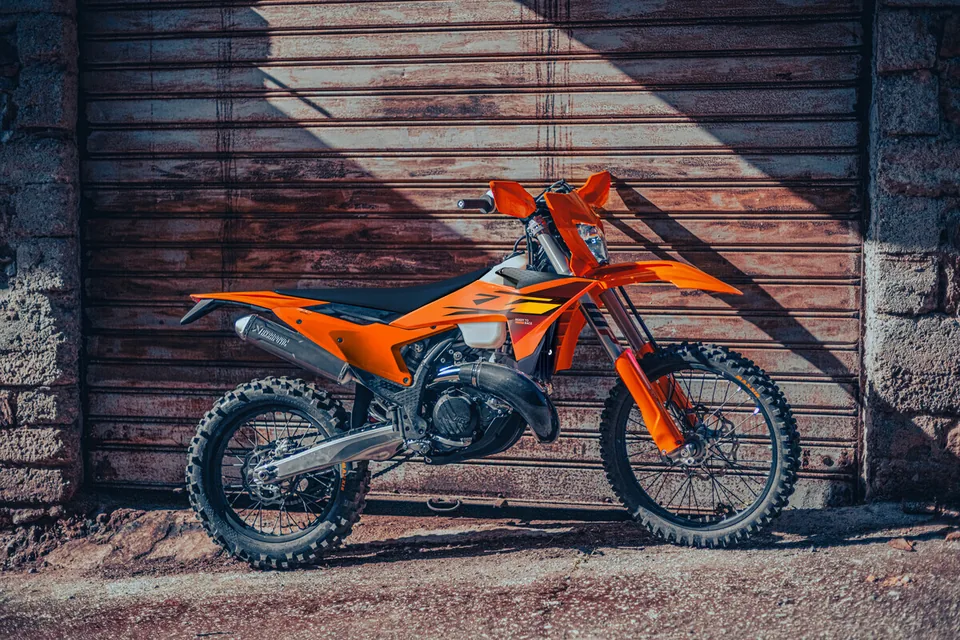
The company has been accused of prioritizing profits over environmental sustainability and regulatory compliance. KTM's sales representatives have admitted to the practice, describing it as a "cheat".
Insurance companies do not cover these 'supermotos', leaving riders without protection in case of an accident. This can lead to serious financial consequences for the rider and their family.
KTM has been shipping its off-road bikes, such as the 350 EXC-F, in a restricted state to meet registration and emissions regulations. However, once the bike is sold, it is modified to restore full power.
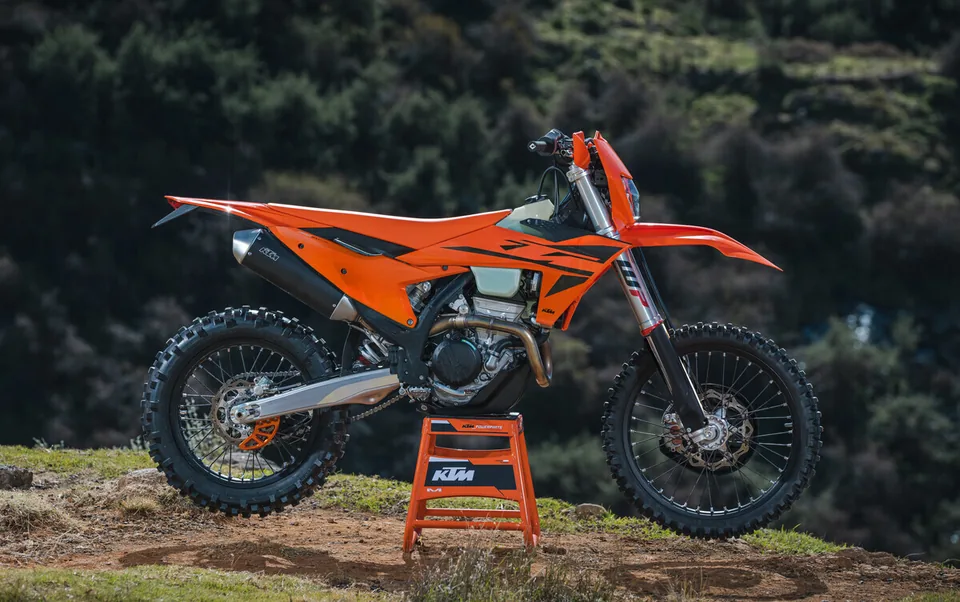
The company's alleged practice raises questions about KTM's commitment to environmental sustainability and regulatory compliance. It also highlights the need for stricter regulations and enforcement to prevent similar practices in the future.
In light of this scandal, KTM must take immediate action to address these concerns and ensure that its products meet all relevant regulations and safety standards.
The company's reputation is at stake, and it is essential that KTM takes steps to rectify this situation and restore trust with its customers and regulators.
The practice raises concerns about KTM's commitment to environmental sustainability and regulatory compliance.