

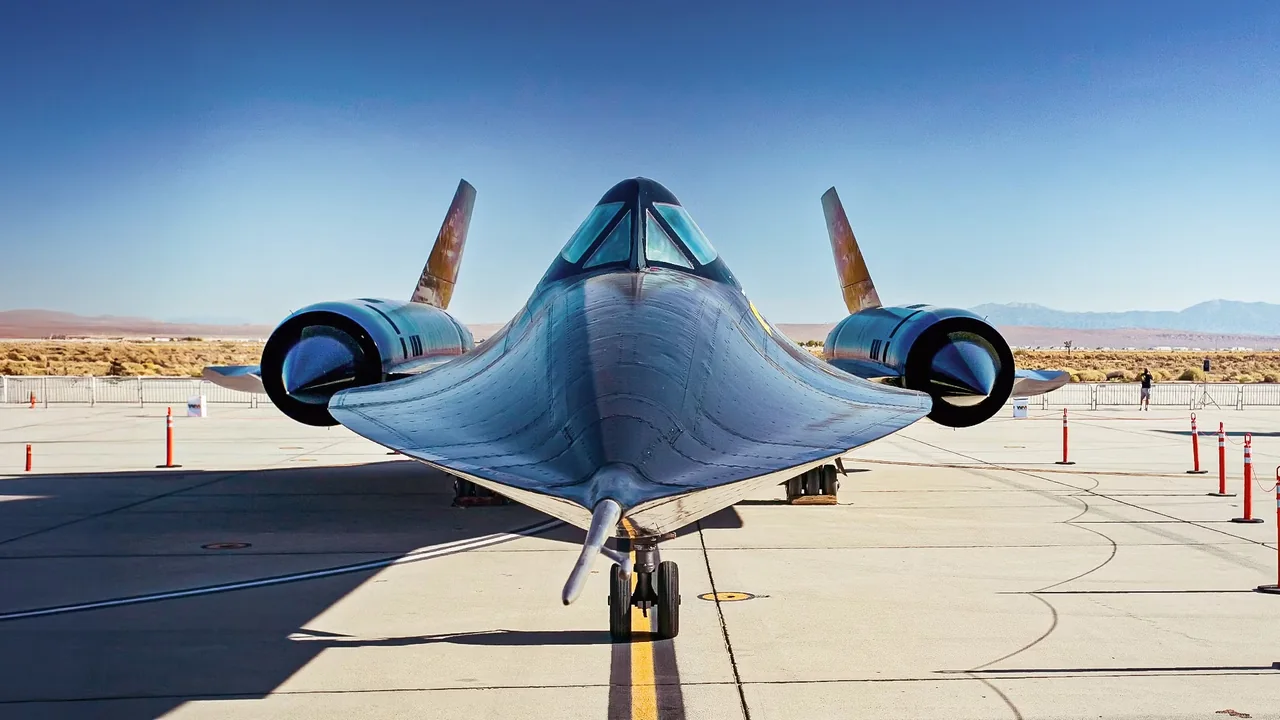
The SR-71's surface temperatures during a sustained Mach 3 mission regularly reached extreme levels, posing a challenge to the aircraft's structural integrity and pilot safety.
Aerodynamic heating is a critical factor in supersonic flight, as it converts air molecules' kinetic energy into heat, which can cause damage to the aircraft's skin.
The SR-71's unique design required innovative solutions to mitigate the effects of aerodynamic heating on its components.

Fused silica was chosen for the windshield due to its exceptional thermal resistance and ability to maintain optical clarity under extreme temperatures.
The use of fused silica allowed the designers to create a heat-resistant canopy that could withstand the intense temperatures generated by supersonic flight.
This innovative solution enabled the SR-71 to operate at Mach 3+ for extended periods, making it an ideal platform for reconnaissance missions.

The development of the SR-71's windshield was a testament to the ingenuity and expertise of its designers, who had to overcome significant technical challenges to create a safe and functional aircraft.
The SR-71's thermal environment was so extreme that conventional materials would have failed immediately, highlighting the need for innovative solutions in aerospace engineering.
The SR-71's thermal environment was a significant design constraint due to its prolonged Mach 3+ flight duration.