
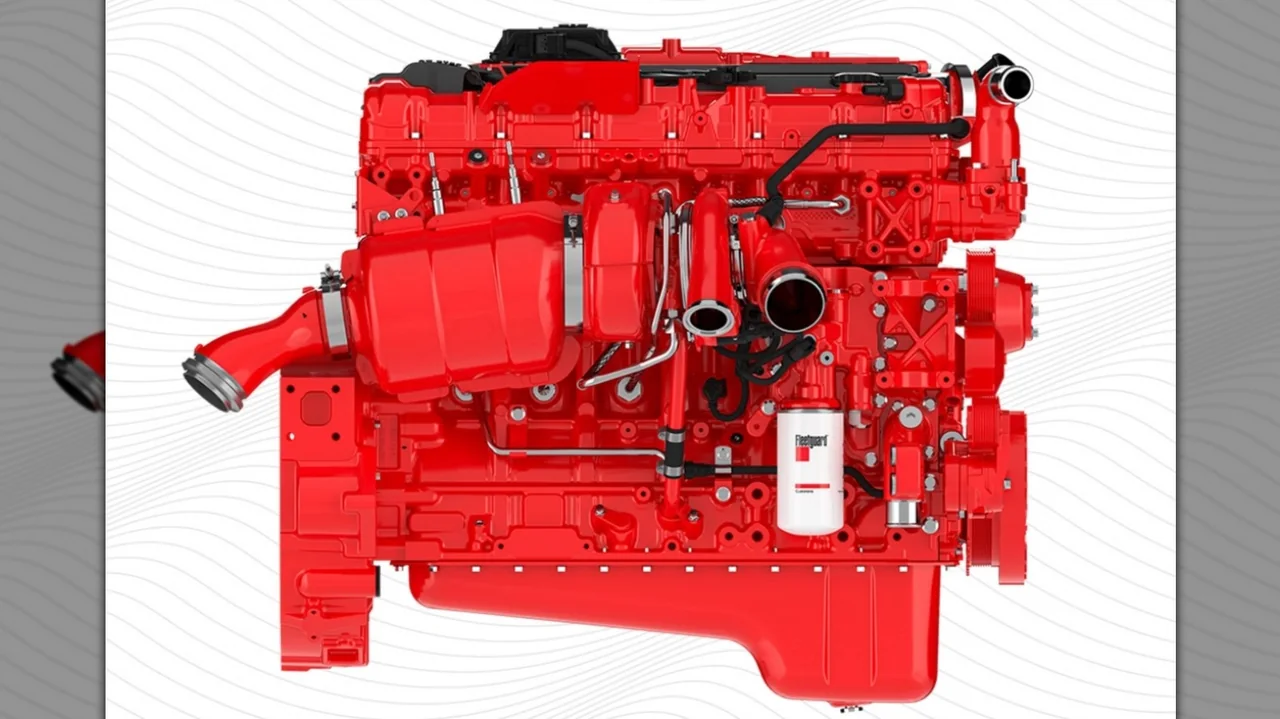
The automotive industry is witnessing a paradigm shift with the introduction of a gas-powered engine by Cummins, a 107-year-old engine manufacturer. The new engine, known as the B6.7 Octane, is a turbocharged 6.7-liter inline-six that runs on regular gasoline instead of diesel. This innovative design is part of Cummins' HELM (Higher Efficiency, Lower emissions, Multiple fuels) series of engines, which aim to provide fuel agnostic solutions for various applications.
The B6.7 Octane engine is primarily designed for medium-duty trucks, including school buses and delivery vans. Its first application will be in the 29-foot Peterbilt U-Haul EM cargo box truck. Despite running on gasoline, the engine still produces diesel-like power figures, with four power levels ranging from 200 horsepower to 300 hp and 660 lb-ft of torque.
The engine's torque curve is equally impressive, with a double-overhead cam gas motor producing 660 pound-feet of torque at just 1,800 rpm. The rev range extends up to 3,200 rpm, which is comparable to its 6.7-liter diesel-sibling's performance. This design makes the engine feel like a diesel powertrain despite running on gasoline.
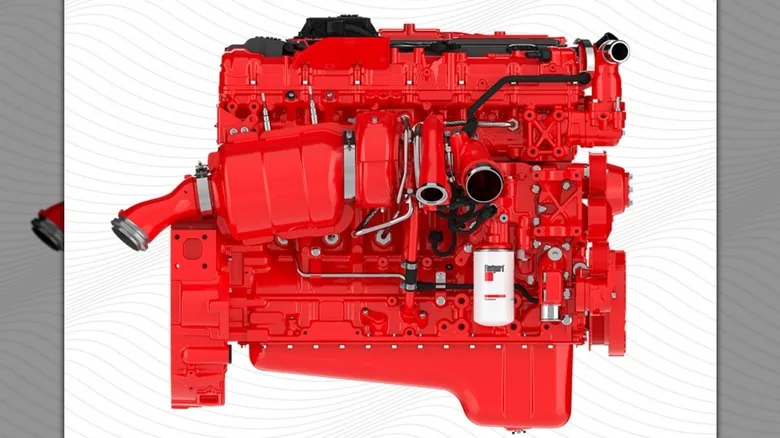
The Jacobs Engine Brake feature adds to the engine's diesel-like characteristics, making it even more unique. Cummins' experimental approach with the B6.7 Octane engine is part of its efforts to reduce emissions and increase efficiency. The engine's clean sheet design is expected to lead to future diesel and hydrogen derivatives that share its architecture.
One of the primary benefits of this gas-powered engine is reduced maintenance costs. Since the engine runs on gasoline, diesel exhaust fluid tanks and other emissions equipment can be eliminated while maintaining similar maintenance intervals to those of diesel engines. The engine is also designed to go nearly 15,000 miles between oil changes.
Another significant advantage of this engine is its ease of use and familiarity. By adopting a gas-powered engine, Cummins aims to simplify the driving experience for customers who are accustomed to filling up their gas cars at the pump. This approach eliminates the need for diesel-specific equipment and reduces the risk of complications.
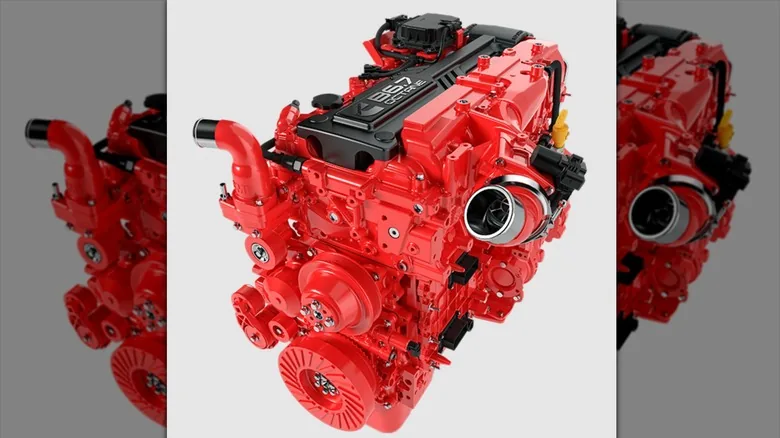
The adoption of this gas-powered engine in medium-duty trucks is a significant step towards reducing emissions and increasing efficiency. As the automotive industry continues to shift towards more sustainable solutions, innovative designs like the B6.7 Octane engine will play a crucial role in meeting these goals.
Cummins' HELM series of engines marks a new era in fuel-efficient design. By providing multiple fuel options, Cummins aims to cater to various customer needs and reduce its environmental footprint.
As the automotive industry continues to evolve, it is essential for manufacturers like Cummins to stay ahead of the curve with innovative designs that balance performance, efficiency, and sustainability.
The HELM series of engines marks a significant shift in Cummins' strategy towards more fuel-efficient options.