
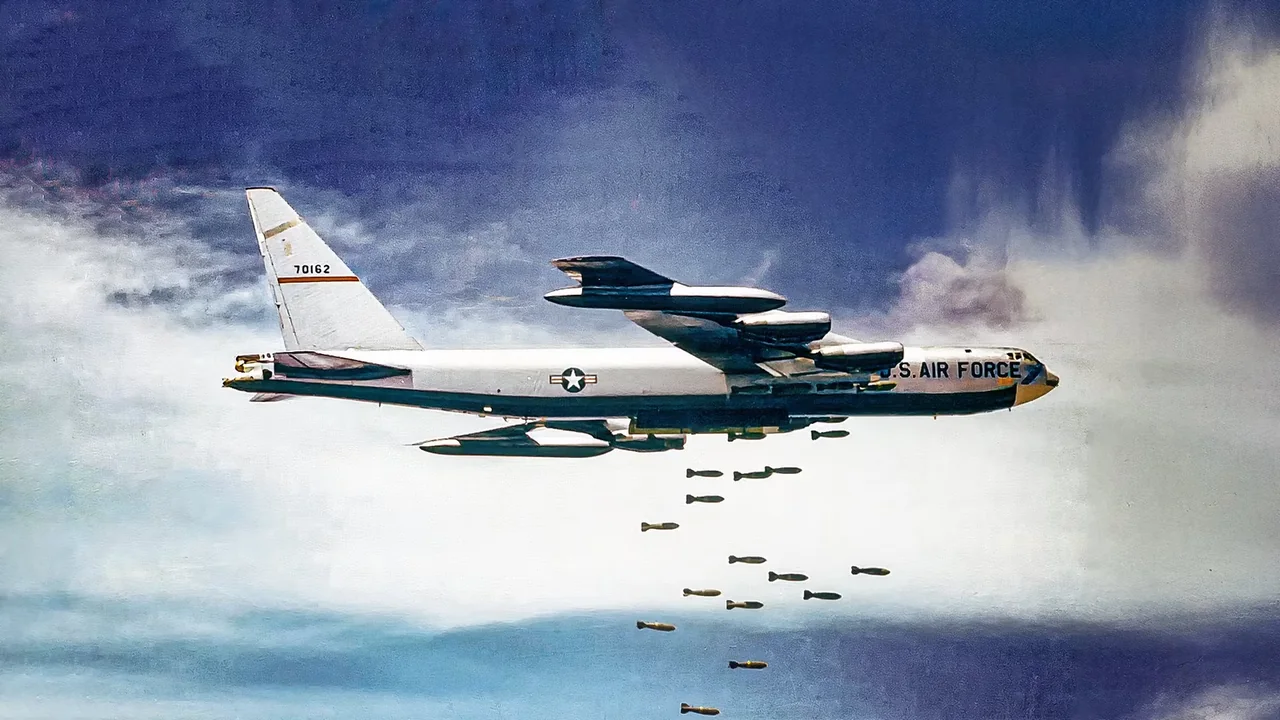
The B-52 bomber has been in service for over six decades, with the first operational aircraft delivered in 1955. Since then, it has undergone numerous modifications and upgrades to remain effective in modern warfare.
Despite being built before many of its pilots were born, the B-52 remains a vital part of the US Air Force's arsenal, with the B-52H still flying today after over 60 years of service.
The aging fleet is facing significant challenges, including the need for upgrade and modernization efforts to keep pace with emerging threats and technologies.

One key factor contributing to the B-52's longevity has been its ability to operate at high altitudes, which reduces drag and turbulence forces on the aircraft.
This design feature allows the B-52 to maintain a stable and efficient flight profile, even at speeds exceeding Mach 0.95.
In contrast, low-altitude missions expose aircraft to intense wind gusts, terrain-induced turbulence, and rapid load changes that can induce fatigue in the wings and fuselage structures.

The US Air Force is pursuing multiple upgrade programs aimed at extending the life of the B-52 fleet into the 2050s and possibly beyond.
These efforts will focus on integrating advanced avionics, sensors, and communication systems to enhance the aircraft's effectiveness and survivability.
As the B-52 continues to adapt to changing operational environments, its legacy as a reliable and effective war machine is assured.

The B-52's ability to adapt to changing technology and tactics is a testament to its enduring legacy.