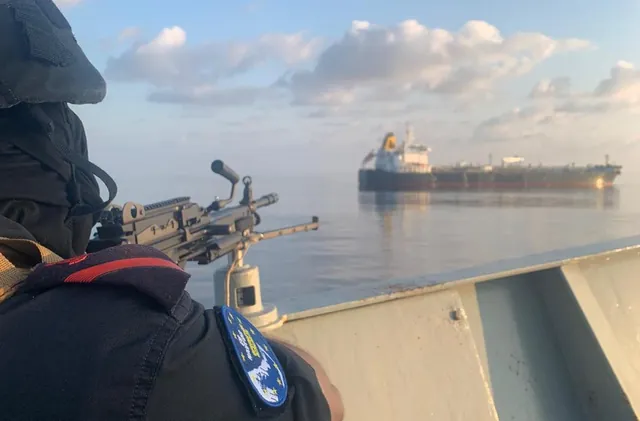


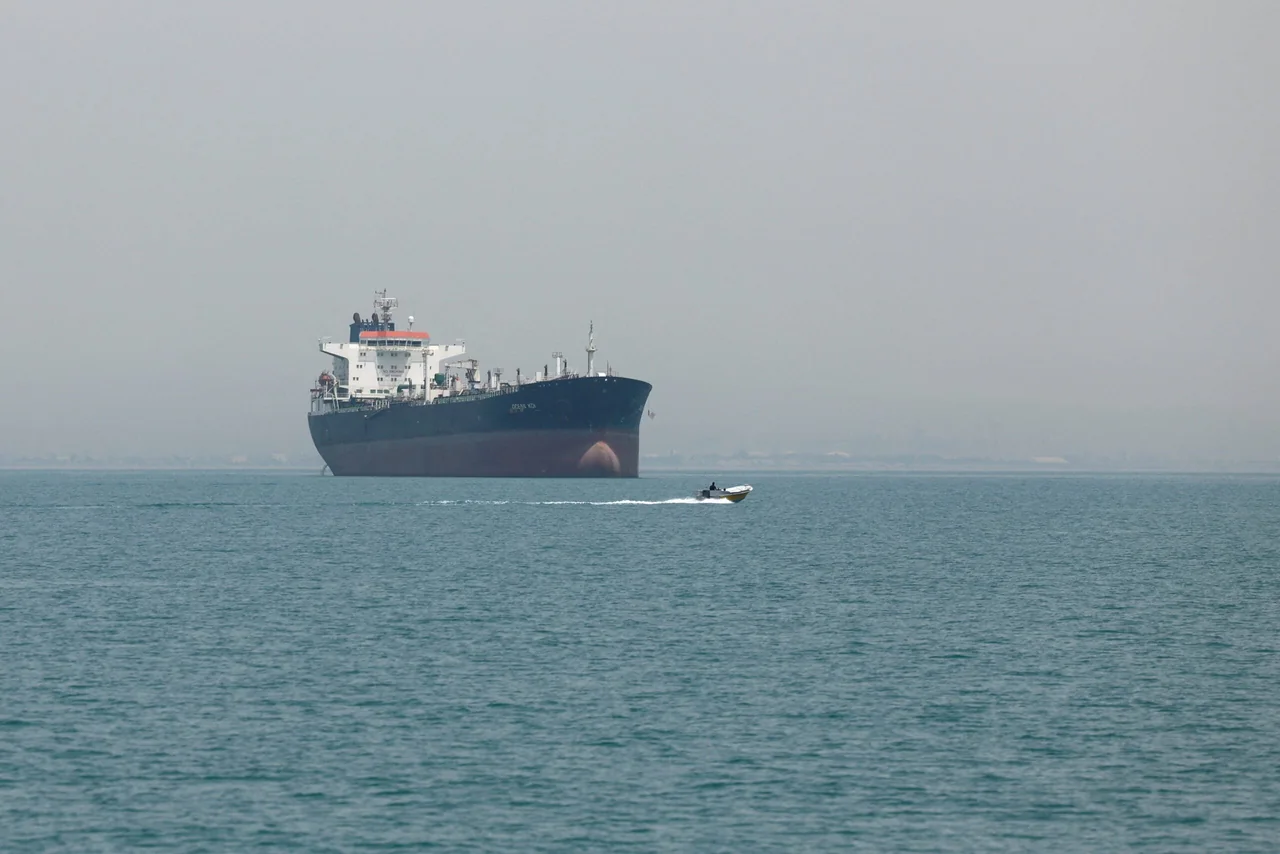
Oman's Maritime Security Centre issues warning after floating object spotted in Omani territorial waters near Strait of Hormuz. The warning has sparked renewed concerns about the risks posed by mine threats to shipping in the region.
The incident highlights the ongoing challenges faced by maritime authorities in ensuring the safety of vessels navigating through the Strait, which is a critical waterway for global trade and commerce. The fact that no confirmation has been given on whether the object is indeed a mine adds to the uncertainty and raises questions about the effectiveness of current measures to mitigate these risks.
The International Maritime Organization (IMO) has emphasized the importance of maintaining safe navigation practices in the region, particularly when it comes to avoiding suspicious objects and reporting them promptly. However, the lack of clear guidance on how to respond to such incidents has been criticized by some as inadequate.
Shipping industry groups have long warned about the risks posed by floating mines in the Strait, citing concerns over navigational safety, cargo security, and potential damage to vessels. The latest warning from Oman's Maritime Security Centre is a sobering reminder of these ongoing threats.
The U.S. Department of War has acknowledged the mine threat as a major challenge to restoring normal commercial traffic through Hormuz, with Secretary Pete Hegseth confirming that mine-countermeasure operations are underway. However, the pace of clearance efforts remains uncertain, leaving vessel owners and operators anxious about the risks involved.
President Donald Trump's repeated emphasis on mine threats has underscored the gravity of this issue, with the President ordering military action to destroy any vessels observed laying mines in the waterway. While this move is seen as a step in the right direction, it highlights the need for sustained efforts to address these concerns.
The BIMCO Chief Safety & Security Officer, Jakob Larsen, has consistently argued that mine clearance – not just a ceasefire – is essential to restoring confidence in shipping through Hormuz. His warnings underscore the importance of credible proof of safety before resuming normal traffic levels.
Despite periodic political efforts to ease tensions and restore trade flows, the mine threat remains a persistent obstacle to confidence in the Strait. The latest warning serves as a stark reminder that more needs to be done to address these concerns and ensure the safe passage of vessels through this critical waterway.
The international community must come together to address the mine threat in the Strait of Hormuz, recognizing its far-reaching implications for global trade, commerce, and security. Only through sustained cooperation and collective action can we hope to restore confidence in shipping through this vital waterway.
The mine threat is a persistent concern for the maritime industry, requiring credible proof of safety before resuming normal traffic levels.