
Xpeng's new GX SUV was officially launched on May 20, with large-scale deliveries set to begin only in June. The Chinese electric vehicle maker delivered 32,158 cars in May, representing a 4.08% drop from a year earlier and marking its fifth consecutive month of year-on-year delivery declines.
However, this represented a 3.70% increase sequentially from April. In the first five months of this year, Xpeng delivered a total of 125,851 vehicles, representing a 22.59% year-on-year decrease.
Xpeng's cumulative historical deliveries reached 1,145,675 units as of the end of May, according to data compiled by CnEVPost.
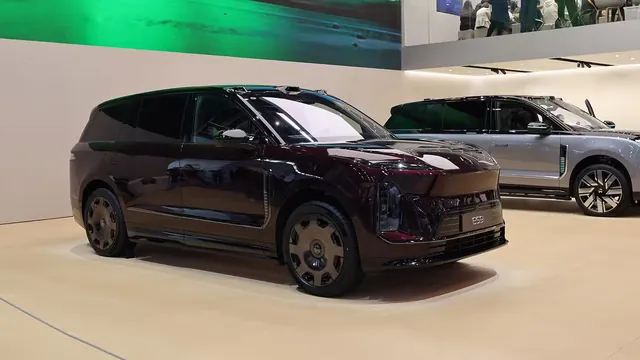
The company officially launched the GX SUV on May 20. Because the launch date was close to the end of the month, the new model's contribution to May deliveries remains very limited at present.
Despite the decline in sales, Xpeng has made significant progress in the autonomous driving sector. China's first factory-installed, mass-produced L4 robotaxi developed in-house by an automaker officially rolled off the production line in Guangzhou in May.
The robotaxi is built on the GX as a prototype and is equipped with four Turing AI driving chips developed in-house by Xpeng.
Its effective computing power reaches a globally leading 3,000 TOPS, with demonstration operations scheduled to launch in the third quarter.
Xpeng's strong overseas performance has helped improve its financial health. With the P7+ initiating overseas deliveries in April, its monthly overseas sales surpassed 6,000 units for the first time that month.
The company expects revenue contribution from the international business to exceed 20% starting from the second quarter.
The decline in Xpeng's sales may be a temporary setback for the company, but its focus on autonomous driving and international expansion could help it recover.