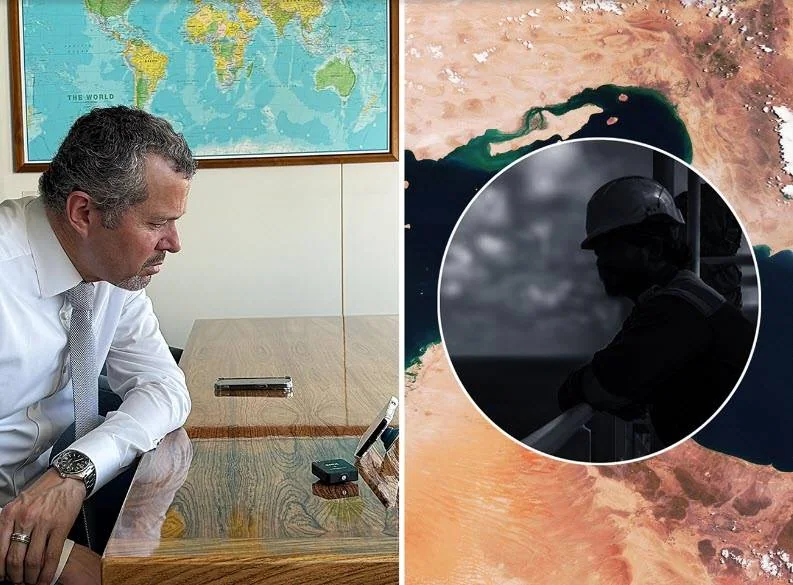
The International Maritime Organization (IMO) has warned that it is too risky to move thousands of sailors stuck in the Gulf, despite a ceasefire between the United States and Iran. The warning comes ahead of the start of the Posidonia shipping industry week in Athens.
The estimated 20,000 seafarers on board vessels in the Gulf face uncertainty about their safety as they wait for restrictions to be lifted. Eleven seafarers have been killed since the U.S.-Israeli war with Iran began on February 28.
The IMO has been trying to arrange a safe maritime corridor to enable vessels to exit, but progress is slow due to the lack of guarantees on safety. Discussions with parties involved in the conflict have taken place in Oman in recent weeks.
Ship operators say that after three months stranded, crews need a negotiated, safe way out. The seafarers are missing out on essential life events, including births and deaths.
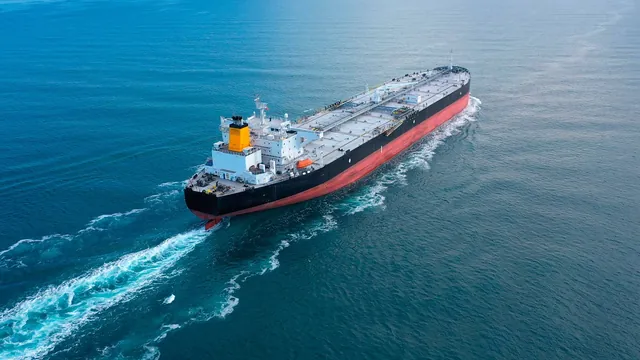
The Strait of Hormuz, which normally carries 20% of the world's daily supply of crude oil and liquefied natural gas, has seen traffic slow to a handful of tankers. This has had a significant impact on global energy supplies.
The IMO's cautious approach highlights the complexity of resolving the crisis. The organization is seeking a final agreement or complete ceasefire between parties involved before taking action.
The situation remains precarious, with frequent announcements about the status of the Strait of Hormuz. Until there are more guarantees on safety, it will be too risky to move the seafarers.
The IMO's warning underscores the need for a coordinated effort to resolve the crisis and restore maritime security in the region.
The IMO's cautious approach highlights the complexity of resolving the crisis.