


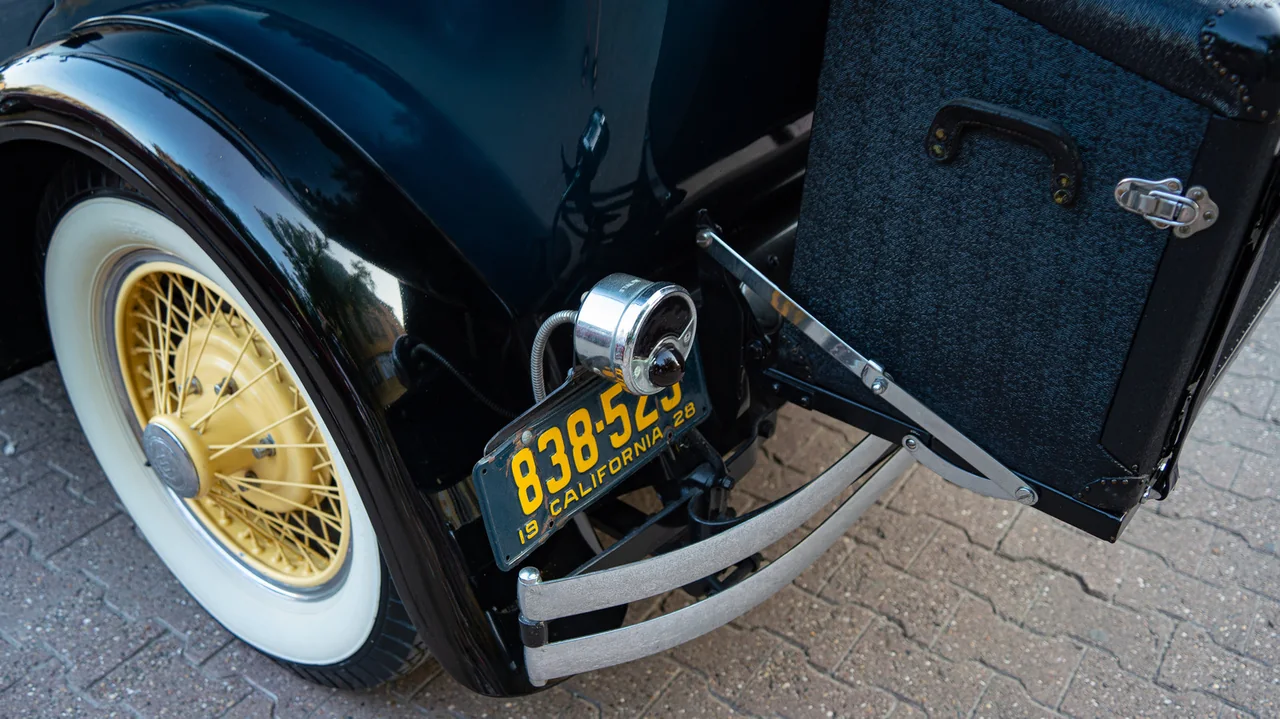
The history of license plates is a fascinating tale of creativity and innovation, reflecting the unique cultural and technological context of each era.
From their early beginnings as leather pads with porcelain numerals to the modern standardized design, license plates have undergone significant changes over time.
One of the most striking aspects of vintage license plates is the incredible diversity in design, shape, and material used during the 1920s-1950s.
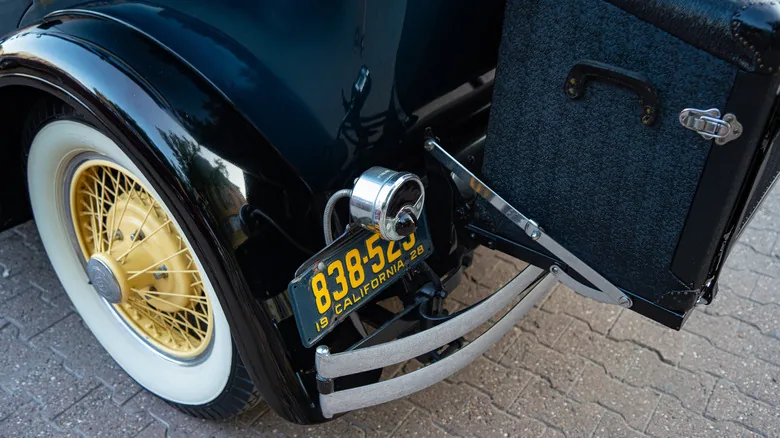
This period saw the rise of unique shapes, such as Idaho's potato-shaped plate and Kansas' square border plate.
The use of alternative materials like soybean meal, plastic, wood, and sugarcane fiber during World War II added to the variety of license plates produced during this time.
However, with the onset of mass manufacturing, many states began to adopt standardized designs for their license plates.
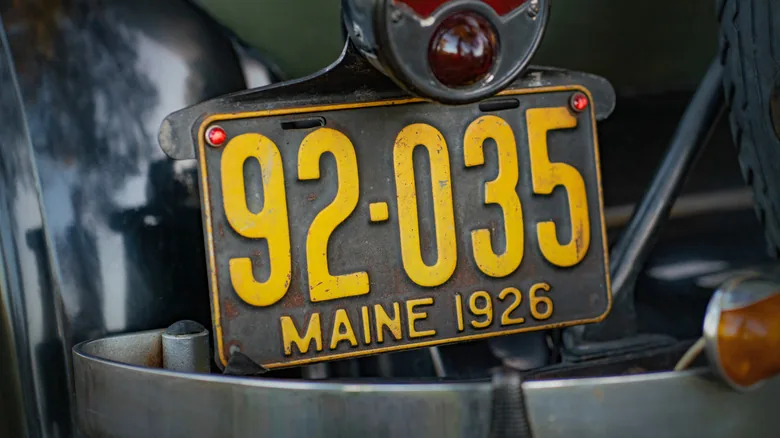
By 1957, the US had standardized license plates at a uniform size of 12x6 inches, marking a significant shift towards conformity.
This standardization has led to a more recognizable and iconic symbol across the US, making vintage license plates highly sought after by collectors.
Today, license plates continue to evolve with advancements in technology and design, but their rich history remains an important part of American cultural heritage.
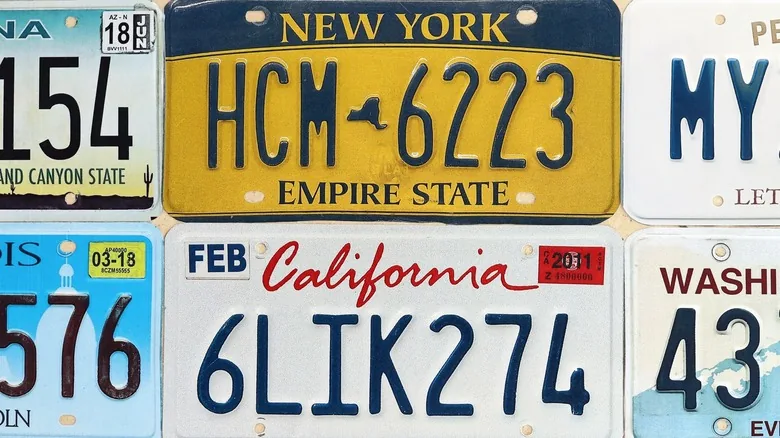
The standardization of license plates has led to a more uniform and recognizable symbol across the US.


