

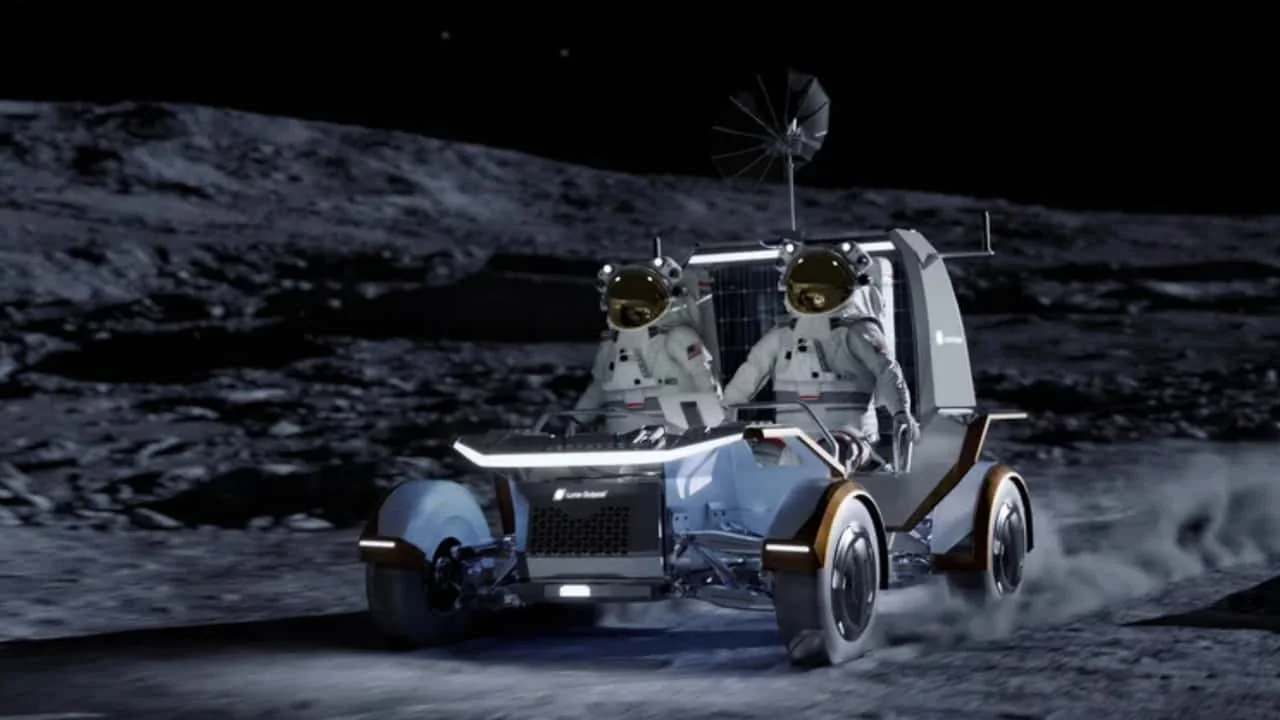
NASA’s new Moon rover concepts have sparked excitement among space enthusiasts and engineers alike. The design, which has been touted as a 'lunar survival vehicle,' bears a striking resemblance to a side-by-side motorcycle. This similarity is not coincidental, as the rover's creators drew inspiration from the versatility and practicality of these vehicles.
The side-by-side's popularity can be attributed to its ability to navigate challenging terrain with ease, making it an ideal candidate for the harsh lunar environment. By incorporating this design element into the Moon rover, NASA aims to create a vehicle that can adapt to various situations and overcome obstacles with minimal downtime.
One of the most significant advantages of this design is its potential to reduce the overall weight of the rover. By utilizing a more compact and lightweight structure, NASA can increase the payload capacity and extend the mission duration. This, in turn, will enable the agency to conduct more extensive research and exploration on the lunar surface.
Furthermore, the side-by-side's modular design allows for easy maintenance and repair. This is particularly important when working in a remote environment like the Moon, where access to spare parts and expertise may be limited. By incorporating this feature into the rover, NASA can minimize downtime and ensure that the mission stays on track.
The lunar survival vehicle concept has also sparked debate among experts about the future of space exploration. As private companies like SpaceX and Blue Origin begin to make waves in the industry, it's clear that innovative designs like this one will play a crucial role in shaping the next generation of spacecraft.
While the design is still in its conceptual stages, NASA is already making plans for future missions to the Moon. The agency aims to utilize the rover for a variety of tasks, including scientific research, exploration, and even potential resource utilization. With its unique blend of versatility and practicality, this lunar survival vehicle has the potential to revolutionize the way we explore and interact with our celestial neighbor.
As NASA continues to push the boundaries of space exploration, it's clear that innovative designs like this one will be crucial for success. By embracing cutting-edge technologies and incorporating lessons learned from previous missions, the agency can create a future where humans not only survive but thrive on the lunar surface.
The lunar survival vehicle concept is just the latest example of how NASA is using design thinking to drive innovation in space exploration. As the agency looks to the stars, it's clear that the next generation of spacecraft will be shaped by a combination of creativity, expertise, and a commitment to pushing the boundaries of what's possible.
As space agencies continue to push the boundaries of exploration, innovative designs like this one are crucial for success.