

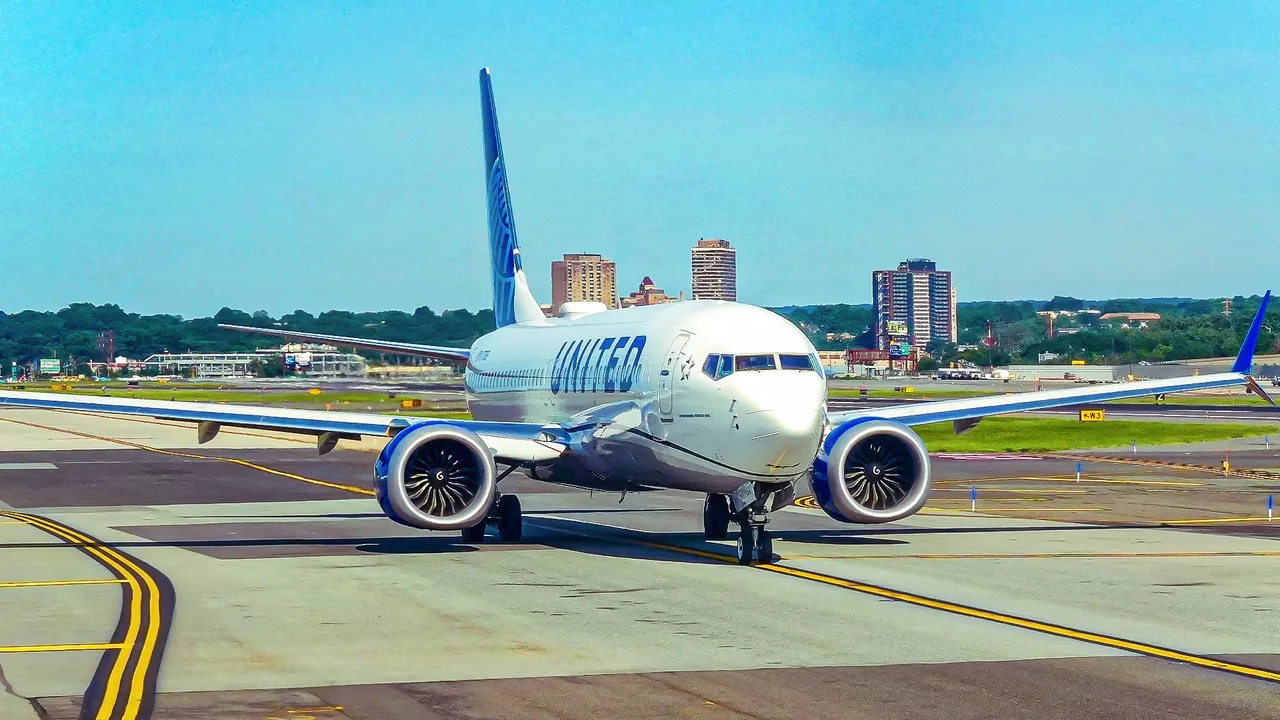
Airlines around the world are navigating complex network strategies and intense pilot recruitment demands, so the compensation attached to flying advanced narrowbody airframes has become a focal point for flight crews, industry analysts, and prospective aviators alike. The Boeing 737 MAX is one of those aircraft types that more and more pilots are getting to fly, with many US commercial carriers opting for the type.
The current wage environment reflects a historic era of labor leverage, catalyzed by multi-billion-dollar collective bargaining agreements ratified across legacy and major airlines over the last three years. These agreements have secured unprecedented compounding wage increases and enhanced retirement security for narrowbody flight crews.
Salaries for First Officers across major 737 MAX operators in the US command between $105,000 and $300,000 annually, though exact salaries vary. Captains see baseline earnings starting at $262,000, with top-tier line-holders scaling well past $450,000.

These high baseline guarantees reshape the financial expectations of mainline flight crews entirely, with hourly rates driving total compensation rather than fixed annual salaries.
The structural alignment of modern collective bargaining agreements has compressed the historical gap between narrowbody and widebody base pay, making the lines blur into one almost standard pay rate for all airline pilots, regardless of flight length.
Ten years ago, narrowbody pilots rarely crossed the $250,000 threshold without working exhaustive schedules that pushed regulatory flight time limits. The evolution has turned the 737 MAX flight deck into a highly lucrative destination career in its own right, rather than a mere stepping stone to larger widebody twin-jets.

The shift towards hourly billing has led to a more equitable pay structure among airline pilots, with those who work longer hours and fly more frequently reaping the benefits.
As the aviation industry continues to evolve, it will be interesting to see how this trend impacts pilot recruitment and retention, particularly in the face of increasing competition from other airlines and emerging technologies.
The shift towards hourly billing has led to a more equitable pay structure among airline pilots.