
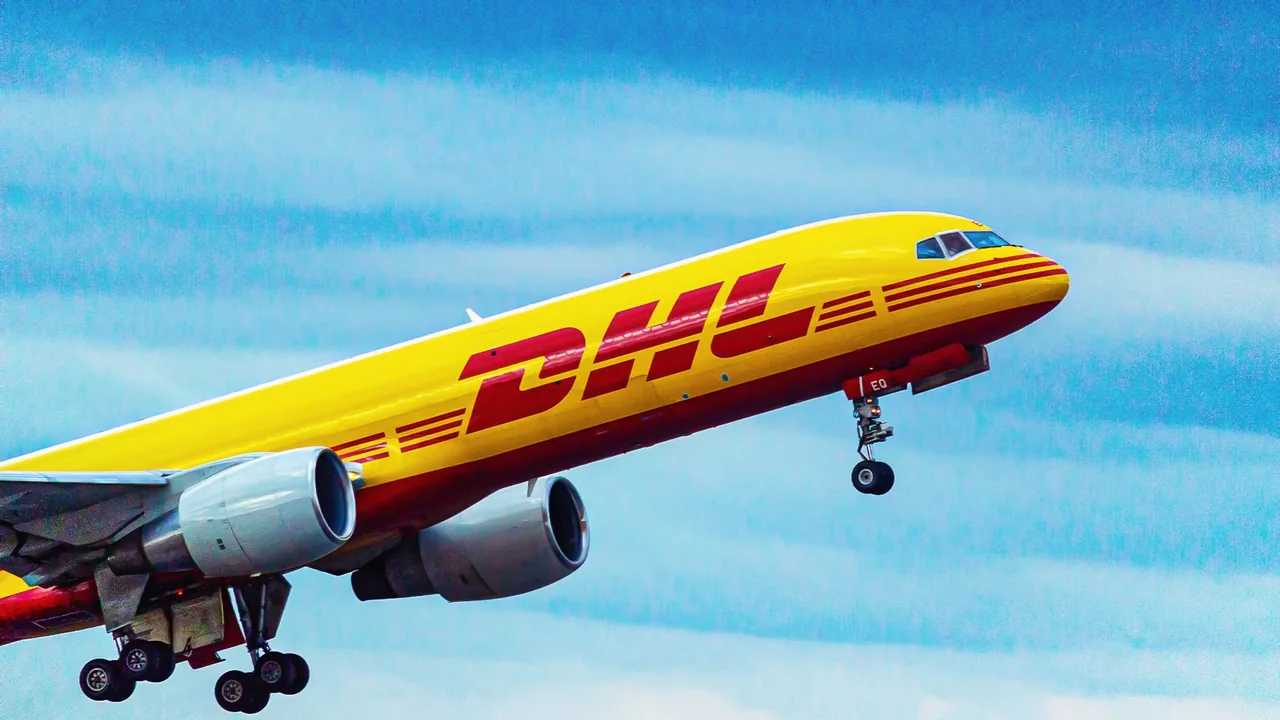
The modern aviation industry's life cycle of commercial aircraft has shifted drastically over time, with single-aisle passenger airframes facing aggressive retirement timelines.
This shift has led to the emergence of Boeing 757-200 as a definitive platform for massive industrial undertakings in logistics and cargo operations.
The structural demands of overnight express cargo delivery require airframes with an exceptional combination of high internal volume, robust payload capacity, and immense propulsive force.

Transforming retired passenger workhorses into dedicated cargo platforms allows the aviation industry to capitalize on a massive asset arbitrage opportunity, fueling an e-commerce logistics engine that operates long after the passenger traveling public has gone to sleep.
The operational performance characteristics of the Boeing 757-200 are legendary within the aerospace community, earning the airframe a reputation as one of the most capable single-aisle aircraft ever built.
Powered by either the heavy-duty Rolls-Royce RB211 or the Pratt & Whitney PW2000 series engines, the aircraft was originally designed to lift high-passenger payloads out of short, hot, and high-altitude airfields with absolute ease.

Freight is fundamentally heavier and denser than a cabin filled with passengers and luggage, placing immense stress on an aircraft's climb profile.
A fully loaded Boeing 757 freighter can utilize its raw engine thrust to perform steep, high-velocity departures, climbing directly to its optimal cruising altitude without the step-climb delays that plague less powerful aircraft.
The aviation industry is capitalizing on a massive asset arbitrage opportunity by converting retired passenger jets into dedicated cargo platforms.