
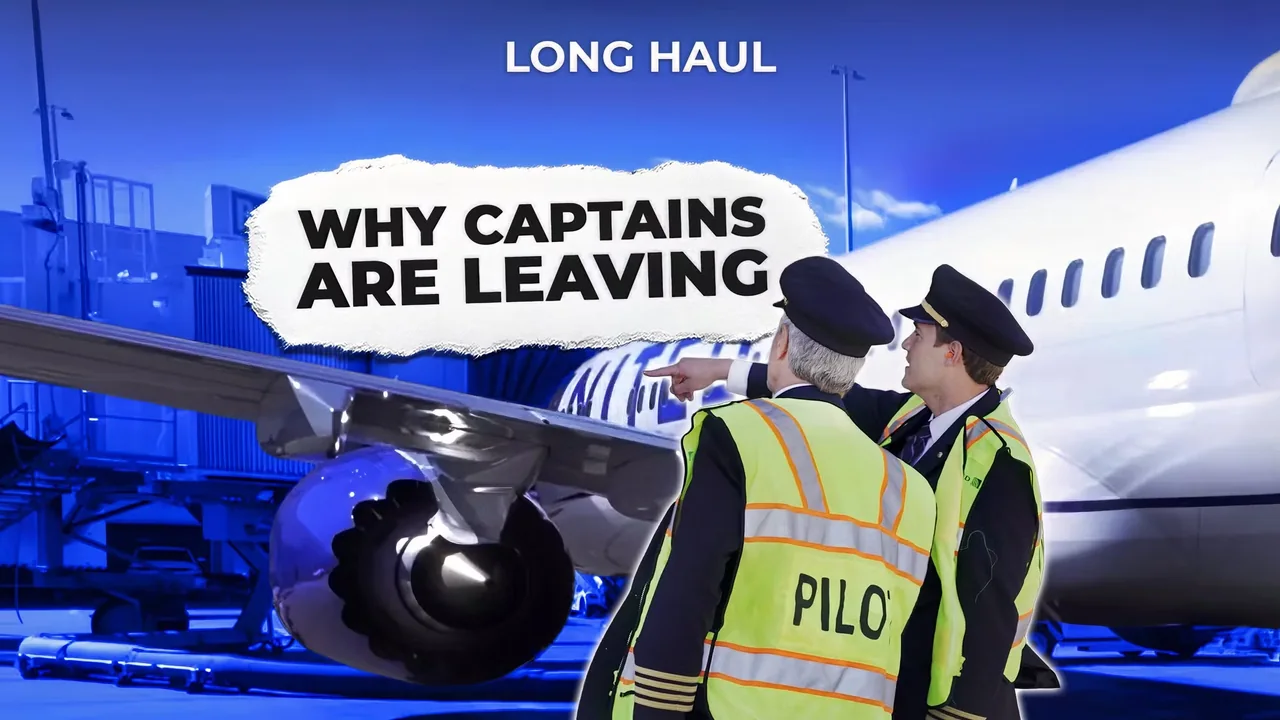
The aviation industry is facing a crisis that threatens the very fabric of its operations. Thousands of veteran captains are reaching the mandatory retirement age at the same time, creating a demographic cliff that has been building for decades. This sudden influx of retirements has left airlines scrambling to find enough experienced leaders in the cockpit.
Airlines had anticipated this issue, but the pandemic accelerated the problem. During the collapse in travel demand, carriers encouraged senior pilots to retire early, hoping to reduce costs and streamline operations. However, these efforts have inadvertently created a permanent shortage of seasoned aviators, leaving airlines without the necessary expertise to navigate the complexities of modern air travel.
The pilot shortage is becoming a major global issue, with far-reaching consequences for airline operations. With thousands of experienced captains retiring simultaneously, airlines are struggling to maintain adequate staffing levels, leading to reduced flight schedules and increased workload on remaining crew members.
As these veteran aviators leave the workforce, they take with them decades of accumulated knowledge and experience. Replacing this expertise is proving to be far more difficult than simply hiring more pilots, as new entrants lack the maturity and understanding of complex systems that only years of service can provide.
The impact on airline operations is already being felt, with some carriers reporting significant reductions in flight schedules and increased delays. This trend is likely to continue unless airlines can develop more effective strategies for retaining experienced pilots and addressing the root causes of the pilot shortage.
s are sounding the alarm about the need for a more sustainable approach to pilot training and retention. With the global aviation industry facing unprecedented challenges, it is imperative that airlines prioritize the development of robust training programs and competitive compensation packages to attract and retain top talent.
The aging aviator issue highlights the need for greater investment in pilot training and development programs. By focusing on emerging technologies such as automation and artificial intelligence, airlines can better prepare their pilots for the changing demands of modern air travel.
As the aviation industry continues to evolve, it is essential that airlines prioritize the development of skilled and experienced pilots. The consequences of failing to do so will be felt across the globe, with far-reaching implications for safety, efficiency, and customer satisfaction.
The pilot shortage is a pressing concern that requires immediate attention from airlines and industry regulators. By working together, we can develop effective solutions to this complex problem and ensure the long-term sustainability of the aviation industry.
Ultimately, the aging aviator issue serves as a stark reminder of the importance of investing in our people and our infrastructure. As we look to the future, it is clear that the aviation industry will require innovative solutions to address the challenges posed by an aging workforce.
The aging aviator issue highlights the need for a more sustainable approach to pilot training and retention.