

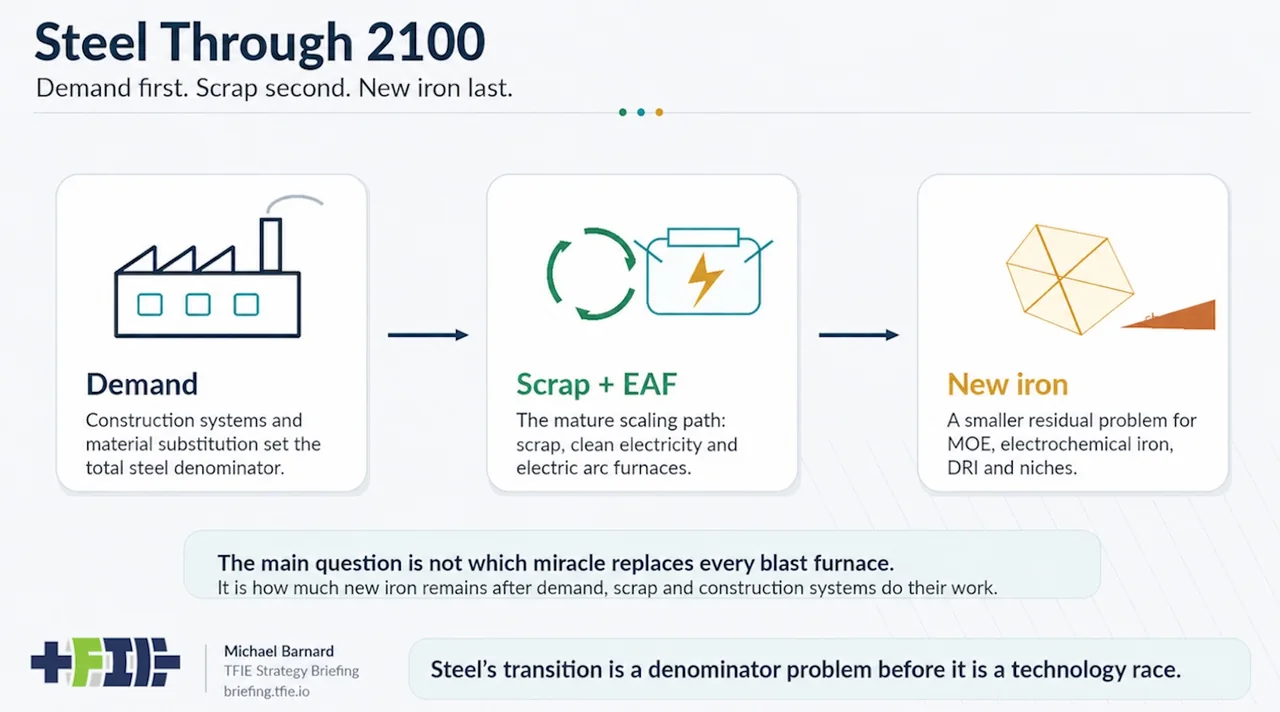
The steel industry has been framed as a hydrogen problem due to its potential role in reducing emissions. However, this narrative oversimplifies the complex issues surrounding steel production. The transition of the steel sector does not start with hydrogen, but rather with understanding how much steel is needed, how much old steel comes back as scrap, and how quickly electric arc furnaces expand.
The world produces approximately 1.9 billion tons of crude steel annually, with a significant portion still produced using blast furnaces and basic oxygen furnaces that rely on iron ore, coal, limestone, and scrap. Steel is an integral part of various industries, including construction, transportation, and manufacturing, making it a critical component of the global economy.
The scale of the problem is not in doubt, but the approach to addressing it has been misguided. Treating hydrogen as the center of the steel transition overlooks the complexities of material-flow problems and neglects other crucial factors such as demand, scrap, and electric arc furnaces.
Electric arc furnaces have the potential to significantly reduce emissions by utilizing clean electricity and reducing the reliance on fossil fuels. However, their expansion is hindered by infrastructure limitations and the need for significant investments in new facilities.
The construction sector plays a vital role in shaping the steel industry's future. China's massive construction surge from 2000 to 2020 has set a precedent for other regions, but it is unlikely that they will replicate the exact mix of steel intensity, cement intensity, urbanization speed, and industrial policy that drove China's growth.
India, Southeast Asia, Africa, and other emerging markets are expected to drive global demand for steel, but their construction patterns and material demands may differ significantly from those in China. This diversity poses a challenge to the industry's ability to adapt and reduce its environmental impact.
The steel transition requires a holistic approach that addresses not only technological advancements but also material-flow problems and regional strategies. A nuanced understanding of these factors is essential for developing effective solutions that balance economic growth with environmental sustainability.
Previous studies have highlighted the potential for electric arc furnaces, scrap, clean electricity, and declining blast furnace use to reduce steel's carbon footprint. However, these projections may need to be revised in light of China's construction surge and its implications for global demand.
As the world continues to grapple with the challenges of climate change and sustainability, the steel industry must adopt a more comprehensive approach to addressing its environmental impact. By prioritizing demand, scrap, and electric arc furnaces, the sector can work towards a more sustainable future that balances economic growth with environmental responsibility.
The steel transition requires a holistic approach to address material-flow problems.