


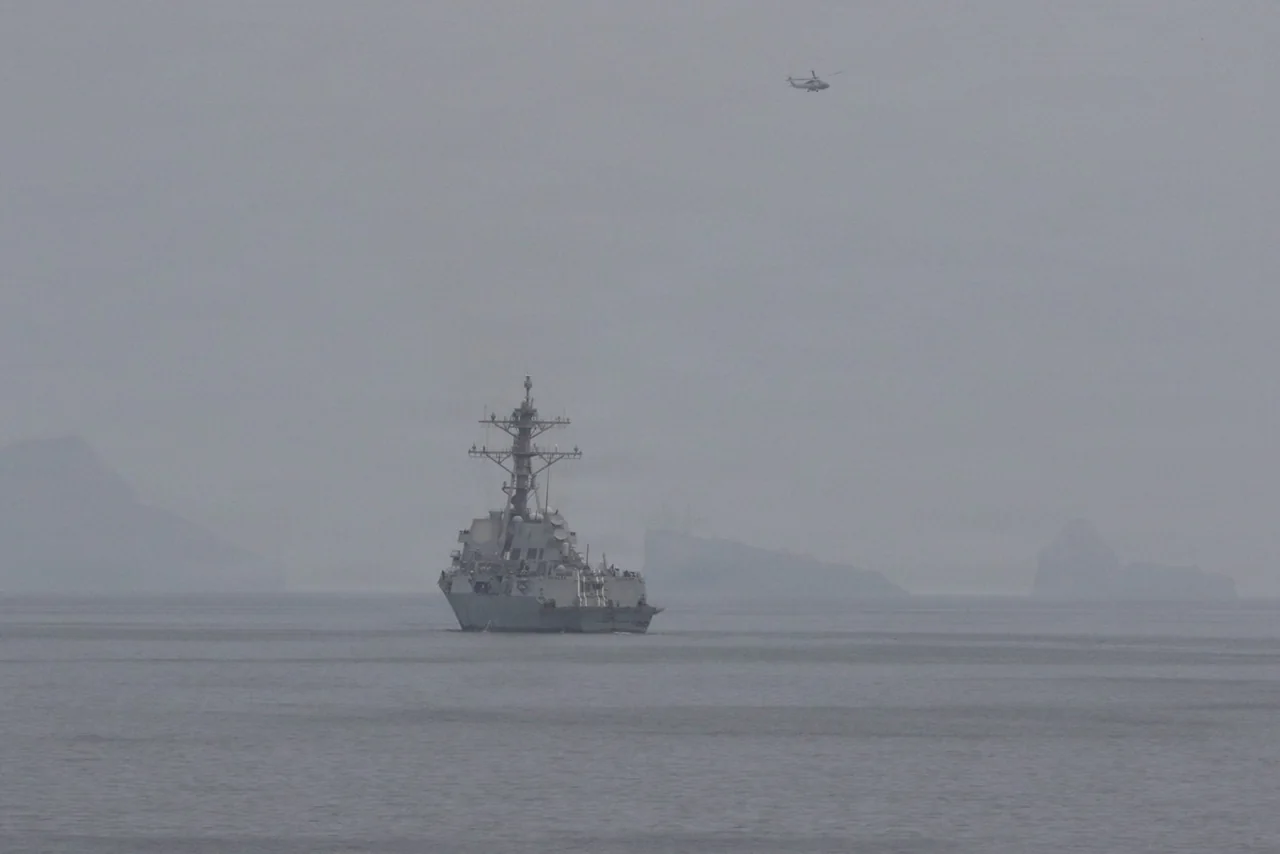
The US military has conducted an unofficial count of commercial vessel transits in and out of the Strait of Hormuz, revealing nearly 1,000 passages over the last two months.
This figure is significantly higher than private sector estimates based on ship transponders, which have been used to track vessel movements since April 8.
The bulk of these vessels are large cargo and container ships, while smaller craft such as traditional dhows are excluded from the count.
Despite this increase, daily oil shipments through the strait have decreased significantly since the US-Iran war began in late February.
The closure of the Strait of Hormuz has had a devastating impact on global energy prices, with oil prices soaring to $97 a barrel compared to pre-war levels.
This is largely due to the loss of oil supplies from the Persian Gulf, which was effectively shut down by President Trump's decision to launch a war against Iran in late February.
The US military has been working to restore commercial traffic through the strait, with efforts including the use of sea mine-free routes closer to the Omani coast.
These measures aim to protect vessels from Iranian attacks and facilitate the safe passage of oil shipments.
However, the high number of ship transits suggests a complex and challenging situation for the US military and global energy markets.
The high number of ship transits suggests a significant increase in commercial traffic, potentially due to the rise of 'dark transit' ships with transponders turned off.