

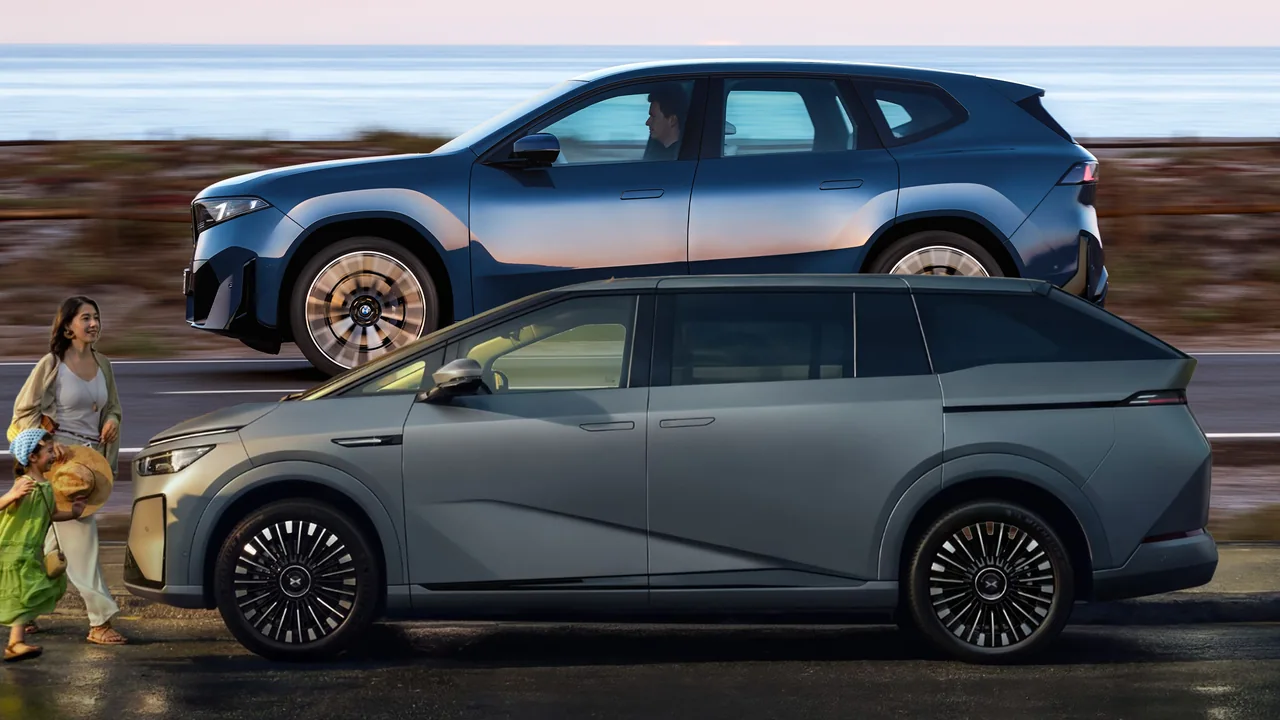
In a recent electric vehicle (EV) range test conducted by the Norwegian Automobile Federation (NAF), 24 models were put through their paces to see which ones live up to their official WLTP ratings. The test, run under mild summer weather conditions, revealed some surprising results.
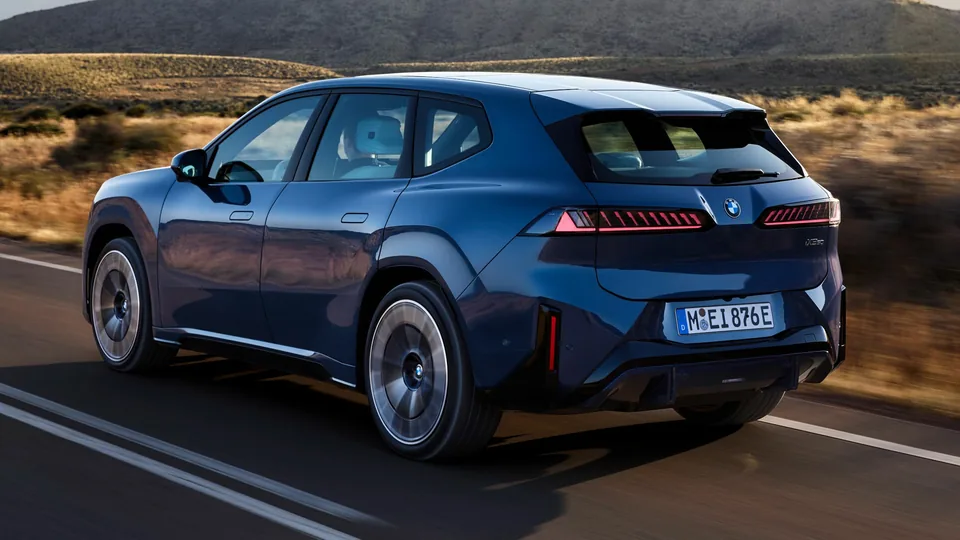
The BMW iX3 50 xDrive took the top spot in the range test, covering an impressive 781 km on a single charge. This is not only close to its claimed range but also 1.5 percent beyond its official WLTP figure and 11.7 percent more than its advertised EPA range.
Interestingly, the BMW iX3's performance was even better than its predecessor, which still holds the all-time summer record for positive deviation, beating its rating by 23.5 percent with 556 km of range.
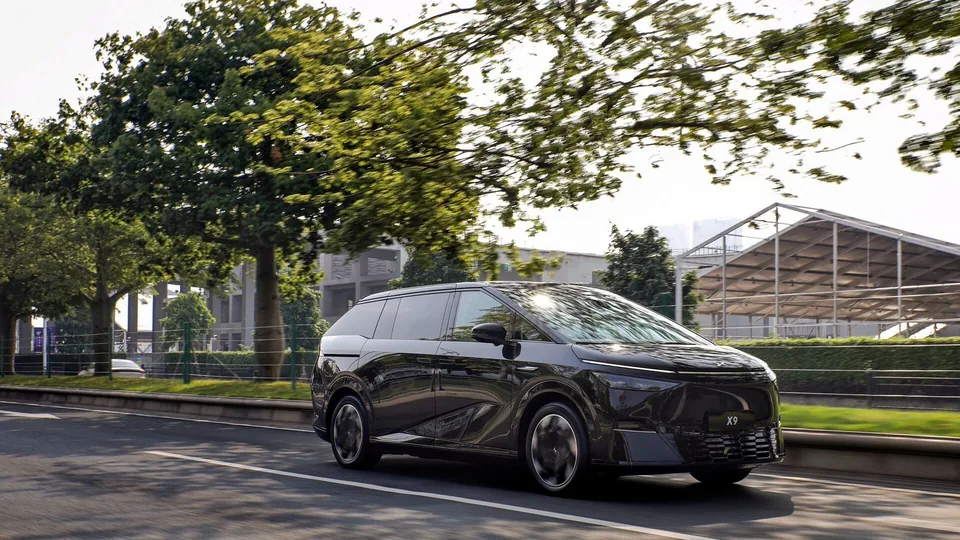
The Lucid Air remains the ultimate record holder for the longest range, achieving 832 km in the summer of 2025. However, this year's test saw a new contender, the XPeng X9, posting an impressive real-world range of 646 km, beating its WLTP rating by 11.4 percent.
This kind of overachievement is not unique to the XPeng X9, as the G9 SUV topped its advertised range by 13 percent in a previous test. The Chinese brand's ability to consistently exceed its own promises highlights their commitment to improving EV performance.
However, not all models performed as well as expected. The MG IM6 sedan, for example, managed just 446 km on a single charge, falling 11.7 percent short of its WLTP figure.
The results of this test demonstrate the importance of real-world testing in evaluating EV range claims. While spec sheets may promise impressive ranges, it's only by putting these vehicles through their paces that we can truly understand their capabilities.
The NAF's 'El Prix' range test is a valuable tool for consumers and manufacturers alike. By providing a realistic assessment of EV performance, it helps to build trust in the industry and encourages companies to strive for even better results.
As the EV market continues to evolve, it's essential that we prioritize real-world testing and evaluation. Only by doing so can we ensure that these vehicles meet the needs of drivers and provide the promised benefits of electric mobility.
The results highlight the importance of real-world testing in evaluating EV range claims.