


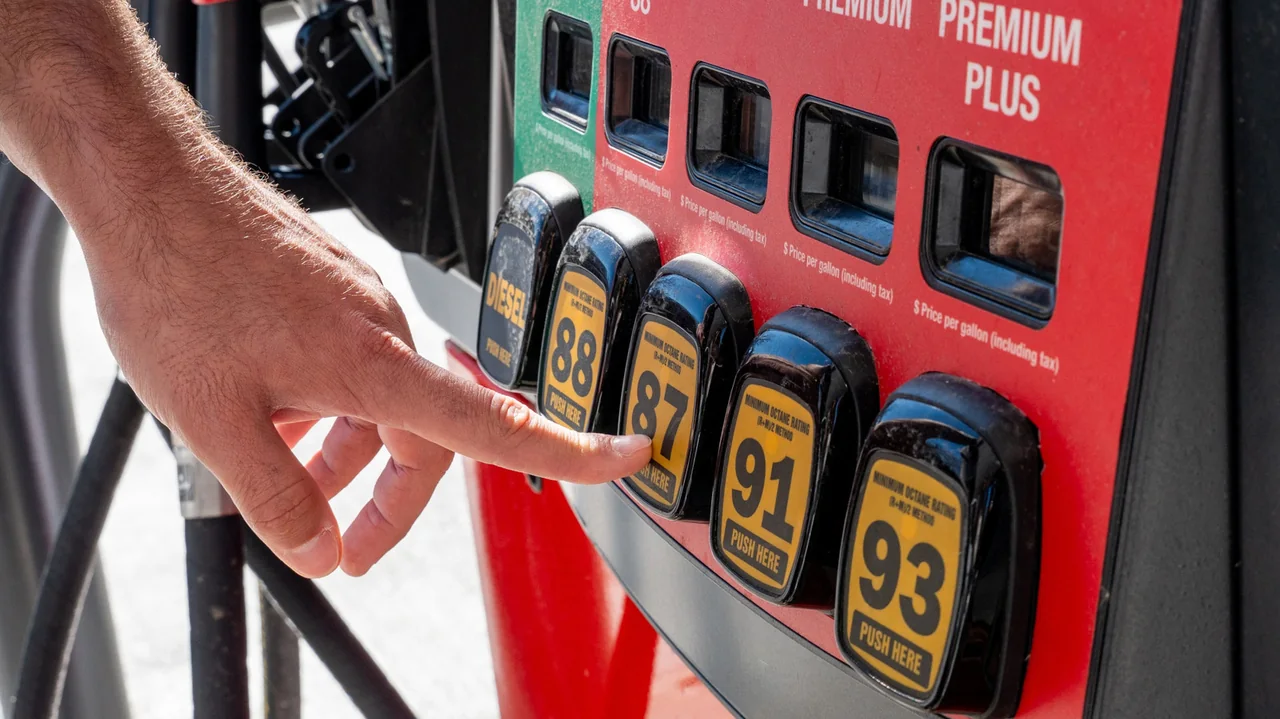
In the world of automotive fuel, a common misconception exists among car owners: that European gasoline is always higher octane than its American counterpart. This notion has led to some interesting discussions and debates among enthusiasts.
The idea that Europeans run higher-octane gas while Americans are stuck with lower-octane swill may seem appealing to those who have to use premium fuel in their vehicles. However, this perception is largely based on a misunderstanding of how octane ratings are measured and interpreted.
In reality, the only difference between European 95 octane and American 91 octane gas lies in their measurement methods. The European RON (research octane number) and MON (motor octane number) measurements are used to determine the actual octane level of the fuel.
These measurements are taken under different conditions: RON is measured at idle speed with low air temperature, while MON is determined under more stressful conditions: higher engine speed and higher intake air temperature. This distinction highlights the complexity of measuring octane levels.
In contrast, the PON (pump octane number) or AKI (anti-knock index) measurement used in the USA is simply an average between RON and MON. While this method may seem more straightforward, it can lead to misconceptions about the quality of gasoline.
The use of different measurement methods can lead to a false narrative about the superiority of European gasoline. In reality, there is no inherent difference in actual octane levels between European 95 and American 91 octane gas.
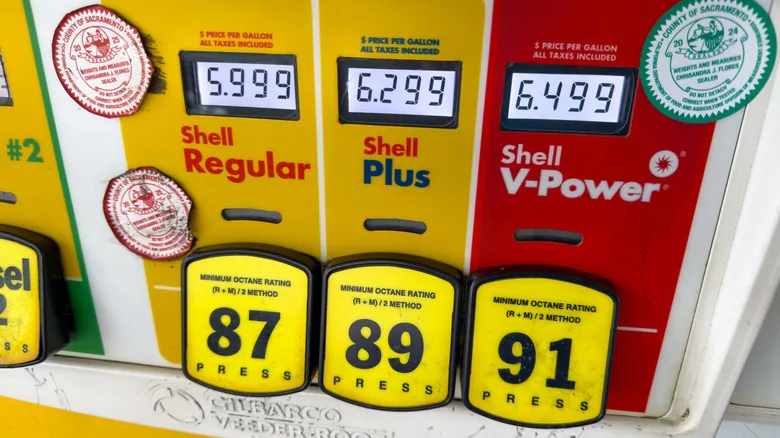
This disparity highlights the importance of understanding the nuances of fuel standards and measurements. By recognizing the differences between RON, MON, and PON/AKI, we can better appreciate the complexities of the automotive fuel market.
The next time someone claims that European gasoline is always higher octane than American gas, it's essential to challenge their assertion with a dose of scientific accuracy. By doing so, we can promote a more informed discussion about fuel quality and standards.
Ultimately, the distinction between European 95 octane and American 91 octane gas may seem like a minor detail, but it underscores the need for clarity and precision in our understanding of automotive fuel measurements.
As we navigate the world of high-performance vehicles and advanced engine technologies, it's more crucial than ever to separate fact from fiction when it comes to fuel standards and measurements. By embracing a deeper understanding of these concepts, we can make more informed decisions about our vehicles and the fuels that power them.
paragraphs
The use of different measurement methods can lead to misconceptions about the quality of gasoline.

