


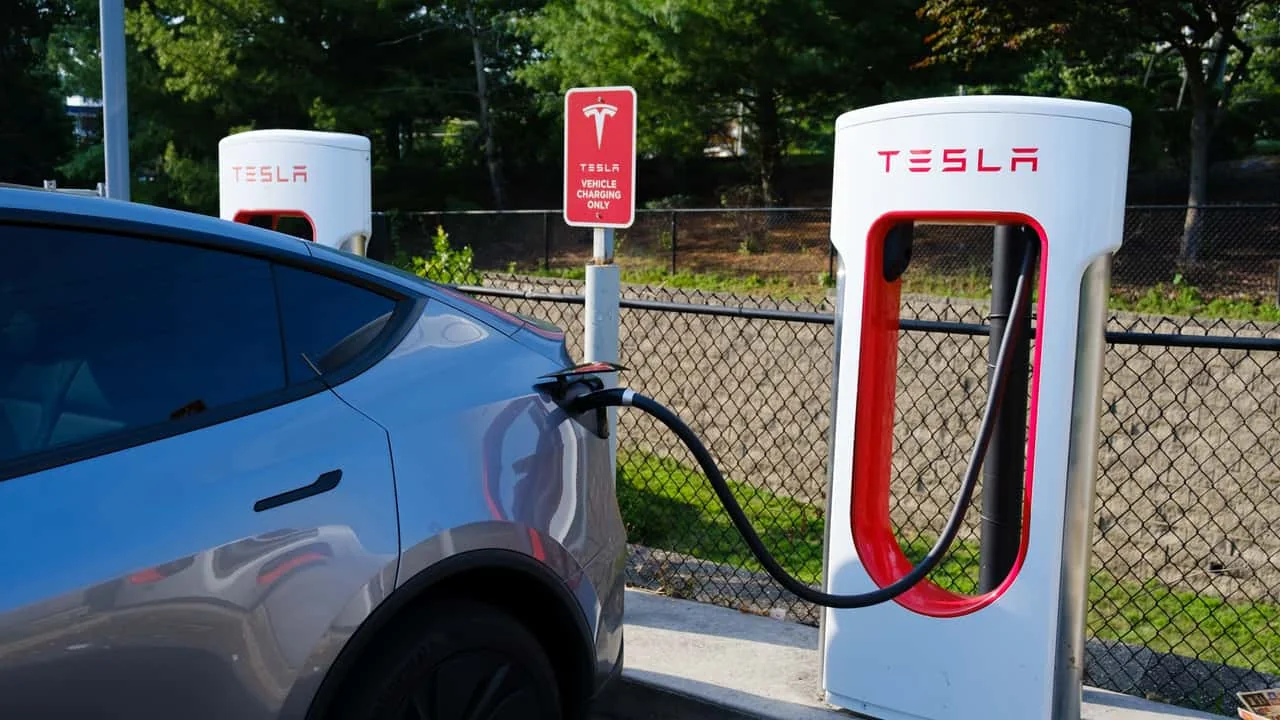
A recent test has provided valuable insights into the durability of Tesla's Model Y battery, which was subjected to an intensive charging regimen. The vehicle in question spent six months being predominantly fast-charged, with its battery enduring over 16,000 miles of driving. This extensive testing serves as a crucial benchmark for assessing the long-term health and performance of Tesla's electric powertrain.
The test's findings suggest that even under such demanding conditions, the Model Y's battery remains remarkably healthy. The vehicle's battery management system (BMS) played a significant role in maintaining its overall well-being, ensuring that the battery was not subjected to excessive stress or damage. This demonstrates the importance of advanced BMS technology in preserving the integrity and longevity of electric vehicle batteries.
The results of this test are particularly noteworthy given the growing trend towards fast-charging infrastructure on highways across North America. As more drivers opt for high-speed charging, it is essential to understand the potential impact on battery health and performance. The Model Y's battery has withstood the rigors of frequent fast-charging, a testament to Tesla's commitment to developing robust and reliable electric powertrains.
Furthermore, this test underscores the significance of proper battery maintenance and management practices. Drivers who frequently engage in fast-charging can take steps to mitigate potential damage by following recommended charging guidelines and monitoring their vehicle's battery health regularly. By doing so, they can help extend the lifespan of their Tesla Model Y's battery and ensure optimal performance over time.
The test also highlights the need for further research into the effects of high-speed charging on electric vehicle batteries. As the demand for fast-charging infrastructure continues to grow, it is essential to develop a deeper understanding of the potential risks and consequences associated with such practices. By investing in ongoing research and development, manufacturers can create more resilient and sustainable electric powertrains that meet the evolving needs of drivers.
In conclusion, the results of this test demonstrate the remarkable resilience of Tesla's Model Y battery under intense charging conditions. As the automotive industry continues to shift towards electrification, it is crucial to prioritize the development of advanced battery technologies and sustainable charging practices. By doing so, we can create a more sustainable and environmentally friendly transportation ecosystem.
The widespread adoption of fast-charging infrastructure has the potential to significantly impact the driving experience for electric vehicle owners. With the ability to recharge quickly and conveniently, drivers can enjoy longer road trips and reduced downtime. However, it is essential to balance this convenience with responsible charging practices to ensure the long-term health and performance of their vehicles.
The Tesla Model Y's battery has proven itself to be a reliable and durable component, capable of withstanding the demands of frequent fast-charging. As the company continues to innovate and push the boundaries of electric vehicle technology, it is essential to prioritize research and development that focuses on improving battery health and performance.
Ultimately, the success of Tesla's Model Y battery in this test serves as a testament to the company's commitment to innovation and sustainability. By prioritizing advanced battery technologies and sustainable charging practices, manufacturers can create a more environmentally friendly transportation ecosystem that benefits both drivers and the environment.
As we move forward into an increasingly electrified future, it is essential to prioritize research and development that focuses on improving battery health and performance. The results of this test demonstrate the importance of responsible charging practices and the need for ongoing investment in electric vehicle technology.
The results of this test highlight the importance of proper battery management and the need for more research on high-speed charging effects.