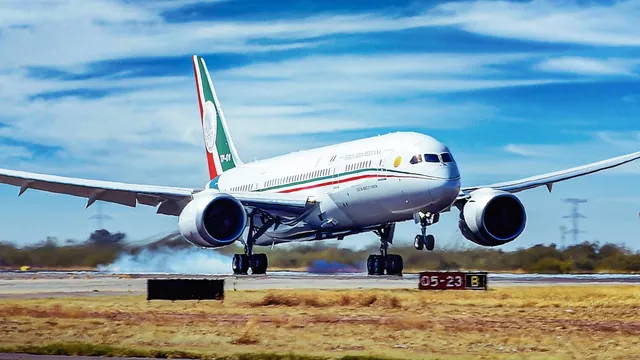


American Airlines' latest addition to its ultra-long-haul route network is the Dallas/Fort Worth to Brisbane flight, which marks a significant milestone in the carrier's efforts to expand its presence in Australia.
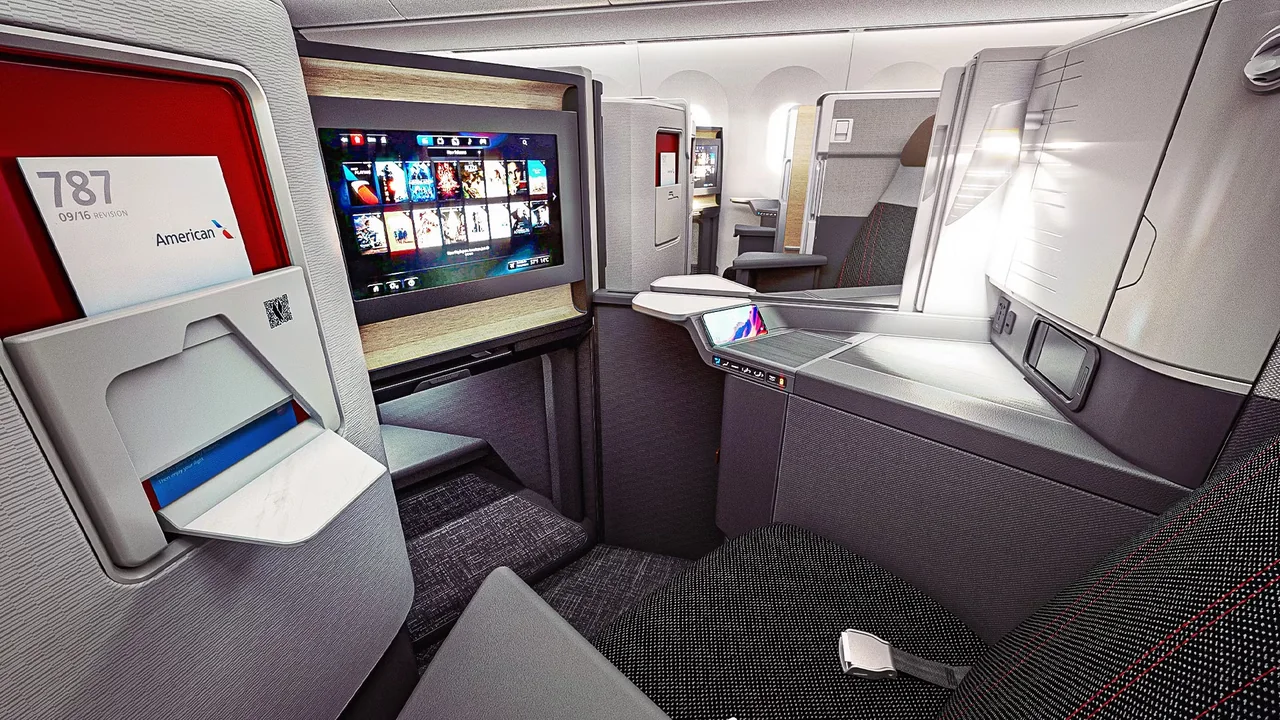
The Boeing 787-9 aircraft used for this route features a unique '789P' layout that includes 51 Flagship Suites and 32 premium economy seats, making it an attractive option for passengers seeking comfort and luxury on long-haul flights.
The selection of Brisbane as the departure point is also noteworthy, as it's only the third-largest city in Australia, behind Sydney and Melbourne, none of which American serves from DFW with its own metal.

This route is a prime example of how airline route planning can be influenced by complex factors beyond just connecting points on a map.
The joint venture between American Airlines and Qantas has streamlined operations and simplified ticketing for passengers, while also allowing the carriers to share revenue and coordinate schedules.
However, this arrangement also comes with its own set of challenges, including the need for careful planning and coordination to ensure smooth connections and efficient use of resources.

American's decision to launch this route with a Boeing 787-9 rather than its standard aircraft is a testament to the importance of investing in premium products that meet the evolving demands of long-haul passengers.
The success of this flight will depend on various factors, including passenger demand, competition from other carriers, and the overall health of the airline's network.
While joint ventures can simplify operations, they also come with complexities that require careful planning and coordination.