


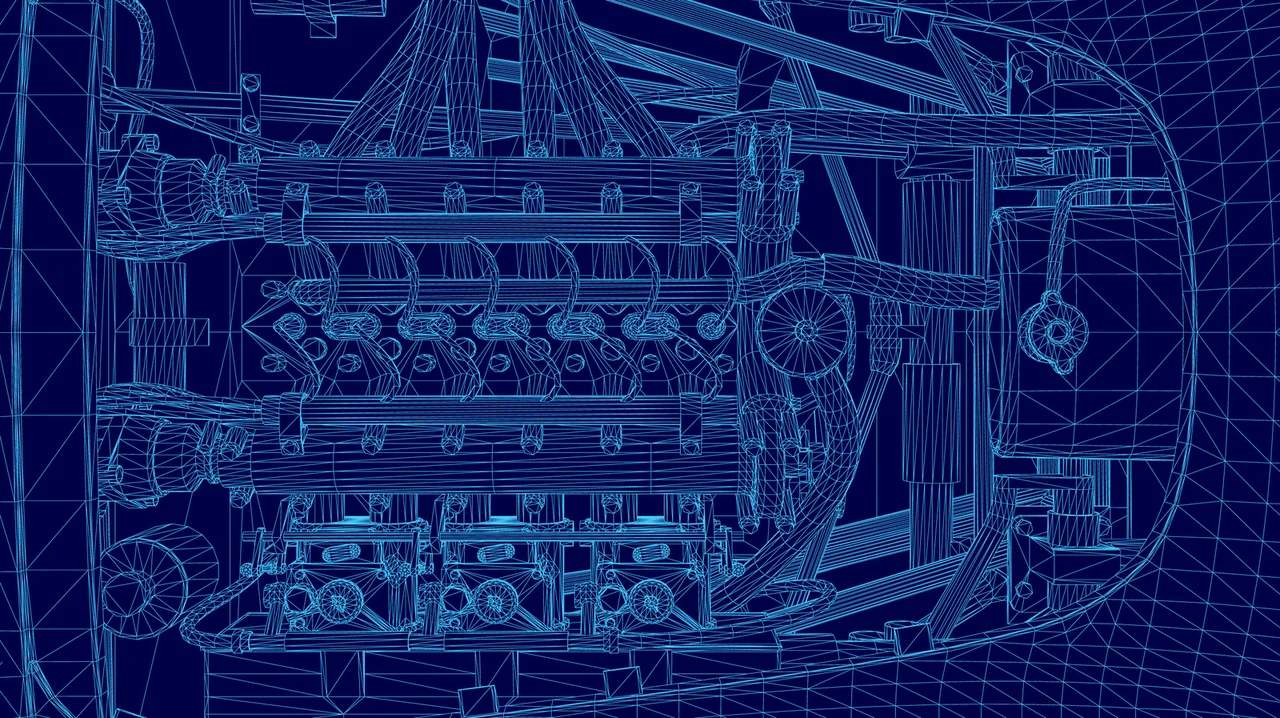
Engine blueprinting is a radical process that takes production parts and reworks them to conform exactly to an engineer's original specification. This approach yields a motor that's even better than when it came off an assembly line, with every cylinder bore a perfect geometrical shape, crank journal rounded to the atomic level, and deck height at the same flatness front to back.
In a mass-produced car, these subtle variations are perfectly acceptable. However, when stacked together, they add up and manifest themselves in the form of a small bit of wasted potential energy through heat, internal friction, and vibration.
Blueprinting is not just limited to hot rods; it can also save classic motors like those still being produced today. The process involves picking up micrometers, dial indicators, and bore gauges to measure every single parameter.
To truly understand the madness of blue printing, one must watch a soul-calming stop-motion engine build. This visual representation highlights the OEM rotating assembly's imperfections, such as tiny variations in mass that can create massive kinetic disharmony at high RPMs.
A four-gram difference in piston weight may seem insignificant, but when that piston changes direction 7,000 times a minute at 3,500 rpm, the vibrations scale exponentially with speed. A blueprinted engine, however, flattens this variance, ensuring every component is perfectly matched.
The crankshaft is another critical component where blueprinting makes a significant impact. By adjusting the crankshaft's dimensions to match the engine's specifications, blueprinters can reduce vibration and increase overall performance.
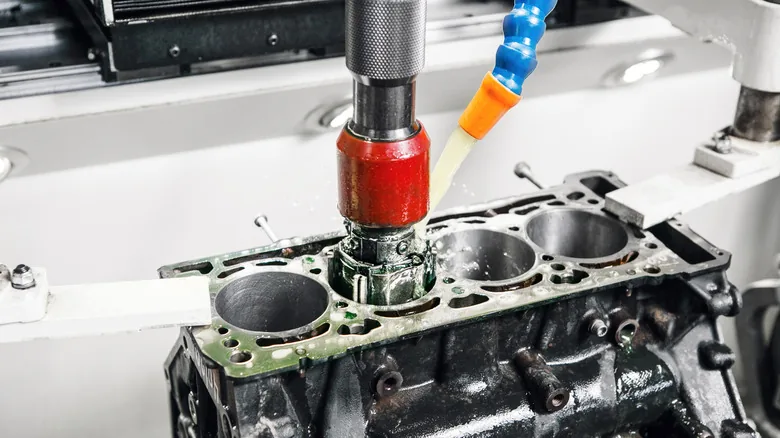
This level of precision requires a deep understanding of engine mechanics and precision craftsmanship. The end result is an engine that not only performs better but also lasts longer due to reduced wear and tear.
In conclusion, engine blueprinting is a revolutionary process that takes production parts and reworks them to achieve perfect tolerances. This approach yields exceptional performance, increased durability, and a deeper understanding of the intricate mechanics involved in engine building.
This process requires a deep understanding of engine mechanics and precision craftsmanship.