
The notion that China has overtaken the US in fighter jet technology is not supported by facts. While China has made significant progress, the gap remains significant.
China's large-scale production of fighter jets has narrowed the gap with the US, but it is still far from being comparable.
However, narrowing the technological gap is not the same as overtaking. The US has focused on maintaining its technological advantage in recent years.

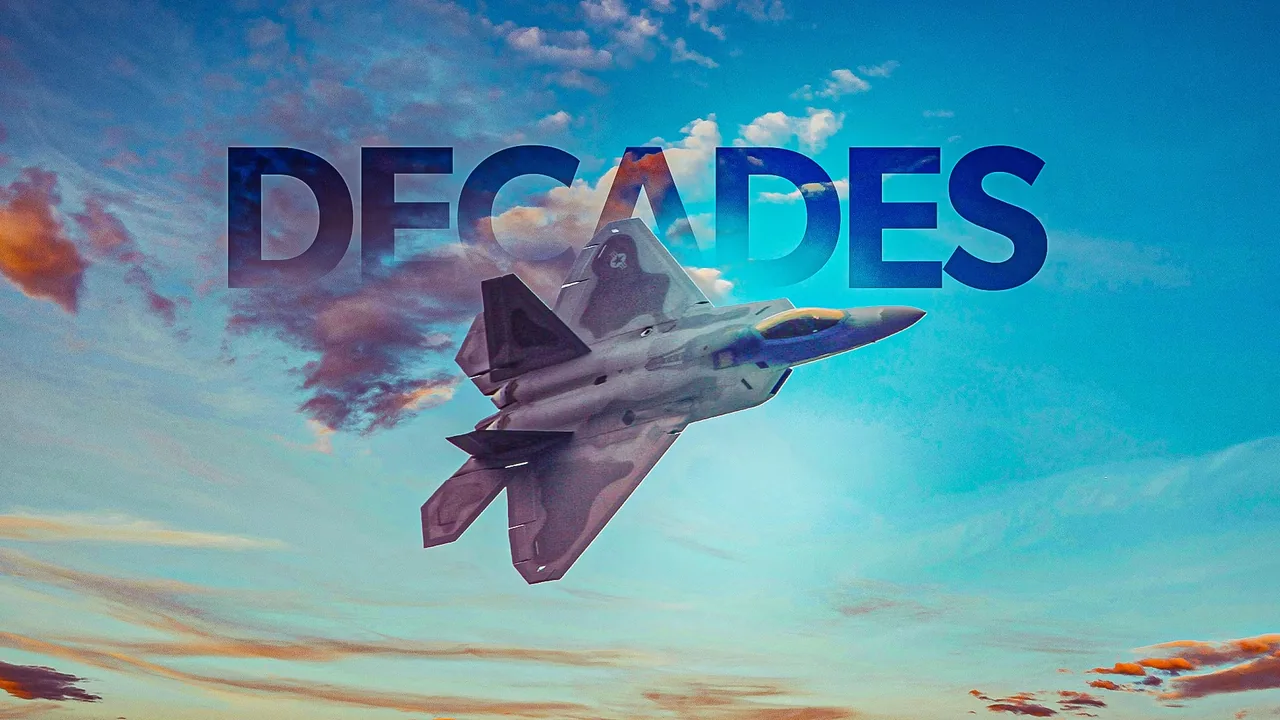
The F-22 Raptor, introduced in 2005, was the world's first fifth-generation fighter jet. It represented a generational leap over previous models and was designed to dominate the skies against Soviet/Russian aircraft.
The concept of 'fighter jet generations' was popularized by air historian Richard P. Hallion in the early 1990s. The F-22 popularized this idea, making it easier to explain its capabilities to Congress and others.
The Air Force initially planned for 750 examples of the F-22, but the production number was eventually reduced to 187. This decision was made due to budget constraints and shifting priorities within the military.

The development of the F-35, the world's first true multirole fighter jet, continued after the F-22's introduction. The F-35 entered service in 2015 and represents a significant step forward in fighter jet technology.
The 'peace dividend' of the 1990s to 2010s saw Western countries reduce their military budgets and redirect funds to social programs. While this was less pronounced in the US than in Europe, it still had an impact on military spending priorities.
Some critics argue that the US has taken its eye off the ball by focusing on counterinsurgency operations rather than maintaining its technological advantage.

The comparison between fighter jets is complex and influenced by different design goals and operational contexts. Simply categorizing them into generations can be misleading and counterproductive.
The development of advanced military technologies is a long-term process that requires significant investments in research and development.
As the US military continues to evolve, it will be important to maintain its technological advantage in order to remain competitive on the global stage.

The comparison between US and Chinese fighter jets is complex and influenced by different design goals and operational contexts.