


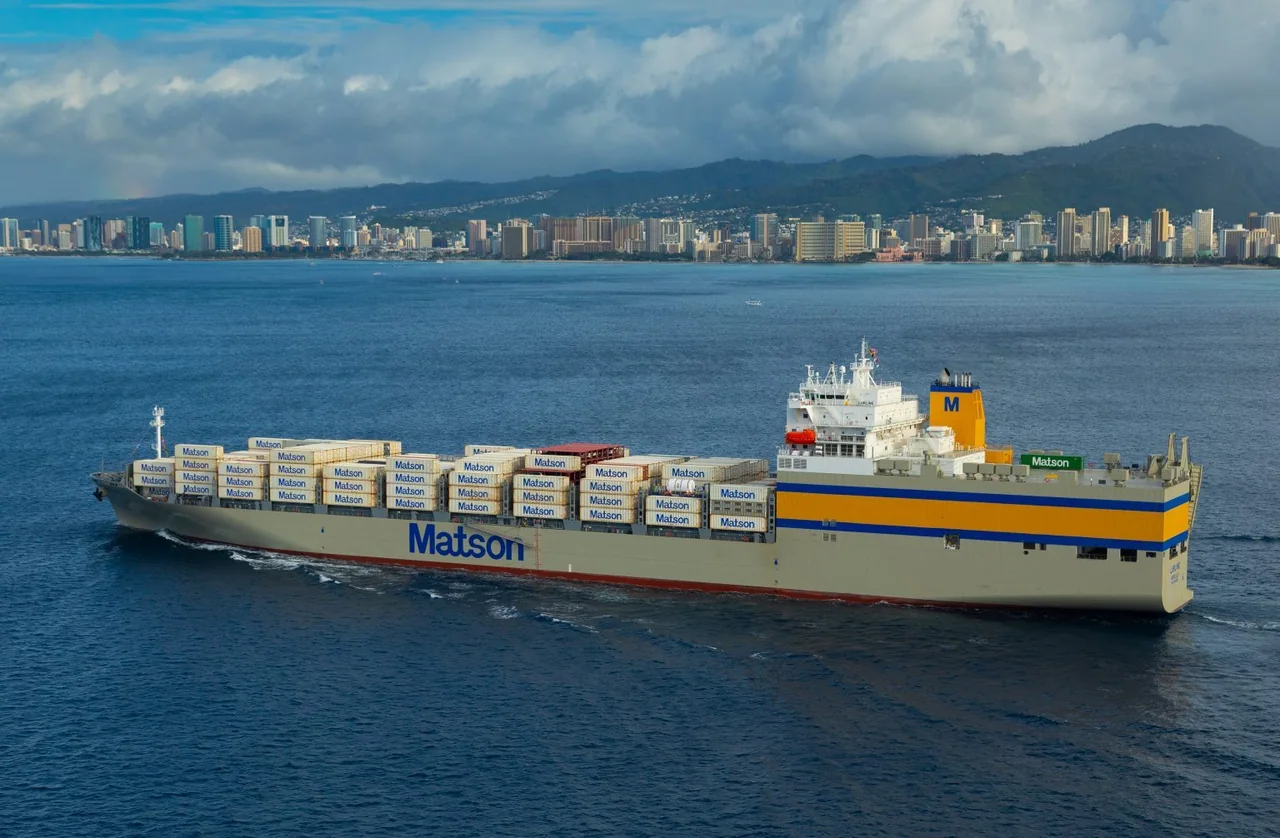
The Jones Act, a century-old law, requires ships carrying cargo between American ports to be U.S.-built, owned, crewed and flagged. This mandate has been in place since 1920, with the aim of promoting domestic shipbuilding and reducing dependence on foreign vessels. However, critics argue that it drives up the cost of fuel, food, and energy for American families.
In March, President Trump temporarily suspended the Jones Act for 60 days over concerns that the Iran war could result in price-gouging and shortages of fuel, fertilizer, and other vital commodities. The waiver provided temporary but modest economic benefits, primarily by increasing shipping options, but did not significantly reduce consumer fuel prices in the immediate term.
The suspension also created uncertainty for the U.S. maritime industry over jobs and for carriers engaged in coastwise trade. This uncertainty has led to a decline in U.S.-flagged ships, with many vessels being replaced by foreign-flagged ships that can operate more efficiently and at lower costs.

Koch Industries, a major player in the energy sector, stands to benefit from a permanent repeal of the Jones Act. With annual revenues of $125 billion, Koch Industries has operations in petroleum refining, chemicals, and fertilizer production, areas where it would likely see significant cost savings with foreign-flagged ships operating in commerce.
The campaign to permanently repeal the Jones Act is being led by Americans for Prosperity, a conservative network backed by billionaire Charles Koch. The group plans a six-figure digital ad campaign urging Congress to take action on the issue, as well as a nationwide citizens' effort writing letters to Congress to demand relief.
For more than a century, Washington has forced families to pay a hidden tax every time goods move between our own ports, and it is way past time to put an end to this failed regulation that has decimated the industry it was intended to help,
A permanent repeal of the Jones Act would have significant implications for the U.S. maritime industry and consumer fuel prices.