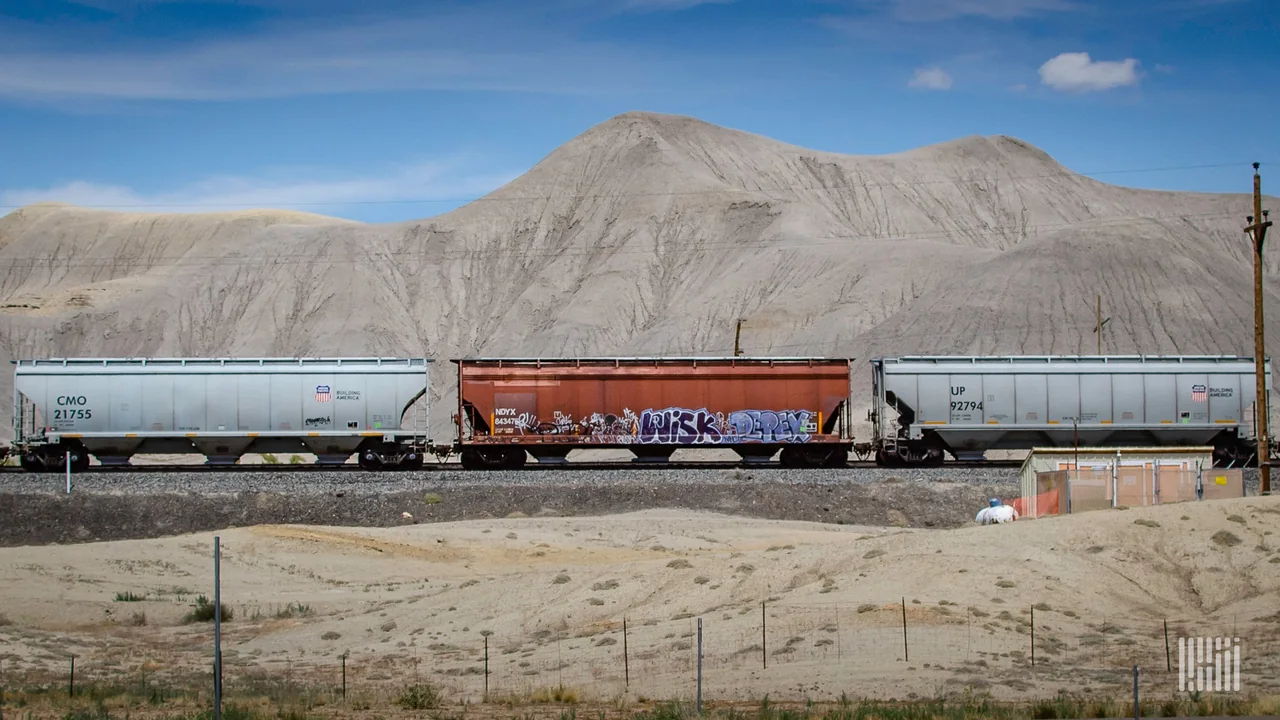
A proposed transcontinental rail merger has raised concerns among retailers supplying U.S. farmers about the impact on their businesses and the entire agribusiness sector.
The Agricultural Retailers Association (ARA) has serious concerns about how this merger would affect its members and the industry as a whole, according to Daren Coppock, ARA president and chief executive.
Coppock pointed out that the four U.S.-based Class I carriers already control 90% of rail freight traffic, concentrating their power to set railroad-friendly terms, driving up costs and threatening supply chain reliability.

The merger would also eliminate time-sucking interchanges of railcars, improving efficiency for shippers but potentially reducing competition in the process.
Freight rail rates have risen by more than 40% over the past 20 years, adjusted for inflation, about 70% faster than truck rates, Coppock wrote.
Critical inputs for fertilizer such as anhydrous ammonia have risen more than 200% since the mid-2000s, further exacerbating the issue.
The proposed merger could lead to service disruptions and reduced competition, resulting in higher transportation costs and less negotiating leverage for agricultural shippers.
Coppock noted that two-thirds of the fertilizer for U.S. crops moves by rail, making the industry particularly vulnerable to changes in the rail network.
The ARA is urging the Surface Transportation Board to take a closer look at the potential impact of this merger on the agribusiness sector and the entire supply chain.
The proposed merger could lead to reduced competition, higher transportation costs and less negotiating leverage for agricultural shippers.