


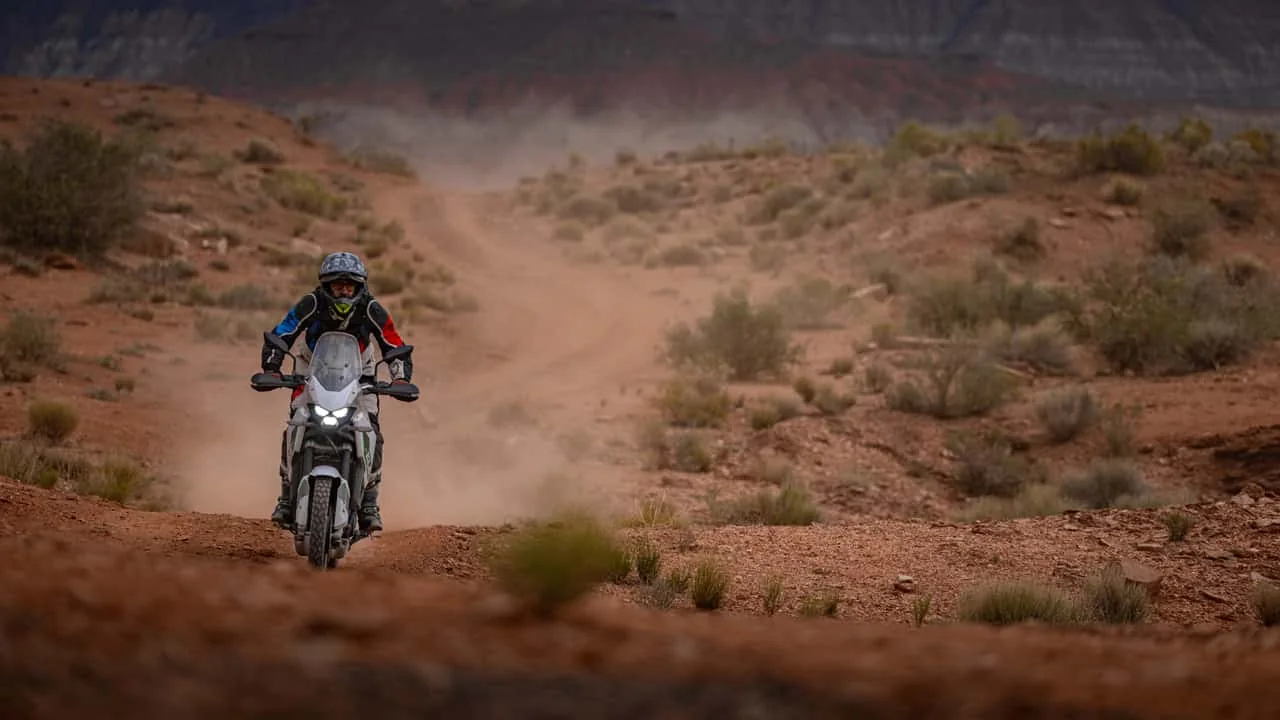
The US House Natural Resources Committee's subcommittee voted to kill the Roadless Rule, a proposal that aimed to protect 157 million acres of roadless lands from development. The rule would have prohibited motorized recreation on these areas, including off-highway vehicle (OHV) trails. However, proponents of the rule argue that it would not have increased OHV trail opportunities, but rather limited access to certain public lands.
The subcommittee's decision marks a significant shift in the debate over public land management and OHV recreation. The Roadless Rule was introduced as part of the 2019 Farm Bill and had been pending since its introduction. Proponents of the rule argued that it would have helped preserve America's natural heritage and protected sensitive ecosystems from damage caused by motorized recreation.
However, opponents of the rule argued that it would have restricted access to public lands for OHV enthusiasts and other recreational users. They claimed that the rule would have been overly restrictive and would have limited opportunities for responsible OHV recreation on certain lands.
The subcommittee's vote is a significant step forward for proponents of the Roadless Rule, but it does not necessarily mean that the rule will pass in its current form. The full House Natural Resources Committee will need to consider the subcommittee's recommendations and potentially make changes before voting on the rule.
Regardless of the outcome, the debate over public land management and OHV recreation is likely to continue. The Roadless Rule was just one proposal in a broader discussion about how to manage America's public lands for future generations.
The decision has significant implications for OHV enthusiasts who rely on public lands for their recreational activities. Many OHV enthusiasts argue that the rule would have limited access to certain lands and restricted opportunities for responsible recreation.
Conservationists, on the other hand, see the Roadless Rule as a crucial step in protecting America's natural heritage. They argue that the rule would have helped preserve sensitive ecosystems and protected wildlife habitats from damage caused by motorized recreation.
The subcommittee's vote is also significant because it highlights the ongoing debate over how to balance competing interests on public lands. The decision will likely be closely watched by stakeholders on both sides of the issue, including OHV enthusiasts, conservationists, and outdoor recreation groups.
As the debate over public land management continues, it remains to be seen whether the Roadless Rule will be revived or if alternative proposals will emerge. One thing is certain, however: the decision has significant implications for OHV recreation and public land use that will be felt for years to come.
The outcome of the subcommittee's vote also highlights the importance of responsible OHV recreation on public lands. As the debate over public land management continues, it is essential that stakeholders prioritize responsible recreation practices and work towards finding solutions that balance competing interests.
Ultimately, the decision to kill the Roadless Rule marks a significant turning point in the debate over public land management and OHV recreation. The outcome will have far-reaching implications for America's natural heritage and the recreational activities of millions of Americans.
The subcommittee's vote is also a reminder that public land management is a complex issue that requires careful consideration of competing interests and values. As the debate continues, it is essential that stakeholders prioritize responsible decision-making and work towards finding solutions that balance the needs of different users on public lands.
The decision has significant implications for OHV enthusiasts and conservationists alike.