
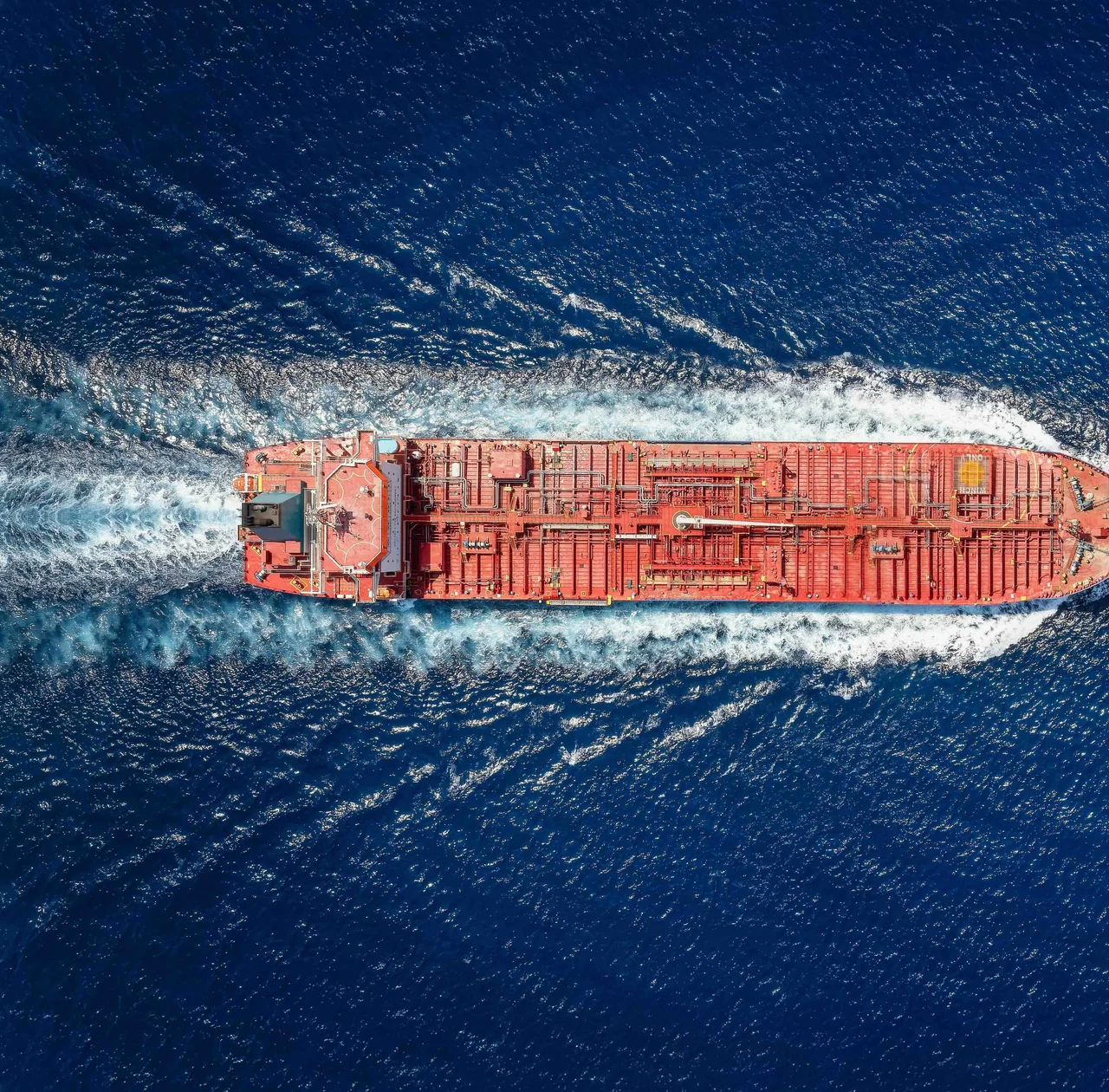
The UK has taken a bold step in its efforts to counter Russia's shadow fleet, with Prime Minister Keir Starmer authorising the military to board and detain Russian vessels in British waters. This move is aimed at disrupting the network of ships that enable Moscow to export oil despite Western sanctions. The decision comes as other European nations have stepped up their efforts to detain Russia's so-called shadow fleet of tankers used by Moscow to fund its four-year war against Ukraine.
The UK's action is part of a broader effort to close off critical sea routes to Russian-protected trade. By authorising military boarding, the UK aims to increase pressure on Russian President Vladimir Putin and limit his ability to export oil. The move also reflects the growing concern among Western nations about Russia's reliance on the shadow fleet to circumvent sanctions.
The decision to board Russian ships is a significant departure from previous cooperation between British forces and other European militaries. While Britain has provided intelligence and logistics support to France and the US in detaining Russian vessels, this move marks the first time that British forces have been authorised to take direct action against Russian ships.
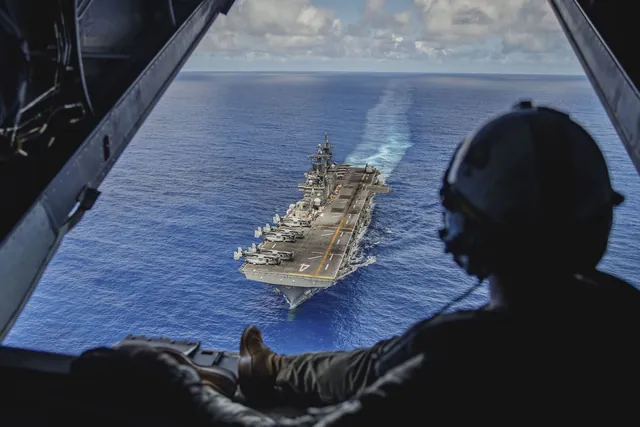
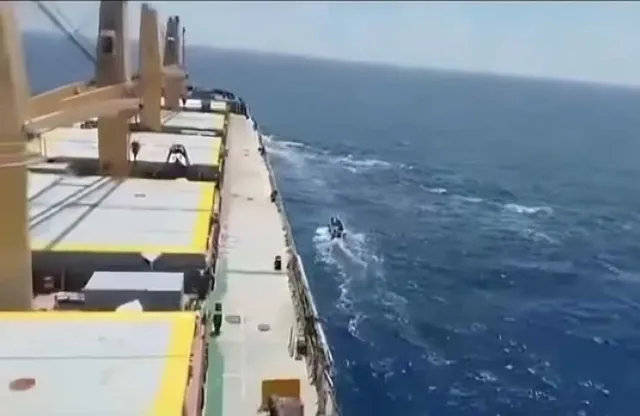
Downing Street has confirmed that British military and law enforcement officials have been preparing to board Russian vessels that do not surrender or use high-tech surveillance to evade capture. The operation is expected to be carried out in conjunction with French and US forces, who have also been detaining Russian vessels in recent months.
The move could force Russian ships to take longer journeys, potentially increasing costs and disrupting global energy markets. This could have significant implications for the international community, particularly if Russia's reliance on the shadow fleet continues to rise.
Russia's use of the shadow fleet has allowed it to keep exporting oil without complying with Western restrictions imposed after its full-scale invasion of Ukraine in 2022. The UK's action is aimed at disrupting this network and limiting Moscow's ability to profit from its war effort.
The British authorisation to board Russian ships may also lead to increased scrutiny of the shadow fleet's opaque ownership structure. As Britain estimates that three-quarters of Russia's crude oil is transported by these vessels, any disruption to their operations could have far-reaching consequences for global energy markets.
European efforts to keep up pressure on Russia were undermined this month when the US administration gave countries a 30-day waiver to buy sanctioned Russian products currently stranded at sea. However, the UK's move marks a significant shift in the international response to Russia's shadow fleet.
The decision by Prime Minister Starmer reflects his strong view that Western nations must take a tougher stance against Russia's efforts to circumvent sanctions. By authorising military boarding, the UK aims to increase pressure on Putin and limit Moscow's ability to export oil.
The move by the UK to authorise military boarding of Russian ships in British waters marks a significant escalation in efforts to disrupt Moscow's oil export network.