
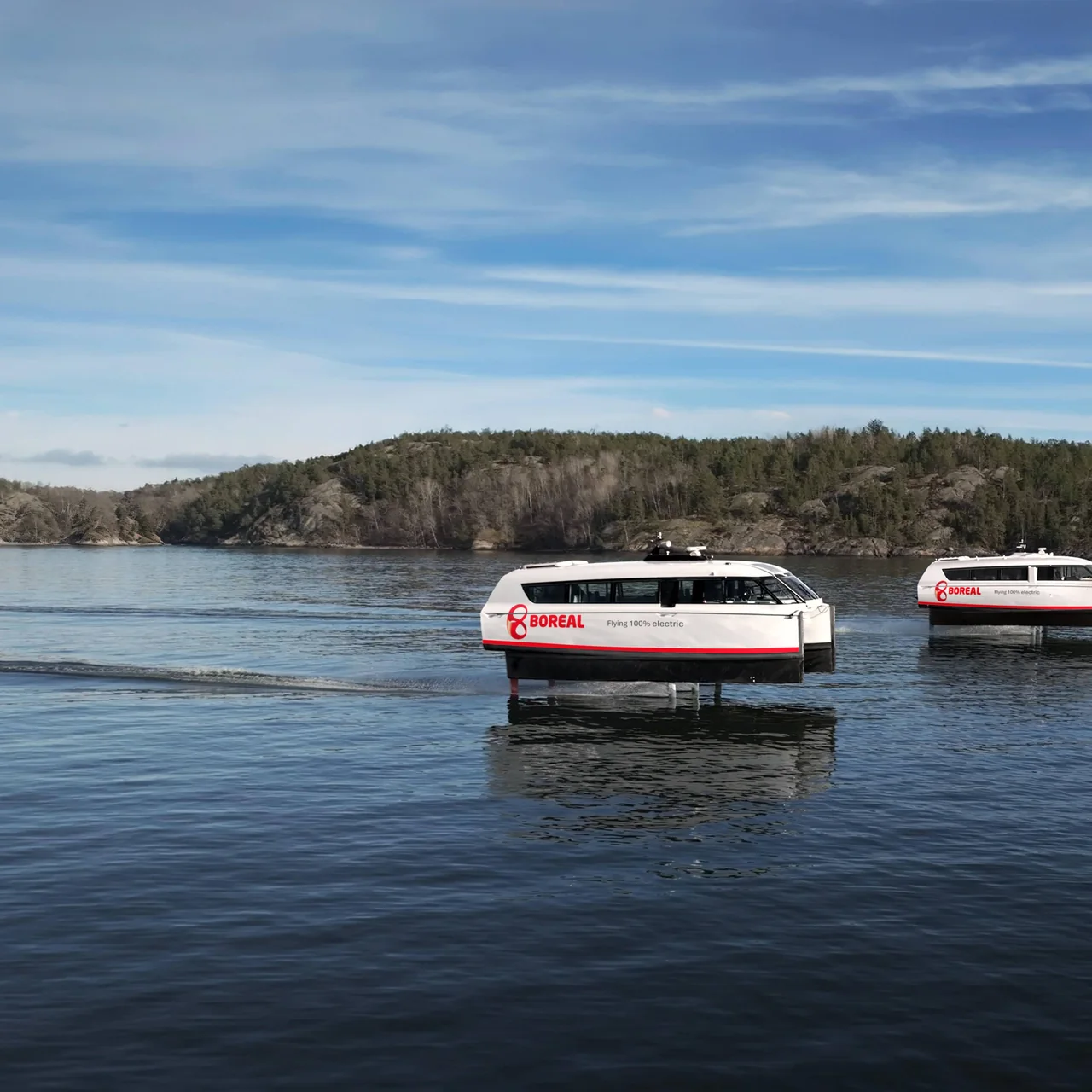
The maritime industry is on the cusp of a revolution, with Norwegian ferry operator Boreal taking a leading role in the adoption of electric hydrofoil vessels. The company has ordered 20 such vessels from Swedish Candela Technology, marking a significant milestone in the transition to cleaner and more sustainable transportation options. By leveraging the technology developed by Candela, Boreal aims to reduce its environmental footprint and provide faster, more efficient services to its customers.
The Norwegian ferry operator has long been at the forefront of electrification efforts in the maritime industry, with battery-powered ferries operating on short routes. However, express ferries – the fast passenger vessels that connect coastal communities over long distances – have proven to be a challenge. The Candela P12 vessel is designed to address this challenge, offering a unique combination of speed, range, and energy efficiency.
The Candela P12 electric hydrofoil vessel boasts an impressive cruising speed of 25 knots and a range of around 40 nautical miles, with accommodation for up to 25 passengers. This makes it possible for the vessels to operate on routes that were previously not feasible with battery power alone. The result is a significant reduction in operating costs and a more sustainable transportation option.
The technology behind the Candela P12 vessel is based on the ability of hydrofoils to 'lift' the vessel above the water surface, resulting in dramatic reductions in energy consumption. This means that the vessels can be charged with ordinary fast chargers, similar to those used for electric cars, without the need for extensive infrastructure or megawatt chargers.
The introduction of these new-generation fast boats is expected to have a profound impact on the maritime industry. With energy consumption reduced by up to 80 percent compared to conventional vessels, the technology opens up electric operation on routes that were previously not possible. This shift towards more sustainable transportation options is likely to have far-reaching consequences for the industry.
The benefits of this new technology are multifaceted. Not only will it reduce operating costs by up to 90 percent compared to diesel, but it will also contribute to a reduction in greenhouse gas emissions and other pollutants associated with traditional fossil-fuel-powered vessels.
The Candela P12 vessel has already demonstrated its capabilities through the longest electric sea voyage in history between Sweden and Norway. The technology has been successfully tested using a mobile battery solution, paving the way for widespread adoption in the maritime industry.
The first two P12 vessels are scheduled to be delivered to Boreal in 2027, with the rest of the fleet set to be rolled out in annual deliveries from 2028 to 2030. This phased rollout will enable the company to gradually introduce the new technology into its operations and minimize disruption to existing services.
As the maritime industry continues to evolve, it is likely that we will see more operators embracing electric hydrofoils as a key component of their sustainability strategies. The success of Boreal's adoption of this technology marks an important milestone in the transition towards cleaner, more efficient transportation options.
The integration of electric hydrofoils in the maritime industry marks a significant shift towards more efficient and environmentally friendly transportation options.