

The era of the all-inclusive premium cabin is fading away into the history books. For the modern traveler, the concept of a business class seat or an extra-legroom row no longer guarantees a specific set of ground perks. Delta Air Lines and United Airlines have both introduced new, unbundled fare structures that strip away traditional amenities to create lower entry-level price points.
This guide explores the critical differences between Delta Comfort Basic and United Base Polaris, two products that embody the same philosophy but target entirely different parts of the aircraft. By analyzing how these fares affect lounge access, seat selection, and baggage allowances, we can better understand the broader industry trend of tiered premium bundles.
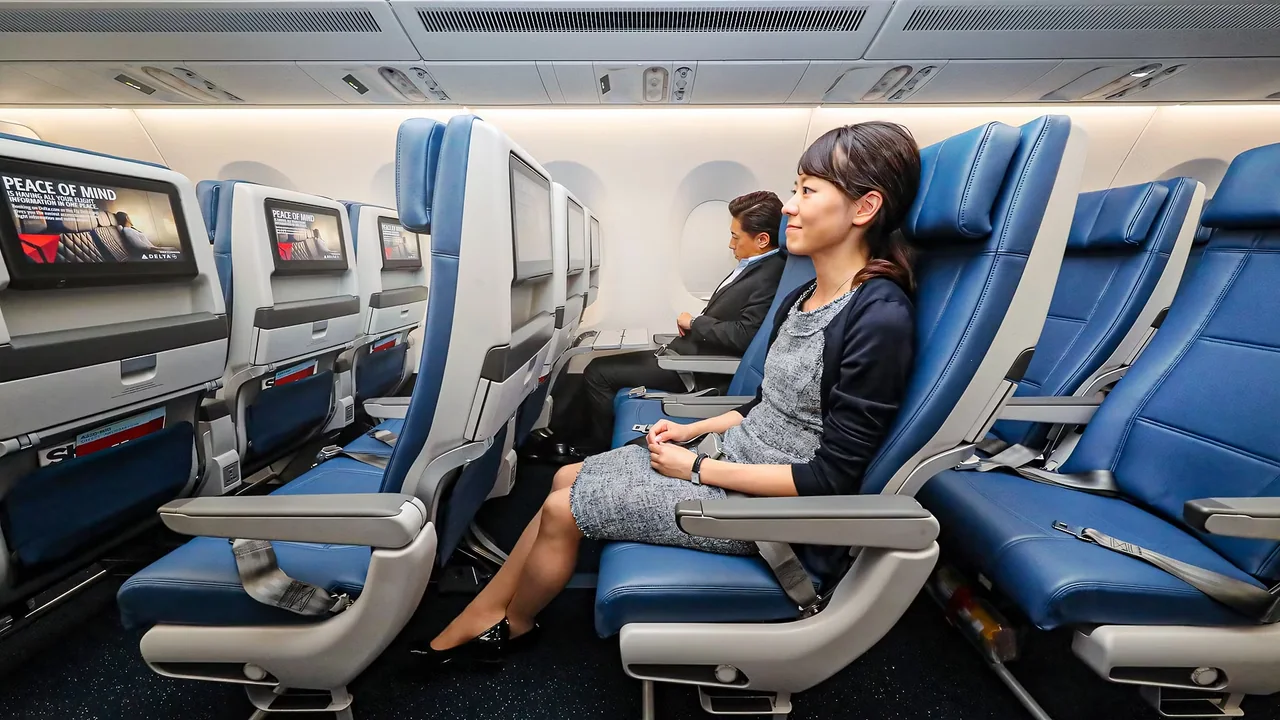
While Delta and United are moving in the same strategic direction, the specific cabins they have chosen for their initial basic rollouts reveal different priorities. Delta Comfort Basic is a targeted strike on its extra-legroom economy product, serving as a laboratory for future unbundling across its entire fleet.

In contrast, United has taken a more aggressive stance by applying this logic directly to its flagship long-haul business class with the introduction of Base Polaris. This distinction in cabin level shapes nearly every comparison between the two products, from the financial implications of the purchase to the nature of the perks being removed.
For Delta, Comfort Basic represents the first visible step in a long-term plan to introduce tiered fare bundles across every single cabin. Delta President Glen Hauenstein has explicitly framed this rollout as a foundational move , suggesting that basic versions of Delta One and Delta First are already on the horizon for late 2026.
By starting with the extra-legroom tier, Delta is acclimatizing its most loyal domestic travelers to a world where a higher class of service no longer implies a higher class of flexibility. The move allows the airline to capture price-sensitive travelers who value the extra legroom but do not need the ability to change their flights or select a seat in advance.

United Base Polaris is a much more dramatic implementation of the same philosophy, stripping the all-in nature of international business class. Travelers who opt for this fare will find themselves in the same high-end lie-flat suites that have made Polaris a staple of the transoceanic market.
The introduction of Base Polaris marks a significant shift in United's approach to premium travel, one that prioritizes flexibility and customization over traditional luxury amenities.
As airlines continue to evolve their business models, it will be interesting to see how Delta and United navigate the challenges and opportunities presented by these new fare structures.

As airlines continue to adapt to changing consumer demands, the concept of a business class seat is becoming increasingly irrelevant. The focus is shifting towards providing a personalized flying experience that caters to individual preferences.