

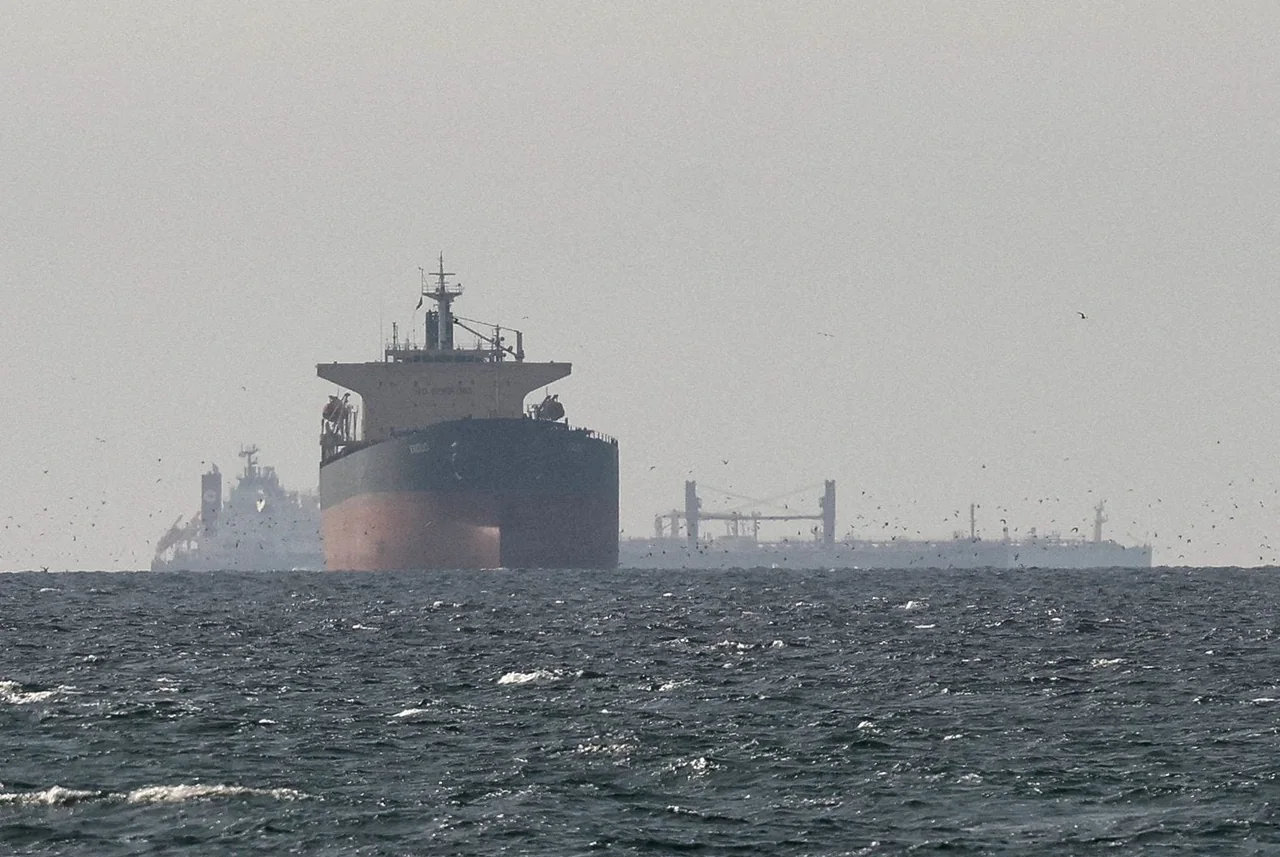
The current oil recovery is facing significant delays due to the ongoing supply chain disruptions caused by the closure of the Strait of Hormuz. The situation has sparked concerns among s, who warn that it will take weeks for trade to normalize and for the supply chain to recover. This means that the recent declaration of the Strait's 'openness' should be taken with a grain of salt, as there are still many challenges to be addressed before trade can truly return to normal.
The shipping industry is pushing back against the narrative of the Strait being 'open', citing the risks and uncertainties that persist. The closure of the strait has rerouted vessels worldwide, leading to reduced trade volumes and a significant impact on the supply chain. This has resulted in a jet fuel crisis, with inventory levels already at critical levels in Europe.
The compounding effect of time is exacerbating the situation, as deliveries struggle to keep up with consumption. The extended transit times have created a buffer that is rapidly depleting, leading to flight cancellations, higher surcharges, and rising fees. These pressures will persist until the supply chain recovers and trade returns to normal.

The industry needs to focus on mitigating measures, such as improving logistics and transportation efficiency, to reduce the impact of these disruptions. This includes investing in alternative energy sources, increasing storage capacity, and developing more efficient shipping routes.
As the situation continues to unfold, it is essential for industry stakeholders to work together to address the challenges posed by the supply chain disruptions. This will require a coordinated effort to improve communication, increase transparency, and develop effective solutions to mitigate the impact of these disruptions.
The return to normal transit through the Strait of Hormuz is critical to plugging the hole in the supply chain. Typically, this involves around 135-150 vessels per day, but currently, only seven empty vessels have transited the strait into Middle East ports.
Compounding the supply shortfall is the additional time required for rerouted vessels to secure alternative cargoes. This has created further dislocation across energy and transport markets, with trade timelines now significantly extended.
The added distance is not only compounding the energy crunch but also vessel scheduling disruptions. The industry needs to find ways to reduce these risks and ensure that trade can continue to flow smoothly.
Ultimately, the recovery of the oil market will depend on the ability of the supply chain to recover and trade to return to normal. This will require a sustained effort from industry stakeholders, governments, and other relevant parties to address the challenges posed by these disruptions.