

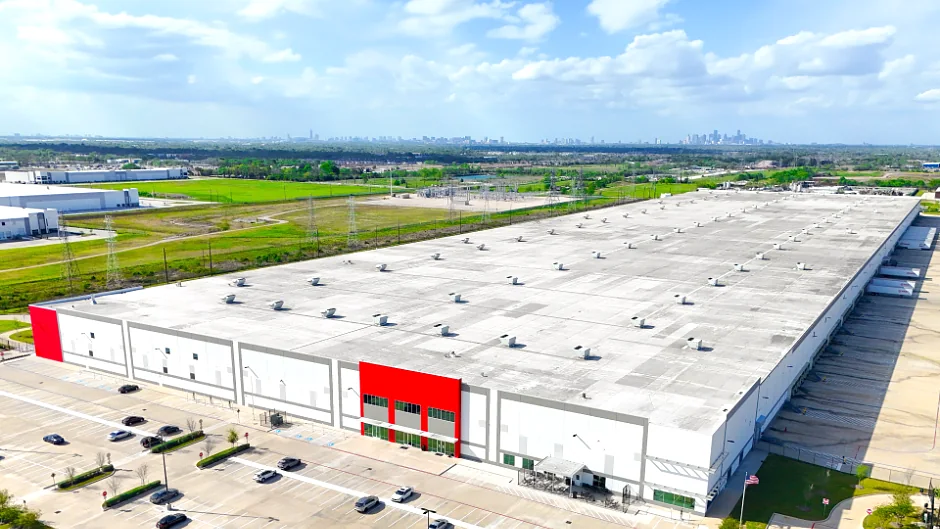
The retail industry is witnessing a significant shift towards more efficient and technologically advanced supply chain operations. Target's recent $265 million investment in its Houston logistics facility is a prime example of this trend. The 1.2 million-square-foot receive center will enable the company to connect directly with global suppliers, respond to store demand in real-time, and position inventory closer to demand signals.
The facility represents a major milestone for Target's supply chain team, which has been working towards improving operational efficiency and reducing costs. By integrating cutting-edge technology such as virtual reality and immersive 3D visualization tools into its design process, the company aims to optimize workflows, reduce costly changes after construction, and improve operational readiness from day one.
Target's decision to invest in this new facility is a strategic move to expand its growing logistics footprint along the Gulf Coast. The company already operates roughly 2,000 retail stores and 66 supply chain facilities across the country, and this latest investment is expected to create about 185 local jobs.

The Houston receive center will support six regional distribution centers and one flow center, acting as a buffer between import warehouses and store-level fulfillment. This design allows Target to better manage seasonal, bulky or hard-to-forecast goods while reducing congestion at distribution centers and store backrooms.
By inserting capacity earlier in the supply chain, Target aims to reduce bottlenecks further downstream. The company's approach is particularly valuable during peak seasons or for trending items, enabling it to secure goods early but delay final allocation decisions until demand signals become clearer.
The facility's strategic location between Target's import hubs in Georgia and Washington state will help shorten delivery distances and lower transportation costs. This is a critical factor in the retail industry, where timely and cost-effective logistics are essential for maintaining customer satisfaction.
Target also has a significant presence in Mexico and other Latin American countries, with a dedicated sourcing office in Mexico City established last year. The company's global supply chain strategy is designed to align inventory deployment more closely with real-time store demand.
The use of virtual reality technology in the design process was a first for Target's supply chain team. This approach allowed teams to test workflows, optimize layouts and identify inefficiencies early, reducing costly changes after construction and improving operational readiness from day one.
Target's investment in its Houston logistics facility is part of a broader trend towards more efficient and technologically advanced supply chain operations. As the retail industry continues to evolve, companies like Target will play a critical role in shaping the future of logistics and supply chain management.