


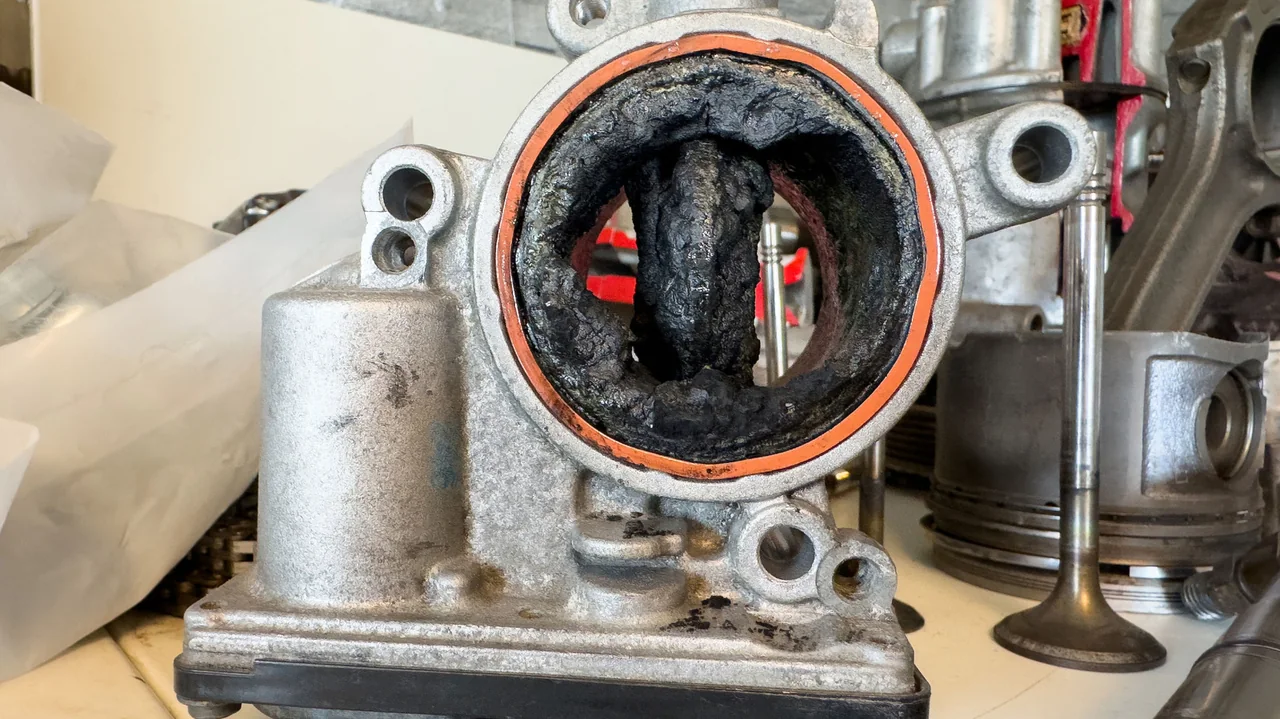
The rise of gasoline direct injection (GDi) engines in the late 1990s and early 2000s brought about a new wave of maintenance headaches. One of the most common issues affecting these engines is carbon buildup on engine valves, which can lead to costly repairs if left unchecked.
Carbon buildup occurs due to incomplete combustion, resulting in carbon particles depositing on the engine's inner surfaces over time. The intake valves are particularly susceptible to this problem, as they are exposed to the combustion byproducts without the cleaning mechanism provided by traditional port-injected engines.
The lack of cleaning mechanism in direct injection engines means that valve guides and variable valve timing can accelerate the buildup process, making it even more challenging to address.
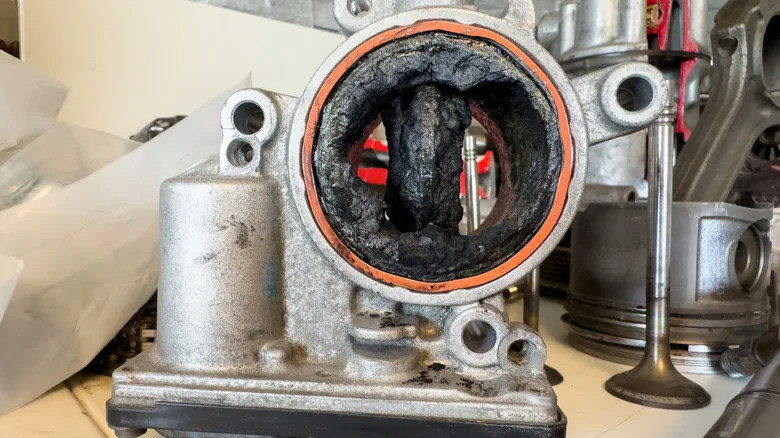
As a result, carbon buildup can cause ignition problems, rough operation, fouled spark plugs, and misfire codes. These issues can be severe enough to compromise engine performance and fuel efficiency.
The intake manifold is also affected by carbon buildup, as it relies on the air-fuel mixture being distributed evenly to each cylinder. Reduced power and worse fuel efficiency can result from carbon restrictions compromising this function.
Piston tops are another area where carbon buildup can cause significant problems, with symptoms ranging from light ticking to full-on hammering and knocking. As mileage increases, the buildup grows worse, making it essential to address the issue promptly.

In turbocharged gasoline direct injection engines, heated carbon debris can trigger low-speed pre-ignition, leading to reduced engine performance and increased risk of engine failure.
To mitigate these issues, it's crucial to employ regular maintenance practices, including using the right fuel and oil for your specific engine type. In some cases, a professional shop visit may be necessary to address more severe carbon buildup problems.
As engine technology advances, it's essential for manufacturers to prioritize engine cleaning and maintenance to mitigate the effects of carbon buildup.