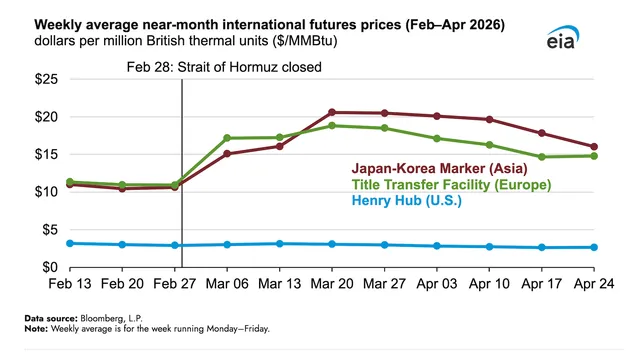

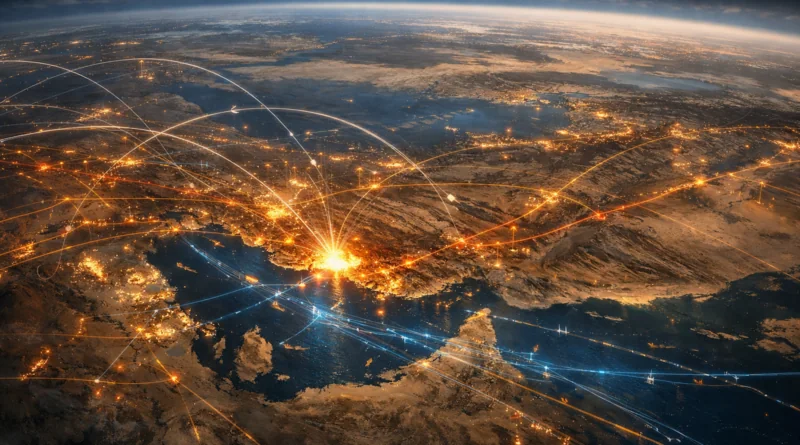
The sudden attack on Iran's leadership has led to a series of escalatory measures from both sides, causing the closure of the Hormuz Strait.
Hopes for a quick resolution are over, and the damage from the closure has compounded through the weeks, rippling across the world's economy.
The loss of oil barrels and damaged infrastructure mean it may take months or years to return to pre-war normality.
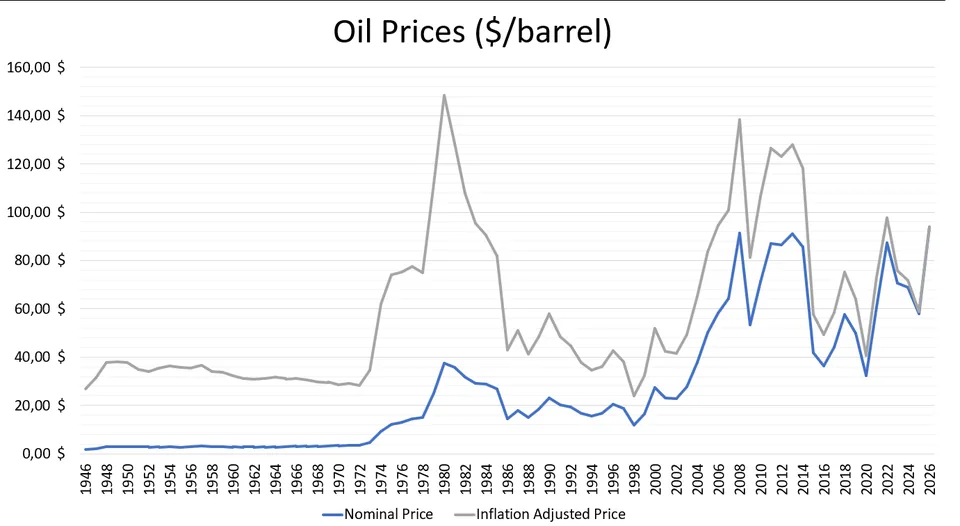
This is not the first time the world has faced such an energy shock, as the 1970s 'twin crises' eerily mimic the current situation.
Understanding these past events can provide valuable insights into how to navigate the current crisis.
The 1973 Oil Embargo and the Islamic Revolution in Iran had a profound impact on the global economy.
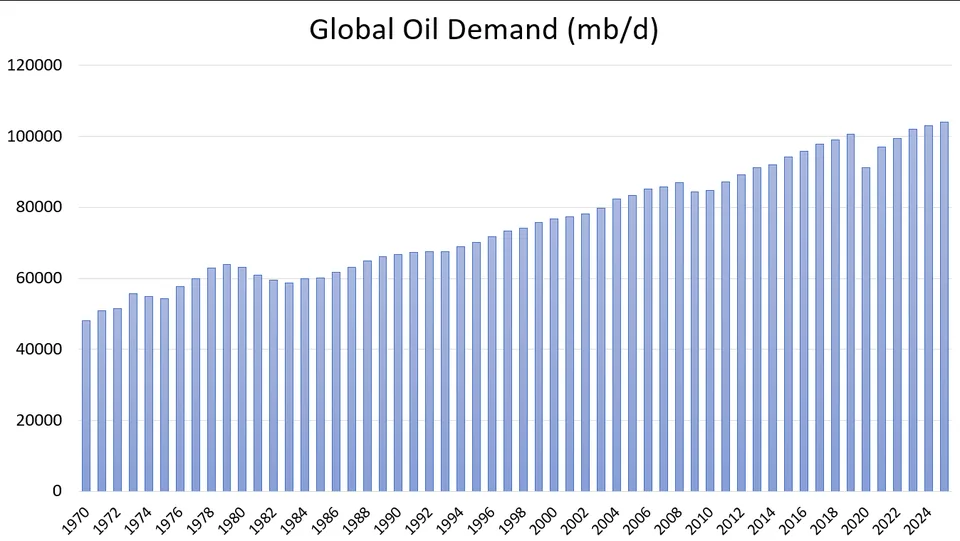
By analyzing these historical events, we can attempt to predict how the current crisis may reshape the world's energy landscape.
The US lost its ability to be a 'swing producer' after peaking in production in the 1970s, making it reliant on Middle East countries for fuel.
This vulnerability has been exposed once again, highlighting the need for greater global cooperation and diversification of energy sources.
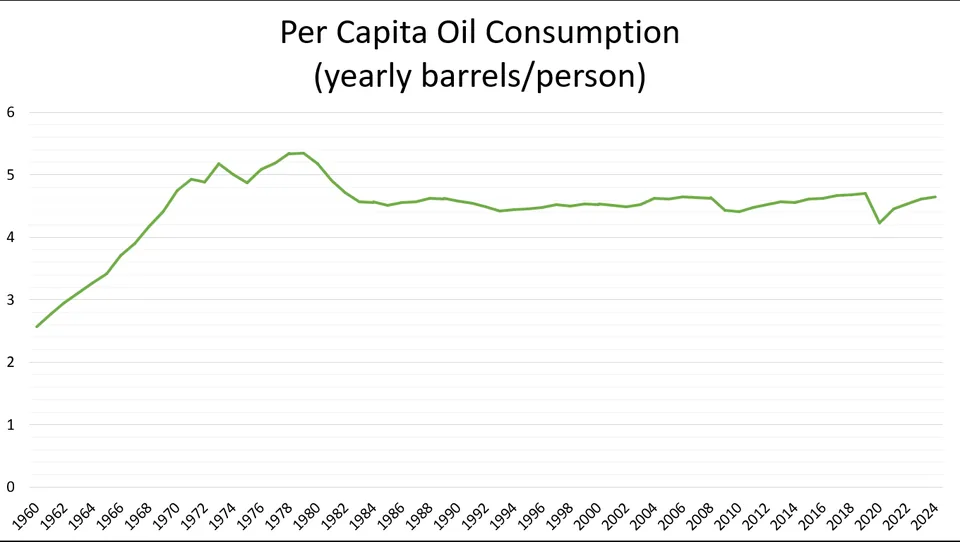
The current crisis highlights the vulnerability of global energy systems to geopolitical tensions.