
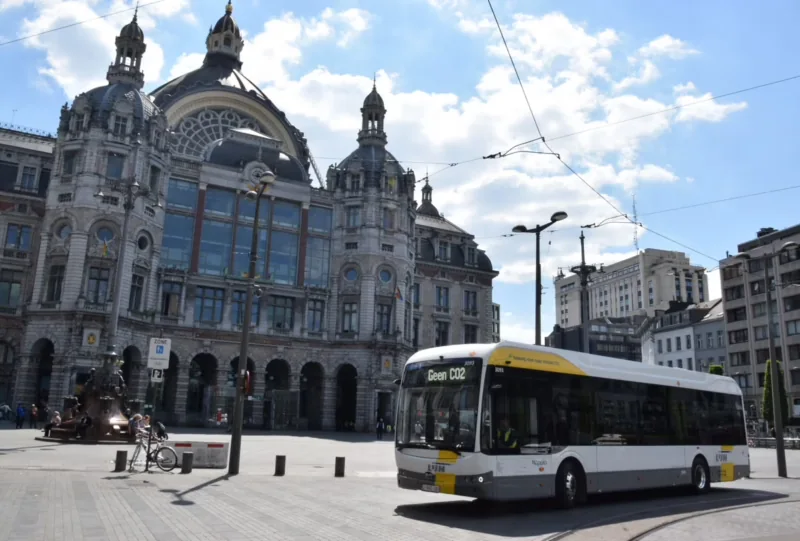
The transportation sector is witnessing a significant shift towards electrification, with the adoption of electric vehicles gaining momentum worldwide. In Belgium's Flanders region, this trend is being showcased with the commissioning of De Lijn's 1,000th electric bus. This milestone marks an important step towards sustainable and future-oriented public transport in the region. The investment made by the Flemish Government in electric buses is a testament to their commitment towards reducing carbon emissions and promoting environmentally friendly transportation options.
The Flanders region has set ambitious targets for its public transportation system, with plans to have 3,800 electric buses by 2035. This goal could potentially lead to the phased out of diesel buses in the region, making it one of the first regions in Europe to achieve this milestone. The impact on air quality and noise pollution will be significant, contributing to a cleaner and healthier environment for its citizens.
The benefits of electric buses extend beyond environmental concerns, with studies suggesting that they can reduce premature deaths attributed to air pollution. In 2013, it was estimated that 10,000 premature deaths in adults over 30 in the EU28 and Switzerland could be attributed to NOx emissions from diesel cars and light commercial vehicles. By transitioning to electric buses, De Lijn is taking a proactive step towards reducing this number of fatalities.
Electric motors are more energy efficient than traditional diesel engines, which waste a significant amount of energy during operation. This means that electric buses can travel longer distances on a single charge, reducing the overall carbon footprint of public transportation. As the world continues to grapple with the challenges of climate change and air pollution, initiatives like De Lijn's 1,000th electric bus are crucial in promoting sustainable transportation options.
The Flemish Government's investment of 400 million euros in electric buses is a significant step towards reducing carbon emissions and promoting environmentally friendly transportation. This investment will not only benefit the environment but also contribute to the economic growth of the region by creating jobs and stimulating innovation in the clean energy sector.
De Lijn's Director General, Ann Schoubs, has highlighted the importance of electric buses in achieving climate goals and future-proofing the organization. She notes that for society, this represents an important step towards reducing emissions and promoting a healthier environment. For the traveler, electric buses offer quiet, comfortable, and emission-free transportation options.
The adoption of electric buses is not just a regional issue but has broader implications for the global transportation sector. As more regions and cities commit to electrifying their public transportation systems, we can expect to see significant reductions in greenhouse gas emissions and air pollution. This trend has far-reaching consequences for climate change mitigation and public health.
The transition to electric buses is not without its challenges, but the benefits are clear. By investing in clean energy technologies like electric motors, governments and organizations can reduce their carbon footprint and contribute to a more sustainable future. As De Lijn continues to expand its fleet of electric buses, it serves as a model for other regions to follow.
The 1,000th electric bus commissioned by De Lijn marks an important milestone in the transportation sector's shift towards electrification. As we move forward, it is essential that we prioritize sustainable transportation options like electric buses to reduce our impact on the environment and promote public health.
Electric buses offer a cleaner alternative to traditional diesel engines.