
Fleets and shippers face immense pressure during disaster response, as supply chains must pivot quickly to deliver essential goods. The sudden surge in demand can lead to operational blind spots, where trailers are in short supply or positioned far from where they're needed. This can slow down response efforts at a critical moment when speed matters most.
The difference between disruption and resilience often comes down to preparation. Fleets are rethinking their equipment strategy, moving from reactive approaches to more proactive models designed to keep goods moving during disasters. Industry leaders emphasize the importance of having an established equipment strategy in place before an event occurs.
Disaster response rarely comes with perfect timing or long lead times; rather, it develops quickly and requires immediate action. In many cases, equipment access begins impacting response timelines within the first 24 hours of an event. This is why having a partner network and equipment access points in place early on is crucial for swift activation of response plans.

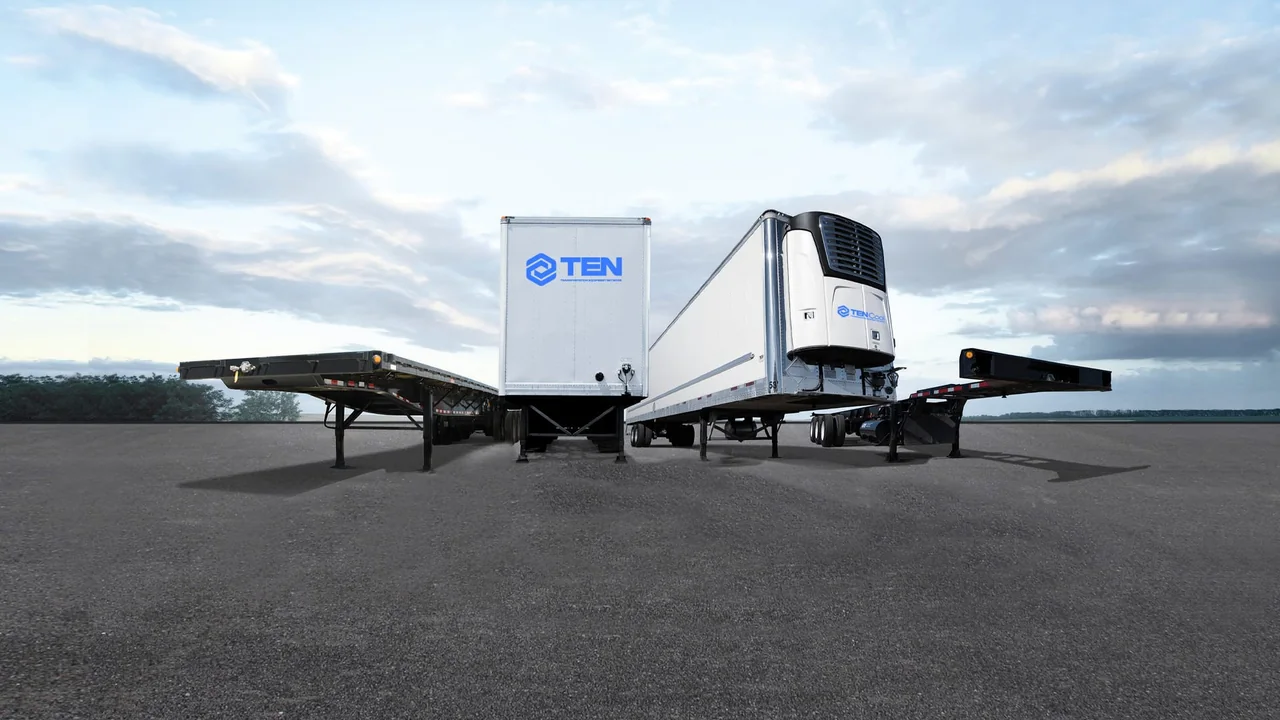
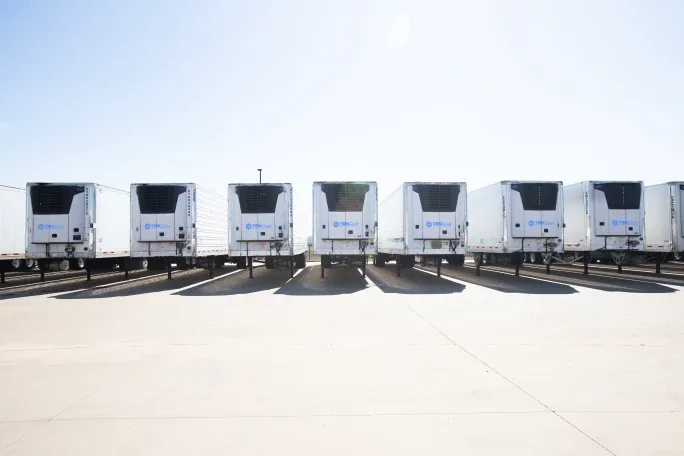
Typically, 53-foot dry vans and refrigerated trailers are the first types of equipment used during evacuations and relief operations due to their versatility. Their size allows for maximum product capacity, making them well-suited for transporting or storing large volumes of food, water, pharmaceuticals, and other critical supplies.
The value of proactive equipment strategy cannot be overstated. Fleets that define their partner networks and equipment access points early can activate response plans faster and move essential goods with greater confidence. This is especially important in disaster response situations where speed and efficiency are paramount.
Operational blind spots can have severe consequences, slowing down response efforts and putting lives at risk. By having a proactive equipment strategy in place, fleets can minimize these risks and ensure that critical supplies reach those who need them most.
The importance of equipment management during disasters cannot be overstated. Fleets must secure equipment quickly to respond to disasters, and having an established equipment strategy is key to resilience. This includes defining partner networks and equipment access points early on.
Fleets that prioritize equipment management can make a significant difference in disaster response situations. By being proactive and prepared, they can minimize operational blind spots and ensure that critical supplies reach those who need them most.
In conclusion, having an established equipment strategy in place before an event occurs is valuable for swift response. Fleets must prioritize equipment management to ensure resilience during disasters. By doing so, they can minimize operational blind spots and make a positive impact on the communities affected.
Having an established equipment strategy in place before an event occurs is valuable for swift response.