

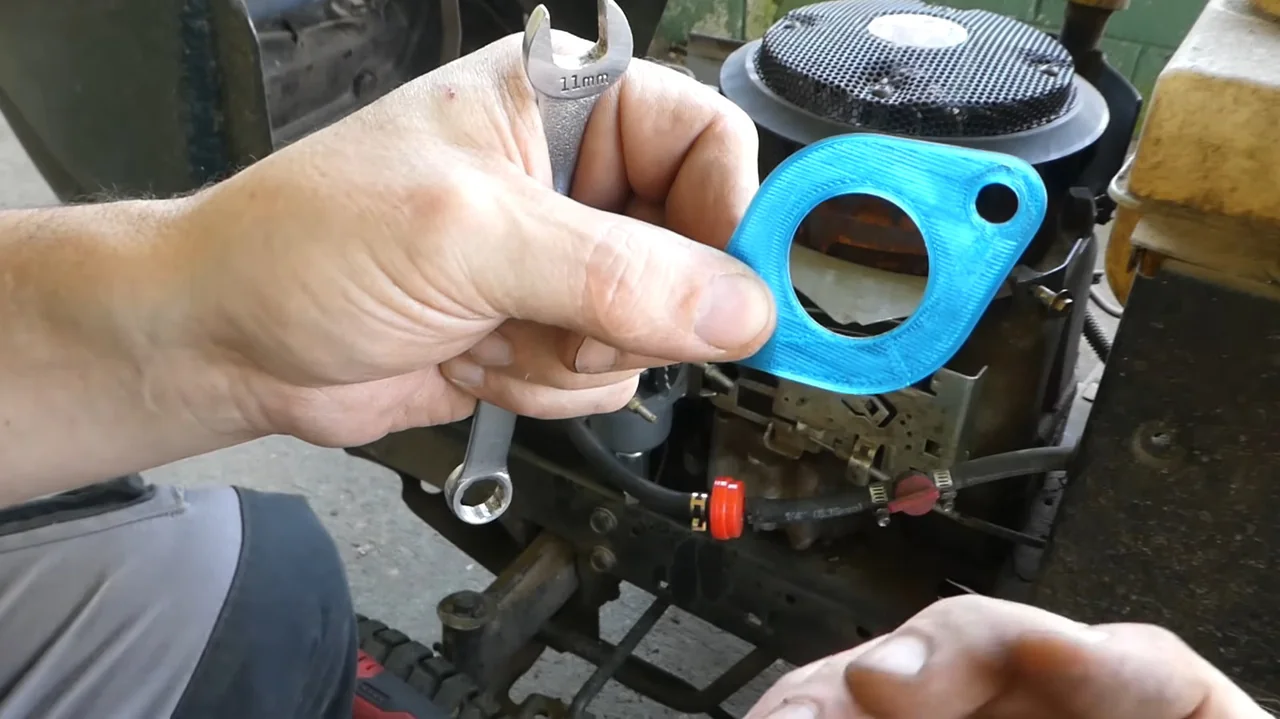
For restoration enthusiasts working on old project cars, finding replacement parts can be a challenge. When a gasket needs to be replaced, it's not uncommon to wonder if 3D printing could be a viable solution. The answer is complex, as different types of gaskets face varying conditions and some are better suited for 3D-printed replacements than others.
The type of gasket needed depends on the specific application, with some parts requiring more durable materials than others. In general, TPU filament, a flexible thermoplastic urethane, can be used to create new gaskets for certain engine components.
However, it's essential to consider the temperatures and pressures at play when using 3D-printed gaskets. The material properties of printed parts vary based on printing quality, and not all materials are suitable for high-pressure or high-temperature applications.
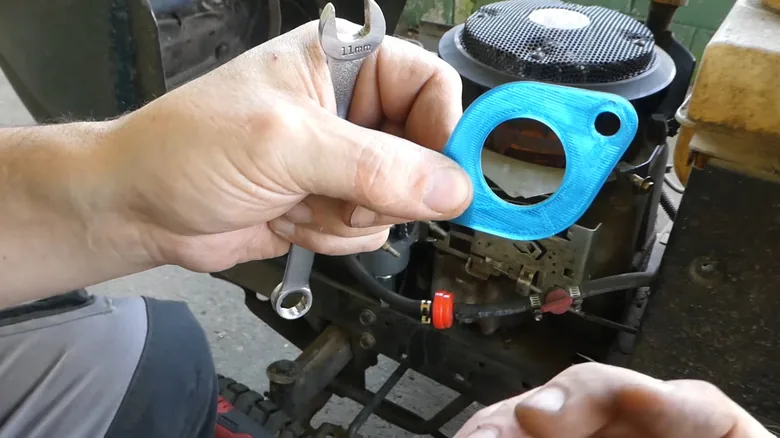
The use of 3D printed gaskets depends on the specific application and material properties.