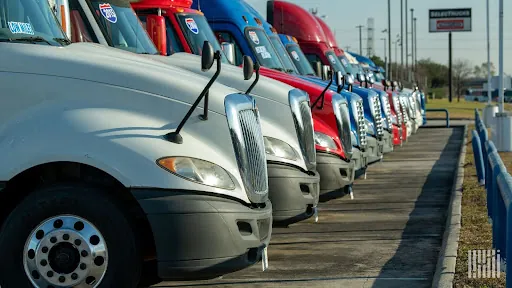



The used truck market has been flooded with inventory in recent months, with prices that are significantly lower than those seen in 2022 and 2023. This sudden influx of real inventory is a direct result of the FMCSA's compliance crackdown of 2026.
The FMCSA has taken significant action to crack down on non-compliant equipment, removing thousands of non-domiciled CDLs from the system, pulling nearly 3,000 training providers from the registry, and revoking over 80 electronic logging devices from the approved list. These measures have created a ripple effect throughout the industry, forcing carriers to reevaluate their purchasing decisions and prioritize compliance.
The cost difference between operating compliantly and non-compliantly has been estimated at $1,000 per month per truck on the low end. Carriers who were making this calculation in favor of cutting corners are now finding that the margin has evaporated, and the enforcement environment has made the risk untenable. As a result, carriers are surrendering authority and pushing equipment back to dealers before the next inspection or audit.

The freight recession economics have been grinding on operations that were already thin. The operators who could absorb three years of compressed margins while staying fully compliant are the ones still running. Those who could not or were never fully compliant are the ones whose trucks are now on dealer lots.
A key consideration for carriers considering a used truck purchase is whether they can determine which category a given truck came from. Without this information, it's impossible to assess the truck's compliance history and potential risks.
The odometer only counts distance, not hours spent idling or engine performance issues. The engine control module knows these details but does not share them with the owner. This lack of transparency makes it difficult for carriers to make informed purchasing decisions.
The flood of non-compliant equipment is forcing carriers to prioritize compliance and reevaluate their purchasing strategies. With the FMCSA's crackdown still in full effect, it's essential for carriers to stay vigilant and ensure that any used truck they purchase meets all relevant safety standards.
As the industry continues to navigate this new landscape, one thing is clear: carriers must be proactive in ensuring compliance with FMCSA regulations. This includes thoroughly inspecting any used truck before purchasing and verifying its compliance history through reputable sources.
The consequences of non-compliance can be severe, including fines, penalties, and even loss of authority. Carriers who fail to prioritize compliance risk facing these consequences, making it essential to stay informed and up-to-date on the latest regulations and best practices.
The used truck market is becoming increasingly complex, with carriers facing a range of challenges and risks. By prioritizing compliance and staying vigilant, carriers can minimize their exposure to these risks and ensure that they're making informed purchasing decisions.
The flood of non-compliant equipment is forcing carriers to reevaluate their purchasing decisions and prioritize compliance.