

The aftermath of a disaster requires a full fleet of heavy equipment, including bulldozers, skid steers, excavators, and utility trucks. However, it's the support vehicles that keep the machinery running in the disaster zones.
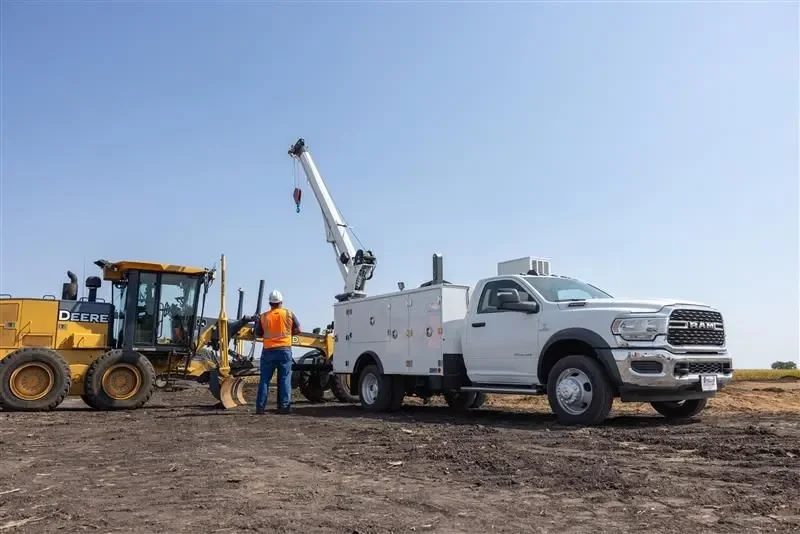
Service trucks, hooklifts, and fuel/lube support vehicles are essential for maintaining productivity during recovery efforts. These vehicles bring repair shops to the field, allowing technicians to respond quickly onsite when issues arise.
This enables equipment to stay up and running in the cleanup zone, reducing the risk of costly delays and lost working days.
The ability of service trucks to perform diagnostics, repairs, and routine maintenance in the field is a critical advantage during disaster recovery operations.
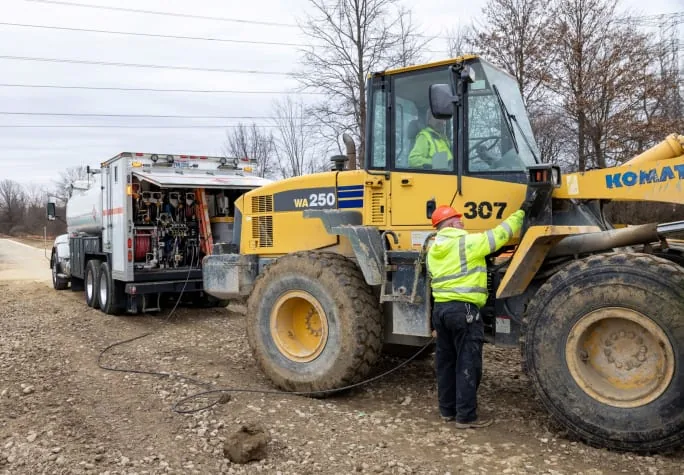
Lube trucks help critical equipment run with easy, on-site maintenance capabilities, further supporting the efforts of crews on the ground.
By providing these specialized services, service trucks can restore equipment to service faster and reduce extended downtime.
Hooklifts can also streamline debris removal by allowing operators to work between multiple locations without interrupting the workflow.
This flexibility helps keep debris and equipment moving while making crews more efficient by allowing more jobs to be done with just one truck.
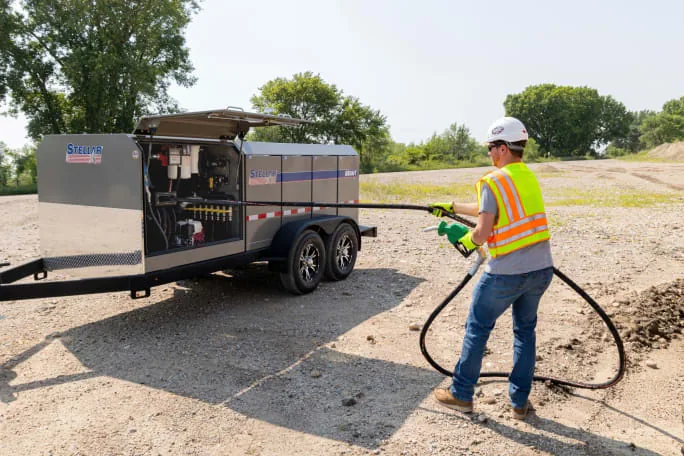
Fuel/lube trucks and trailers help support long-duration operations by supplying necessary fluids directly to active worksites.
These specialized trucks are critical for restoring equipment to service faster and reducing extended downtime during disaster recovery operations.