
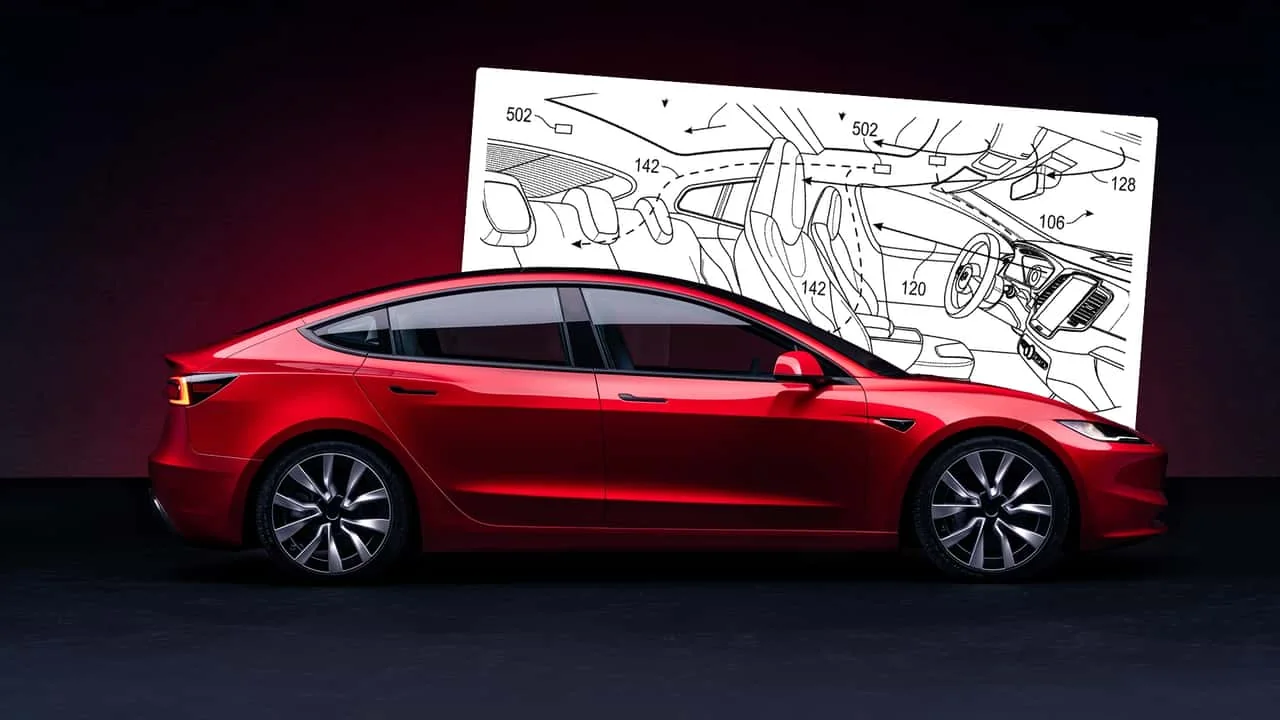
Tesla has filed a patent that outlines its vision for using vacuum technology to improve cooling efficiency in its vehicles. The proposed system involves creating a partial vacuum within the cabin, which would help to remove hot air and reduce temperatures. This approach is expected to enhance the overall driving experience, particularly during hot summer days.
The benefits of this technology are multifaceted. Not only would it improve range by reducing cooling losses, but it could also lead to increased comfort levels for drivers and passengers. By minimizing heat gain, the system would help to maintain a more consistent cabin temperature, resulting in improved fuel efficiency and reduced wear on the vehicle's components.
However, implementing this technology would require significant modifications to the vehicle's design and manufacturing process. The development of a vacuum system capable of effectively removing hot air from the cabin would necessitate innovative solutions for sealing, insulation, and pressure management.
The implications of Tesla's patent are far-reaching, with potential applications extending beyond the automotive industry. Researchers have already explored similar concepts in the realm of building design and construction, where vacuum-based systems can be used to regulate indoor temperatures and reduce energy consumption.
Furthermore, as the demand for electric vehicles continues to grow, manufacturers will need to prioritize innovative solutions that enhance range and efficiency. The development of more efficient cooling systems like Tesla's proposed vacuum technology could play a crucial role in addressing these challenges.
The use of vacuum technology in vehicle design is not without its limitations, however. There are concerns regarding the potential impact on cabin pressure and air quality, as well as the feasibility of implementing such a system at scale.
Despite these challenges, Tesla's patent demonstrates a commitment to pushing the boundaries of innovation in the automotive sector. As the company continues to evolve and improve its products, we can expect to see further advancements in this area.
The adoption of vacuum technology in vehicles is likely to be gradual, with early adopters potentially being early model year or limited-production vehicles. However, as the technology becomes more widespread, we can expect to see significant improvements in range and efficiency across the Tesla lineup.
As the automotive industry continues to shift towards more sustainable and efficient solutions, innovations like Tesla's vacuum technology are likely to play a key role. By reducing energy consumption and improving overall performance, these advancements have the potential to make electric vehicles more appealing to a wider audience.
This innovative approach could significantly impact the electric vehicle industry.