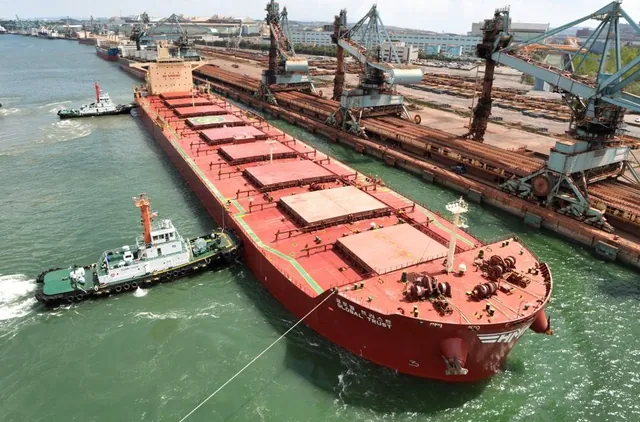

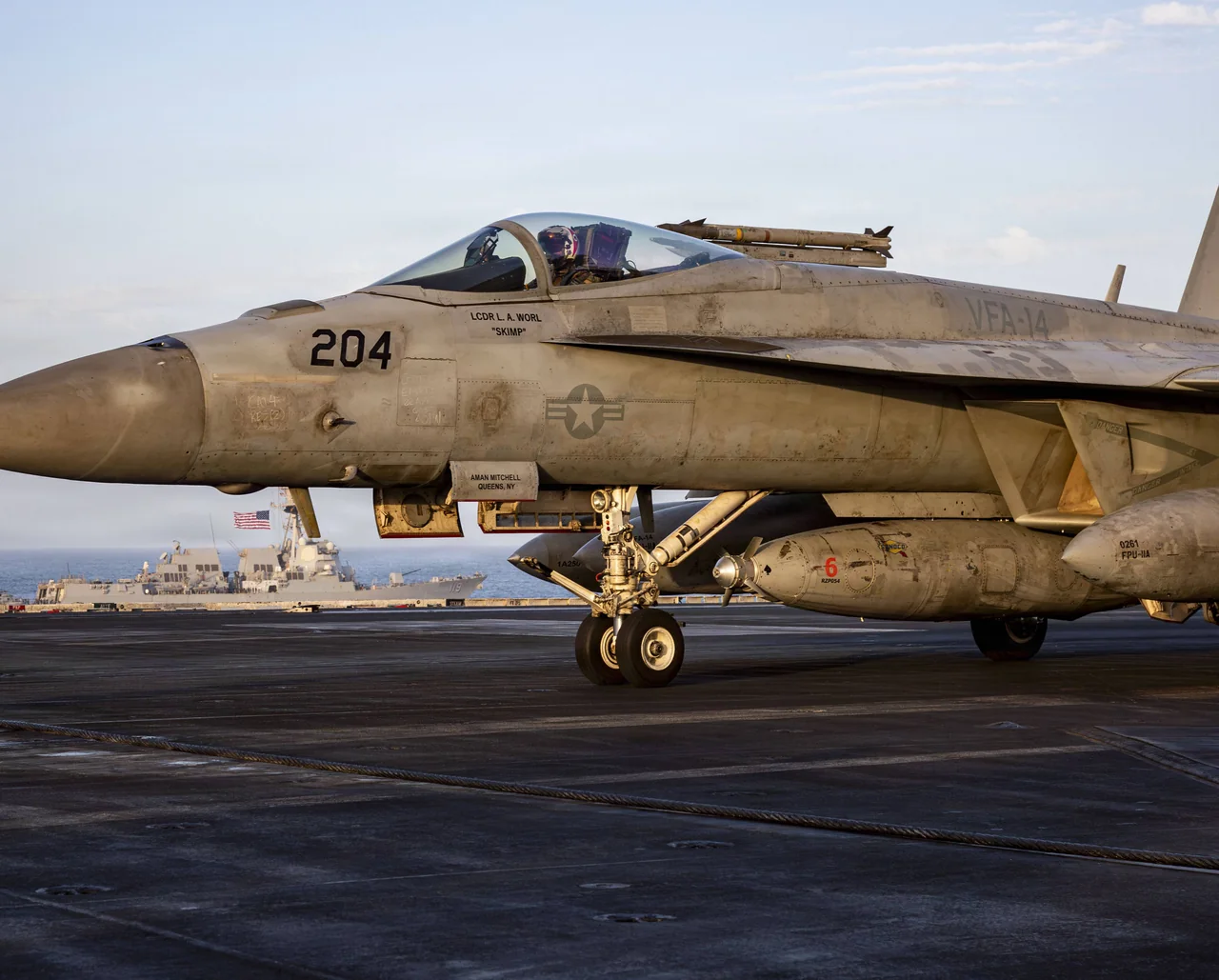
A significant escalation in tensions between the United States and Iran was averted recently, as American forces successfully enforced their naval blockade by disabling an Iranian-flagged oil tanker attempting to sail towards an Iranian port. The incident occurred on May 6, when U.S. Central Command (CENTCOM) forces observed M/T Hasna, an unladen oil tanker, transiting international waters en route to the Gulf of Oman. Despite repeated warnings from American forces, the crew of the vessel failed to comply with instructions and was subsequently disabled by a U.S. Navy F/A-18 Super Hornet launched from USS Abraham Lincoln (CVN 72).
The blockade, which has been in place since 2019, is designed to prevent Iran from using its oil exports as leverage in its relations with other countries. The U.S. has made it clear that any vessel attempting to enter or depart Iranian ports will be subject to enforcement action.
The use of force by American forces was a calculated risk, aimed at preventing the smuggling of Iranian oil without causing harm to the crew or the tanker itself. The fact that the crew of M/T Hasna did not suffer any casualties is a testament to the professionalism and restraint displayed by U.S. naval personnel.
The incident highlights the ongoing tensions between the United States and Iran, which have been marked by a series of military confrontations and diplomatic crises in recent years. The blockade remains an important tool for American policymakers seeking to counter Iranian influence in the region.
The successful enforcement of the U.S. blockade is a significant victory for American naval forces, which have played a key role in maintaining maritime security and stability in the Gulf of Oman. The incident serves as a reminder that the United States will not tolerate any attempts by Iran to circumvent its economic sanctions.
The U.S. blockade against ships attempting to enter or depart Iranian ports is a complex and contentious issue, with significant implications for global energy markets and international relations. The fact that M/T Hasna was able to sail as far as the Gulf of Oman before being disabled highlights the challenges posed by the blockade in enforcing compliance.
The incident raises questions about the effectiveness of the U.S. blockade in achieving its intended goals. While it has undoubtedly disrupted Iranian oil smuggling operations, it remains unclear whether the blockade is having a broader impact on Iran's economy or regional influence.
The successful enforcement of the U.S. blockade by American forces demonstrates the capabilities and reach of the U.S. military in the region. The incident serves as a reminder that the United States will not hesitate to take action to protect its national interests and maintain maritime security.
The blockade remains an important tool for American policymakers seeking to counter Iranian influence in the region. The fact that M/T Hasna was disabled without causing harm to the crew or the tanker itself highlights the professionalism and restraint displayed by U.S. naval personnel.
As tensions between the United States and Iran continue to simmer, the successful enforcement of the U.S. blockade serves as a significant victory for American naval forces. The incident underscores the importance of maintaining maritime security and stability in the Gulf of Oman.
The U.S. has shown its commitment to maritime security and stability in the region.