


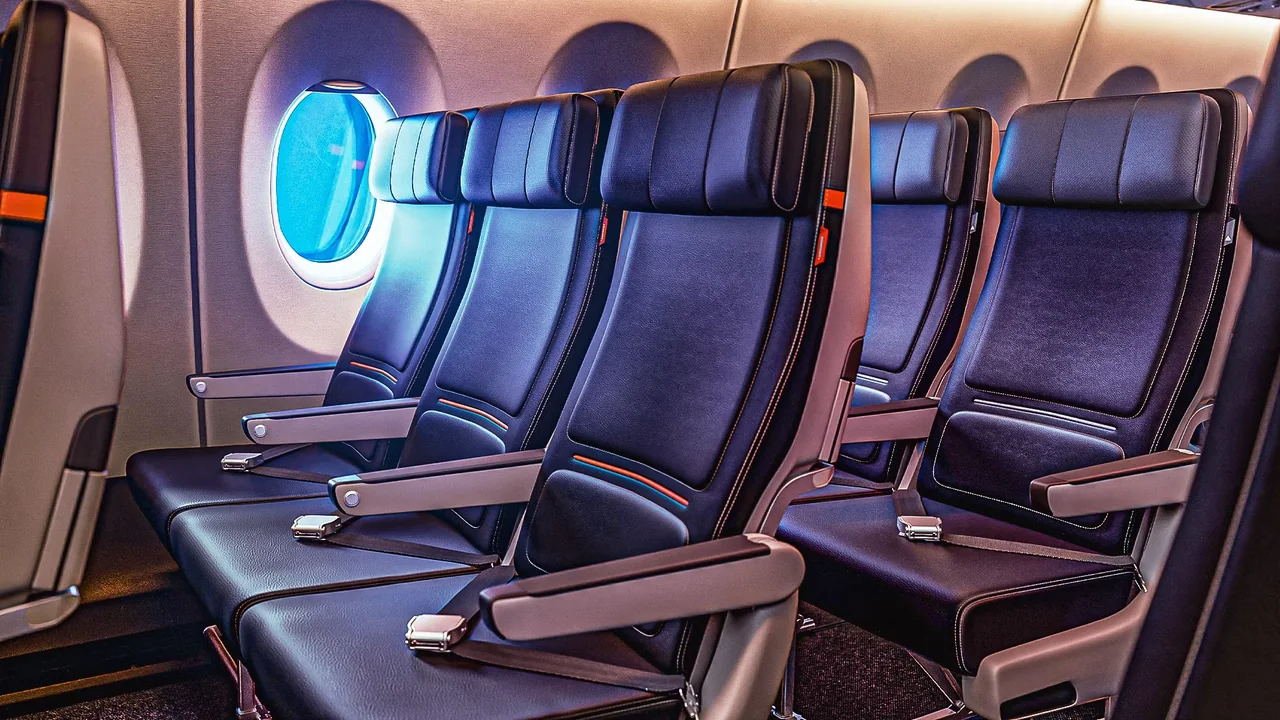
The aviation industry's pursuit of profit has led to a deliberate strategy of reducing passenger comfort in standard economy seating. Over the past five decades, the average economy seat has lost several inches of legroom, transforming affordable economy seating from a relatively comfortable travel experience to one that is cramped and crowded on most major US airlines. This shift in economic strategy is the result of many decades of incremental change in the aviation industry.
The reduction in legroom may seem minor, but it translates directly into higher revenue per flight for airlines. By fitting more seats on an aircraft, carriers can generate thousands of additional dollars on every departure, especially when flights are full. This added density also creates a strong incentive for passengers to pay for extra-legroom options.
As airlines continue to optimize their cabins for revenue rather than space, passenger comfort in economy class is becoming increasingly compromised. The deliberate tightness of standard economy creates a stark divide between different seats in the same cabin, with premium seating products offering significantly higher revenue per square foot.

The financial impact of this strategy is substantial when scaled across an airline's network. Premium seating products have become some of the fastest-growing and most profitable segments for carriers, attracting both leisure travelers willing to splurge and business travelers trading down from more expensive cabins.
In effect, airlines are no longer just selling transportation; they are carefully segmenting comfort itself, converting inches of legroom into a reliable and expanding profit engine. This approach has led to a significant increase in airline profits, but at what cost to passenger satisfaction?
The trend towards tighter seating is not unique to US carriers, with many international airlines also adopting similar strategies. However, the impact on passengers may be more pronounced in the US market, where competition for leisure travel is particularly fierce.

As airlines continue to prioritize profit over passenger comfort, it remains to be seen whether this strategy will have long-term consequences for the industry as a whole. Will passengers become increasingly willing to pay for premium seating options, or will they demand greater changes to alleviate the effects of tighter seating?
The shift towards premium economy and extra-legroom seats is also driven by changing consumer behavior. With more travelers seeking comfort and convenience on their flights, airlines are responding by offering upgraded products that cater to this demand.
In conclusion, the airline industry's focus on profit over passenger comfort has led to a significant shift in the way airlines design their cabins. As the trend towards tighter seating continues, it will be interesting to see how passengers respond and whether airlines will continue to prioritize revenue growth over passenger satisfaction.

Airlines' focus on profit over passenger comfort has led to a significant shift in the way airlines design their cabins.


