


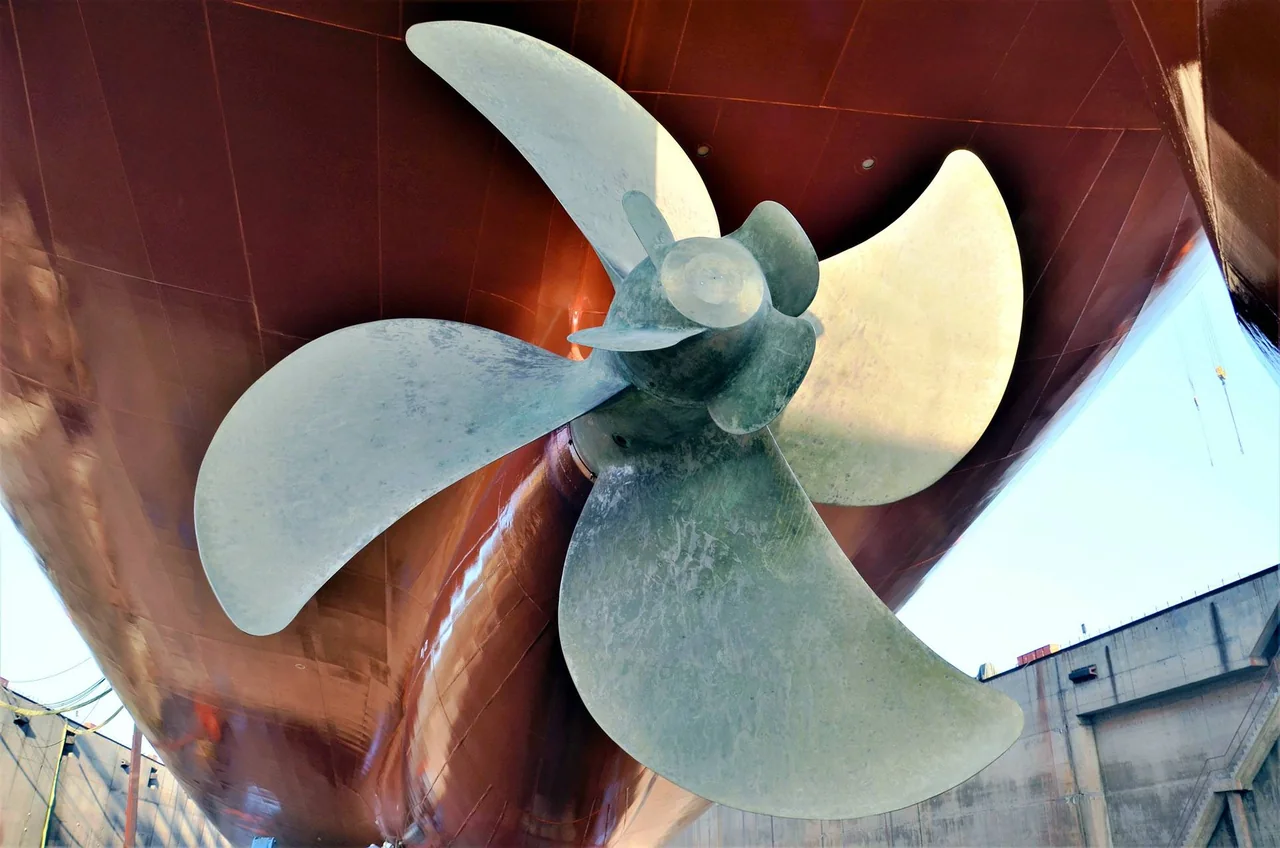
The Committee approved a technical guidance circular on co-optimizing propulsion equipment for energy efficiency and underwater radiated noise at the design and retrofit stage. This new guidance aims to clarify potential trade-offs between noise mitigation and conventional propeller design, promoting the co-benefits of quiet ship technologies and energy performance.
Case studies presented at an earlier workshop demonstrated that retrofits, such as propeller upgrades, appendage modifications, and air lubrication systems, can yield underwater radiated noise reductions of 2–10 dB, often alongside energy efficiency improvements. These results highlight the potential for significant noise reduction through targeted retrofitting efforts.
Effective design optimization requires precise definition of ship operating profiles and related speed ranges rather than relying on a maximum-speed design point. This approach ensures that the benefits of quiet ship technologies are not compromised by conventional propeller design choices.
Design optimization should move beyond generic approaches, focusing instead on tailoring strategies to specific ship operational conditions and speed ranges. By doing so, the industry can unlock more efficient and effective noise reduction solutions.
The industry has now progressed beyond simple trade-offs, developing holistic approaches that preserve the ship's core performance characteristics. This shift towards a more integrated design process is crucial for achieving sustainable shipping goals.
Several empirical and semi-empirical methods exist for estimating underwater radiated noise and cavitation, one of its main sources. These methods are increasingly being implemented in onboard systems that can provide real-time data, enabling adaptive measures such as route planning to reduce both noise and fuel consumption.
The adoption of these advanced technologies has the potential to significantly impact the shipping industry's environmental footprint. As the global fleet continues to grow, reducing underwater radiated noise and energy consumption will become increasingly important for mitigating climate change.
By embracing this new guidance and adopting more efficient design approaches, the shipping industry can make meaningful progress towards a more sustainable future. This will require continued investment in research and development, as well as collaboration between shipowners, operators, and regulatory bodies to drive innovation and adoption.
The industry has progressed beyond simple trade-offs, developing holistic approaches that preserve core performance characteristics.