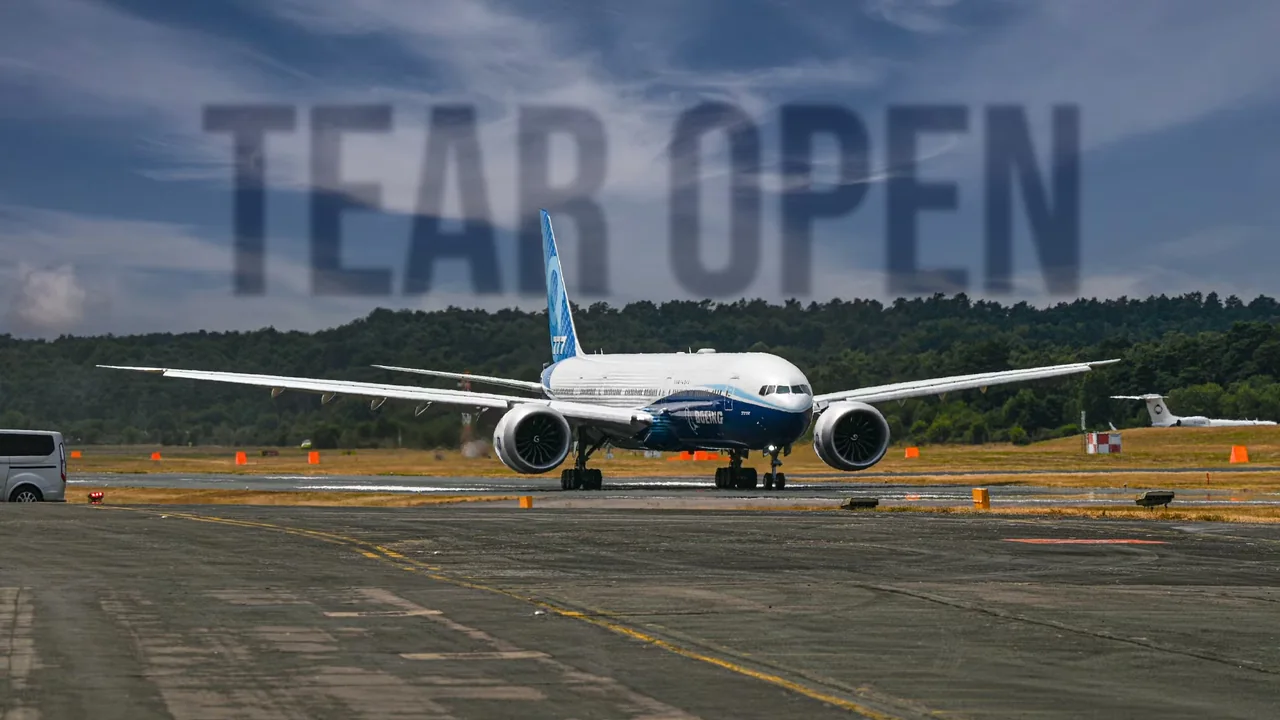
Recently, Boeing's CEO disclosed that some completed Boeing 777X aircraft sitting in storage will require a 'change incorporation' process before they can be delivered to airlines. The rework stems from design changes identified during the prolonged certification flight test program: older airframes require the most extensive modifications, including structural changes, while newer builds require only minor software and systems updates. This revelation raises serious questions about the true cost of Boeing's build-and-store strategy for airlines like Emirates and Lufthansa. The complexity of the 777X program has led to significant modifications, affecting delivery timelines and costs.
The Boeing 777X program was launched in 2013 as a natural evolution of the successful 777 family, promising enhanced fuel efficiency, an updated wing design, and new, larger engines. The objective was to offer Boeing a competitive advantage in the highly competitive long-haul twin-aisle market dominated by Airbus's successful A350 , while providing airlines with greater capacity and efficiency. Therefore, the 777X features, among others, GE9X engines and innovative folding wingtips.
The 777X has been in production for quite some time now, earning the title of one of the most delayed aircraft in aviation history. As of early 2026, it remains in flight testing, with deliveries now expected to begin in 2027 following multiple delays. The issues with this aircraft continue to mount.

During Boeing's Q1 2026 earnings call on April 23, CEO Kelly Ortberg delivered another setback : approximately 30 already-built 777X aircraft will require a
The complexity of the 777X program has led to significant modifications, affecting delivery timelines and costs.