
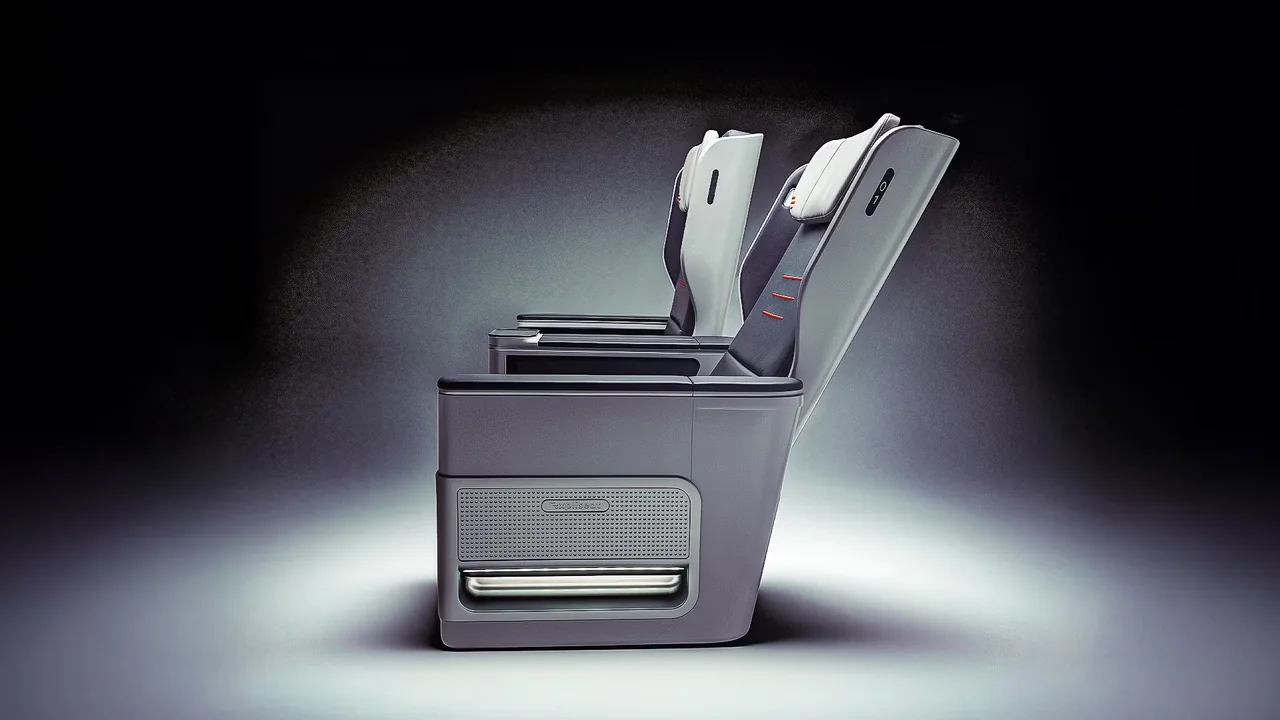
The aviation industry has long been bound by the constraint of weight in aircraft seating. Regional jets, in particular, are limited by their smaller size and tighter margins, making every additional kilogram feel disproportionately significant. The unveiling of Expliseat's TiSeat S at Aircraft Interiors Expo 2026 marks a potential turning point in this equation.
By leveraging cutting-edge materials like titanium and carbon fiber, the company has achieved a reported 40% reduction in seat weight. This breakthrough not only introduces a new product but also challenges a long-standing industry limitation. As a result, it raises fundamental questions about what is possible in regional aviation.
The physics of aircraft seating have traditionally dictated what can be done in terms of comfort and premium features. However, with the introduction of lightweight materials, this constraint is beginning to loosen. The question now is: what happens when weight no longer becomes an insurmountable barrier to business-class comfort?

Aircraft manufacturers like Embraer and Bombardier operate within tight margins, making them particularly sensitive to weight increases. Regional jets, which carry between 70 and 90 passengers, are especially affected by the cumulative impact of premium seats. Each seat accounts for a larger share of total mass compared to wider-body aircraft.
The regional jet's smaller size means that every additional kilogram can have a direct impact on fuel burn, climb performance, and route economics. This dynamic has historically forced airlines into compromise, opting for 'premium economy-plus' seating rather than fully-featured business class products.
Carriers have opted for a solution that signals hierarchy without delivering the full experience passengers associate with business class. The core problem remains unchanged: as comfort increases, weight rises disproportionately, outpacing any potential benefits of premium features.

The introduction of lightweight materials like titanium and carbon fiber is a game-changer for regional aviation. With the TiSeat S, Expliseat is pushing the boundaries of what is possible in terms of comfort and premium features without sacrificing operational efficiency.
As the industry continues to evolve, it will be interesting to see how airlines respond to this new technology. Will they adopt fully-featured business class products, or will they continue to compromise on comfort for the sake of weight savings?
The potential impact of the TiSeat S extends beyond regional aviation, with implications for the broader aviation industry. As manufacturers and airlines begin to explore new materials and designs, we can expect to see further innovations in aircraft seating and premium features.

Ultimately, the introduction of lightweight materials like titanium and carbon fiber marks a significant shift in the aviation industry's approach to aircraft seating. With this breakthrough, regional jets may finally have the opportunity to deliver true business-class comfort without sacrificing operational efficiency.
The introduction of lightweight materials like titanium and carbon fiber is a game-changer for regional aviation.