
Semi trucks may seem like simple workhorses, but they're actually far more versatile than meets the eye. One key factor that enables them to take on more advanced roles is the presence of wet kits.
These extra systems allow semi trucks to power hydraulic equipment such as dump trailers, blowers, and walking floors. However, these extras require hydraulic power, which is where the wet kit comes in.
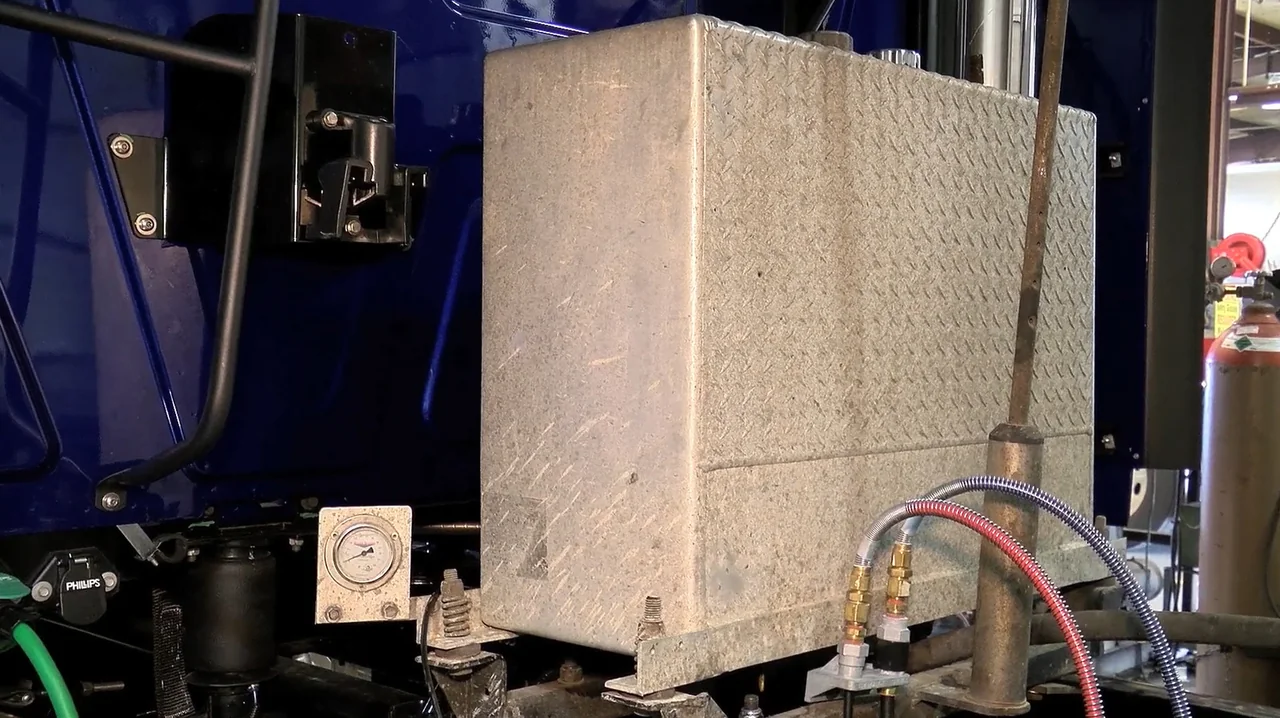
The wet kit system works by using the truck's engine to provide power through the transmission, which runs a hydraulic pump to move pressurized hydraulic fluid from a reservoir.
This process relies on 'wet' hydraulic fluid rather than mechanical or electrical power. The oil heats up during this process, forcing the truck to cool and filter it.
While the concept of wet kits may seem straightforward, there are intricacies to each type, including single-line, dual-line, and three-line configurations.
The choice of wet kit configuration depends on the style of accessory being powered. Single-line setups use one hose and are ideal for basic jobs, but weaknesses can show in more demanding circumstances.
Dual-line systems use two hoses and are suitable for more frequent use, while three-line systems introduce a separate return line to reduce pressure and handle heavier operations.
Wet kits require regular maintenance to ensure optimal performance. This includes checking the hydraulic fluid and using the correct grade of oil.
Proper maintenance is crucial to extending the life of wet kit components and preventing costly repairs.
Wet kits are a critical component in the operation of semi trucks, requiring regular checks and maintenance to ensure optimal performance.