

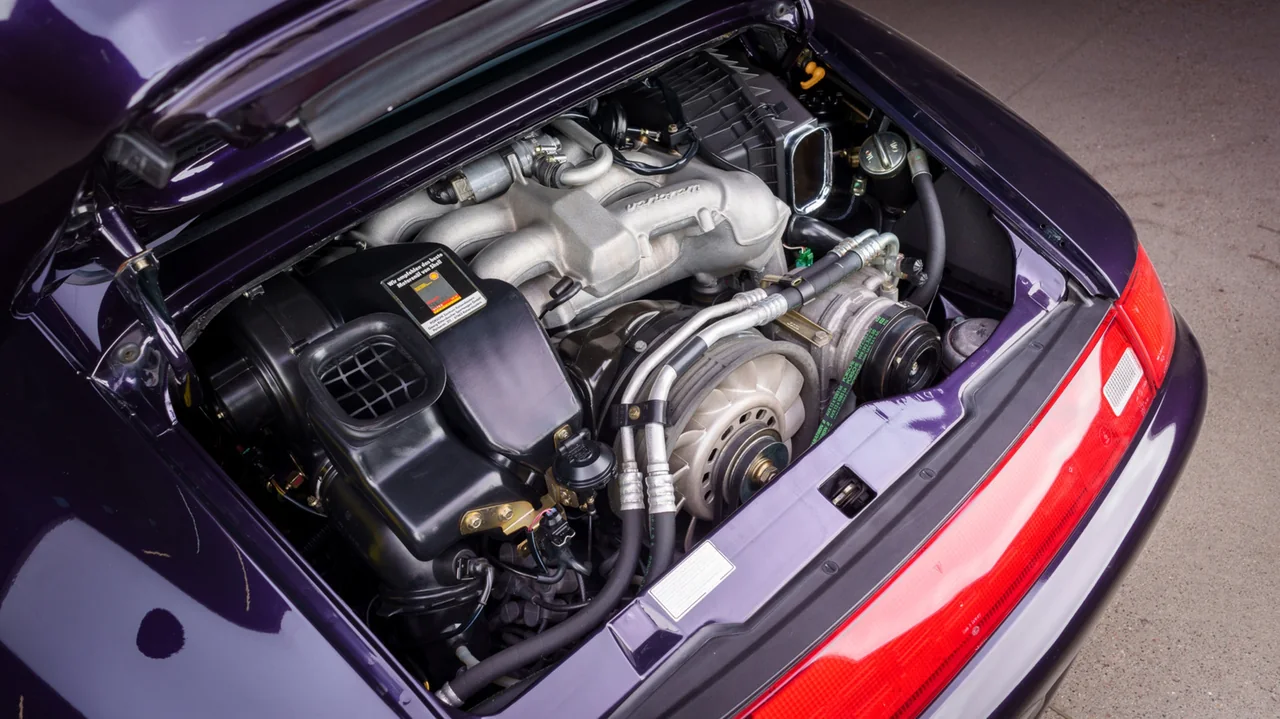
Porsche's iconic 911 has been associated with flat-six engines since its introduction in 1963, but that wasn't always the case. The company's motorsport division played a significant role in shaping the brand's engine configurations.
Prior to the flat-six, Porsche experimented with various engine designs, including a legendary air-cooled flat-12 for the 917 racecar and a massive naturally aspirated flat-16 engine.
The brand's focus on winning led to the creation of powerful engines, but also resulted in failures like the Type 3512 V12 for the Footwork-Arrows F1 team in 1991.
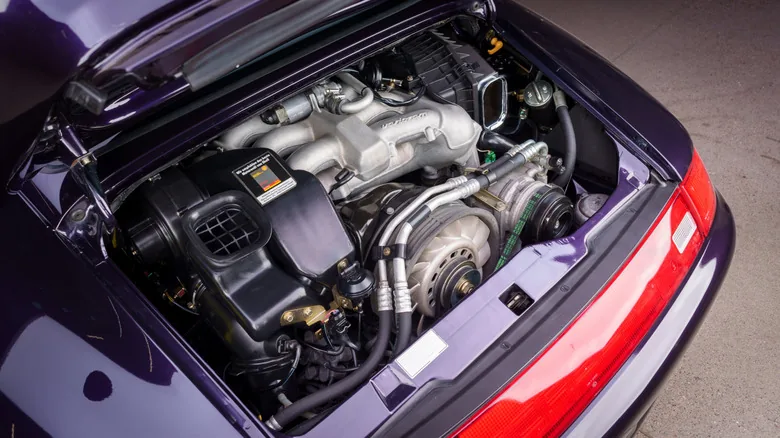
Porsche's road-going cars have featured a range of engine configurations, including inline-four, V6, and even a V10 engine.
The flat- and inline-four engines were used to create more affordable sports cars, such as the 912, which was lighter and more balanced than its predecessor.
In the '70s, Porsche adopted the Transaxle era with inline-four engines, which marked a significant shift in the brand's approach to engine design.
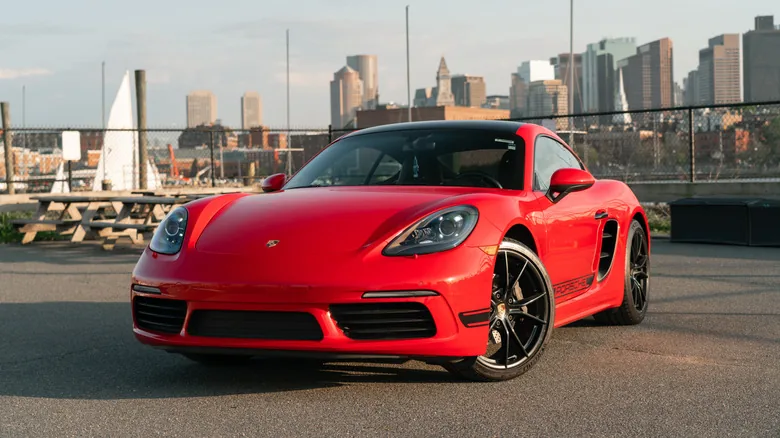
The 944 and 968 featured large four-cylinder engines that produced impressive horsepower, demonstrating Porsche's ability to balance performance and weight distribution.
Today, the four-cylinder lives on in forced induction and flat-four guise in the 718 Boxster and Cayman, showcasing the brand's commitment to innovation and precision.
Porsche's V6 engine has also evolved over the years, with the current design featuring twin-scroll hot-V dynamics that enhance performance and efficiency.
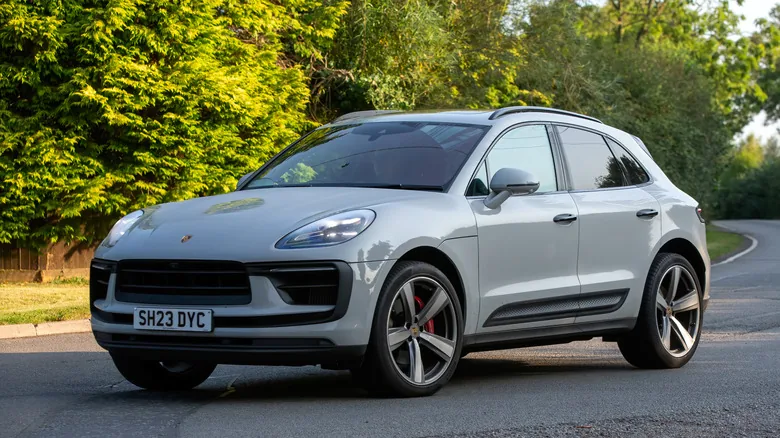
Porsche's engine diversification showcases the brand's commitment to innovation and performance.