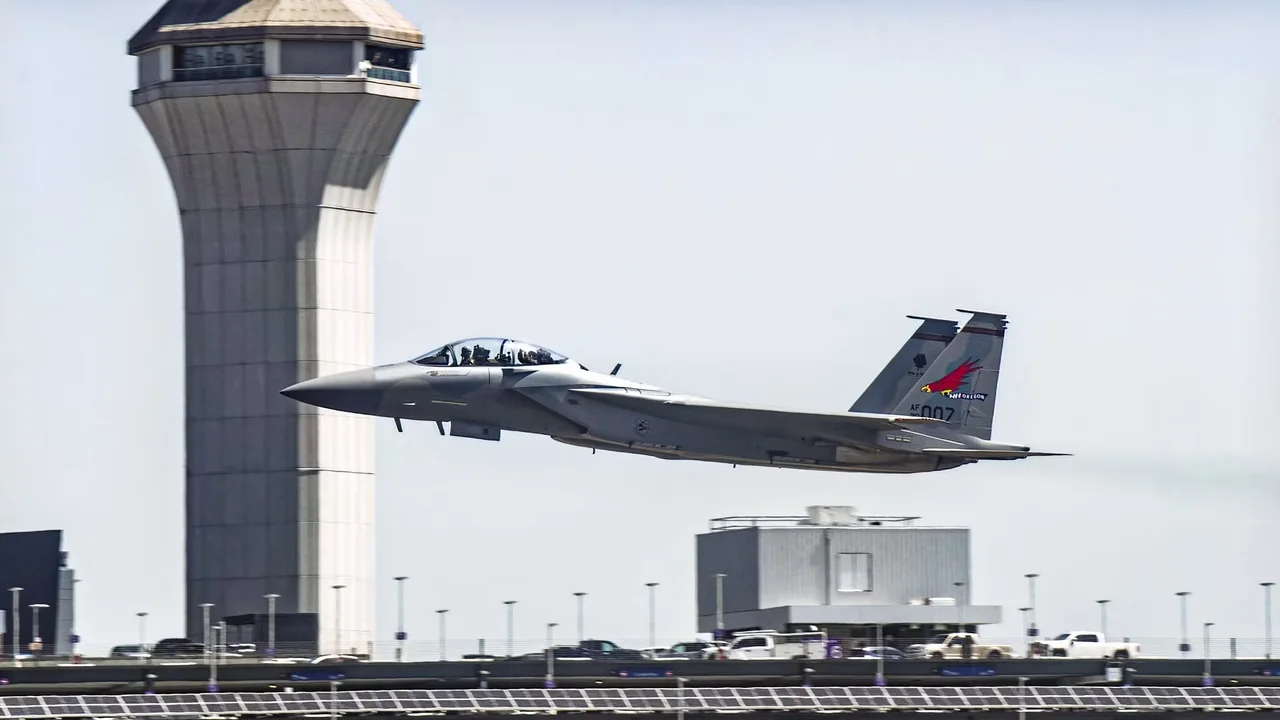
The US Air Force has significantly increased its order for the F-15EX, an enhanced variant of the F-15 fighter jet, to more than double its current size. This move aims to keep the platform competitive and lethal while maintaining fiscal discipline in the face of rising fifth-generation aircraft costs.
The F-15EX is a vital component of the US Air Force's efforts to maintain a strong combat-capable fleet, particularly in the Indo-Pacific region where deterrence and reassurance are crucial. The additional aircraft will enable the air service to enhance its presence and capabilities in this critical region.
The planned procurement program increase from 129 aircraft to 267 is driven by the expected revenue growth of approximately 25 percent to $267.7 billion, which will allow the USAF to raise its procurement to about 30% and research and development by 27%. This strategic move will aid in reversing a long-term trend of fighter fleet aging and shrinking.

The F-15EX program is expected to run into the 2030s with deliveries per year aiding in this goal. The aircraft's industrial output is also noteworthy, with Boeing delivering around a dozen updated F-15s annually in recent years.
The increased procurement budget will enable the USAF to continue investing in the development of advanced fighter jets like the F-35A, which is expected to play a significant role in the air service's future capabilities.
The decision to double down on the F-15EX also reflects the ongoing challenge posed by China's rapidly expanding military capabilities. The Chengdu J-20 alone is expected to have a fleet size of over 1000 aircraft by 2030 and 1,500 by 2035, making it essential for the US Air Force to maintain its own fighter fleet strength.

The F-15EX Eagle II has been in service since the Cold War era, and its continued production is a testament to its enduring relevance. Despite being an older aircraft compared to newer models like the F-35, the F-15EX remains competitive due to its advanced capabilities and cost-effectiveness.
The USAF's decision to prioritize the F-15EX over other options highlights the importance of maintaining a balanced fleet that can address emerging threats while also meeting budgetary constraints.
The increased procurement program will have significant implications for the US Air Force's future operations, particularly in terms of its ability to project power and defend against emerging threats. The long-term success of this initiative will depend on the air service's continued investment in advanced fighter jets like the F-15EX.

The F-15EX program will likely run into the 2030s with deliveries per year aiding in reversing a long-term trend of fighter fleet aging.