

Cabin crew and pilots rely on crew rest areas to avoid fatigue, which can compromise safety. As the aviation industry evolves, so does the need for crew rest strategies. The introduction of single-aisle aircraft with extended range capabilities is forcing airlines to reevaluate their approach to long-haul flights. One such aircraft is the Airbus A321XLR, which presents a unique challenge in terms of crew rest areas.
The crew rest area is an essential component of any long-haul flight, providing pilots and cabin crew with a designated space to rest during extended periods. These areas typically feature bunks or lie-flat seats, designed to ensure crew comfort and safety. However, as single-aisle aircraft become more prevalent, the need for traditional crew rest facilities is being reassessed.
According to the Federal Aviation Administration (FAA), there are three classes of crew rest facilities: Class one, Class two, and Class three. These classifications are based on the maximum flight duty period and provide a framework for airlines to design their crew rest areas. However, with the A321XLR's limited space, it is likely that flights will not be long enough to require Class one facilities.

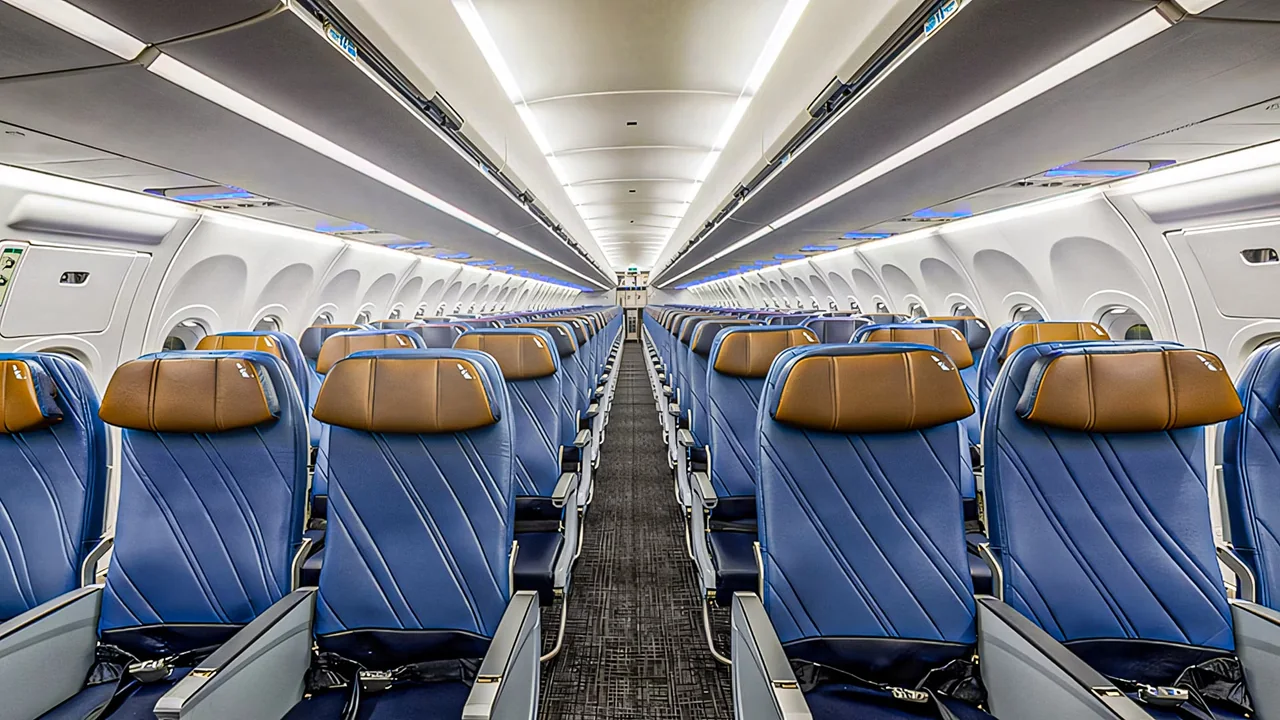
In this scenario, seats may be curtained off for crew use or alternative arrangements made to accommodate the crew's needs. The absence of dedicated crew rest areas poses a challenge for airlines, as these facilities take up valuable space and are expensive to install. Moreover, rest areas must comply with regulations and Flight Time Limitations (FTLs) set by the airline.
The positioning of crew rest areas can vary depending on the aircraft type and flight requirements. For pilots, the small room near the cockpit provides a convenient location for urgent returns to duty. Cabin crew rest areas, on the other hand, often feature multiple bunks or lie-flat seats, designed to accommodate the needs of large crews.
The cabin crew rest area is typically smaller than that for pilots and features between six and ten bunk beds. Each bunk can be curtained off for privacy, ensuring a comfortable environment for crew members. The 'coffin style' seating arrangement allows for efficient use of space while maintaining individualized comfort.

As airlines adapt to the A321XLR's limitations, innovative solutions will be necessary to ensure crew rest and safety. With flights potentially ranging between eight and eleven hours, the need for effective crew rest strategies is more pressing than ever.
The shift towards single-aisle aircraft demands a rethinking of traditional crew rest approaches. Airlines must balance the need for crew comfort with the constraints of limited space and regulatory requirements. By prioritizing crew well-being and safety, airlines can ensure a positive passenger experience.
As the aviation industry continues to evolve, it is essential that crew rest areas are designed with the needs of modern pilots and cabin crews in mind. By embracing innovation and flexibility, airlines can create safe and comfortable environments for their crew members, ultimately enhancing the overall travel experience.

The shift towards single-aisle aircraft demands innovative solutions for crew rest.