
Korean Register (KR) has taken a leading role in the International Maritime Organization's (IMO) efforts to regulate ammonia emissions from ships. As part of its work, KR is serving as the Coordinator of two expert groups focused on key marine environmental areas: ammonia effluent management and response procedures for nitrogen oxides (NOx) reduction strategy failures.
The growing demand for zero-carbon alternatives in the shipping industry has led to increased interest in ammonia-fueled vessels. However, the high toxicity of ammonia means that it can generate effluent during vessel operation, creating a regulatory gap in the absence of internationally agreed management standards.
KR established a joint working group with government agencies, research institutions, and major Korean shipbuilders to build technical and regulatory foundations for ammonia emissions regulation. This groundwork has led to IMO's decision to advance the formal consideration of ammonia effluent to 2027, ahead of its originally scheduled timeline.
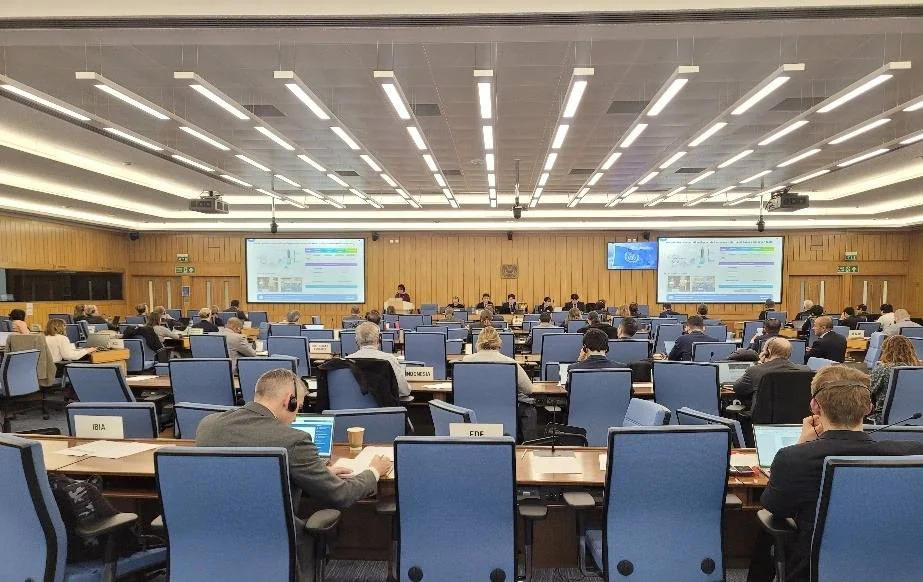
The outcomes of this effort have been presented at the 13th session of the IMO Sub-Committee on Pollution Prevention and Response (PPR 13) in February 2026. As a result, IMO has decided to formalize the consideration of ammonia effluent in 2027, paving the way for international guidelines on its management.
A new expert group on ammonia effluent management has been established, with Senior Surveyor KIM Joonghun of KR's Convention & Legislation Service Team serving as Coordinator. The group will operate until PPR 14 and will focus on key agenda items including definition and scope of ammonia effluent, marine environmental impact assessment criteria, monitoring and record-keeping frameworks, and data collection and sharing arrangements.
In parallel, KR is also serving as the Coordinator of a separate expert group focused on developing guidelines for NOx reduction strategy failures and associated response procedures. Deputy Senior Surveyor KIM Changkyu leads these discussions, providing practical support to shipowners and port authorities in implementing international regulations.
The development of international guidelines on ammonia emissions regulation will require continued industry collaboration and investment in research and development. The outcomes of both groups are expected to serve as foundational references for the development of international guidelines at future IMO PPR sessions.
Global cooperation is essential to address the marine environmental impact of shipping. The success of these efforts will depend on the ability of countries, industries, and stakeholders to work together to develop effective regulations and standards.
The adoption of ammonia-fueled vessels as a zero-carbon alternative for shipping presents both opportunities and challenges. As the industry continues to evolve, it is crucial that regulatory frameworks keep pace with technological advancements.
The development of international guidelines on ammonia emissions regulation will require continued industry collaboration and investment in research and development.