
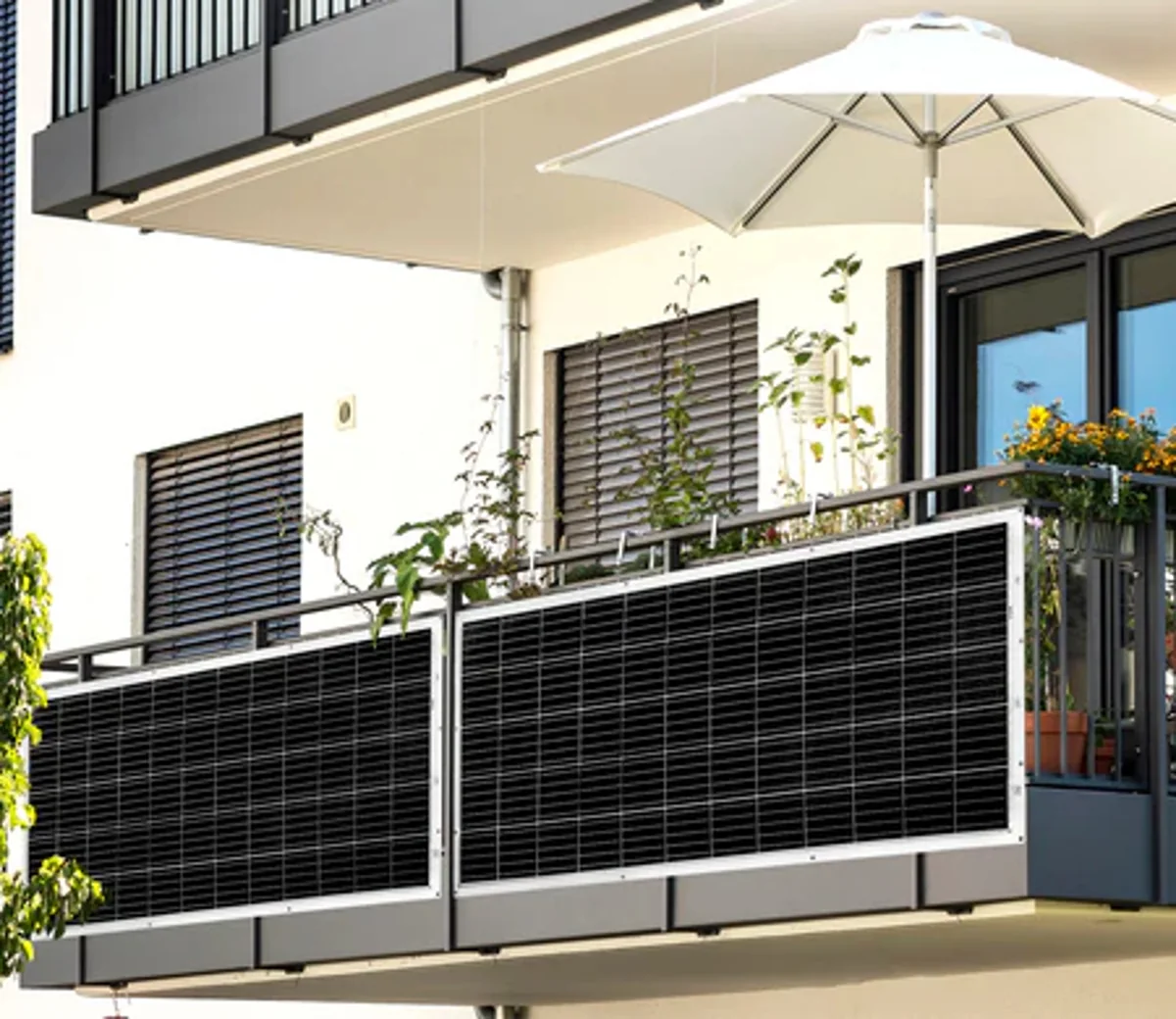
Colorado Governor Jared Polis has signed new legislation, HB26-1007, which removes many of the barriers to balcony solar systems. This means that residents in apartment and condominium buildings can now install solar panels on their balconies without facing significant obstacles. The law takes effect on January 1, 2026, and will allow plug-in solar systems to be used without being prohibited or charged fees for by utility companies. Homeowner associations and landlords are also barred from unreasonably prohibiting the use of these systems.
The new legislation is a major step forward in expanding access to clean energy solutions in Colorado. By removing barriers to balcony solar, the state is making it easier for residents to reduce their carbon footprint and lower their utility bills. This move is expected to increase grid reliability at peak times and move Colorado closer to achieving its ambitious clean energy goals.
The balcony solar industry is not intended to replace regular rooftop solar installations but rather serves as a way to make clean energy more accessible to a wider range of people. The law specifies that devices must have a feature preventing them from energizing the grid during a power outage and encourages the use of meter collar adapters to connect panels to the utility infrastructure.

Colorado is only the second US state to specifically approve balcony solar, following Utah's lead. However, many other states are considering similar legislation. California, New York, and Virginia are among those looking to adopt similar laws that will expand access to clean energy solutions.
The new law has been praised by advocates for clean energy and consumer choice. Senator Cathy Kipp, one of the sponsors of the bill, stated that Coloradans should be able to pursue plug-in solar technology without unnecessary barriers. This move is expected to have a positive impact on the environment and reduce carbon emissions.
Balcony solar systems are designed to be smaller and more compact than traditional rooftop solar installations. They are also often less expensive, making them a more accessible option for residents who may not be able to install larger solar panels on their roofs.
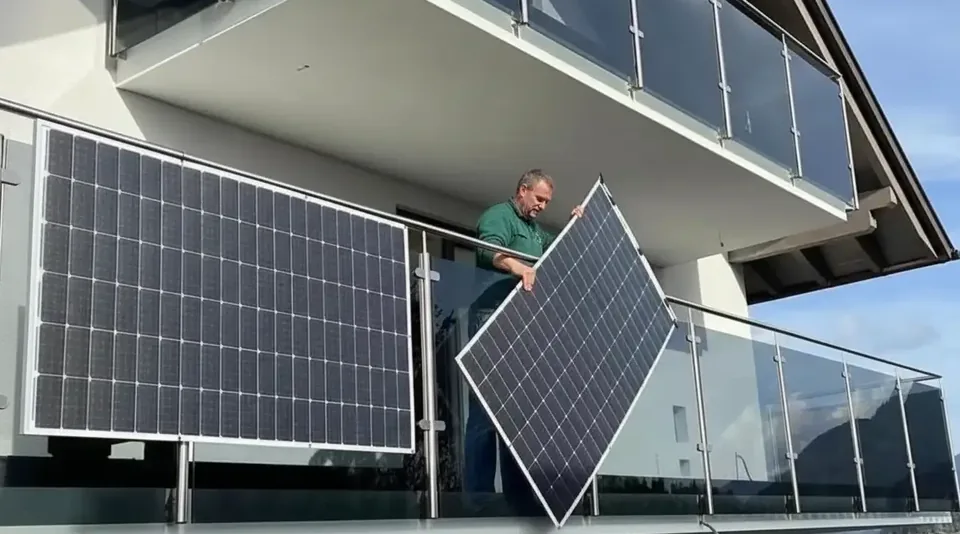
The expanded access to balcony solar systems is expected to have a significant impact on the clean energy market. As more states adopt similar legislation, the industry is poised for growth and innovation.
By removing barriers to balcony solar, Colorado is leading the way in reducing obstacles to clean energy solutions. This move is expected to inspire other states to follow suit and make clean energy more accessible to a wider range of people.
The adoption of balcony solar systems will also have a positive impact on grid reliability at peak times. By providing a reliable source of energy, these systems can help reduce the strain on the grid during periods of high demand.
As the clean energy market continues to evolve, it is essential that states like Colorado prioritize accessibility and affordability. The expanded access to balcony solar systems is a major step in this direction.
The balcony solar industry is poised for growth as more states adopt similar legislation.