

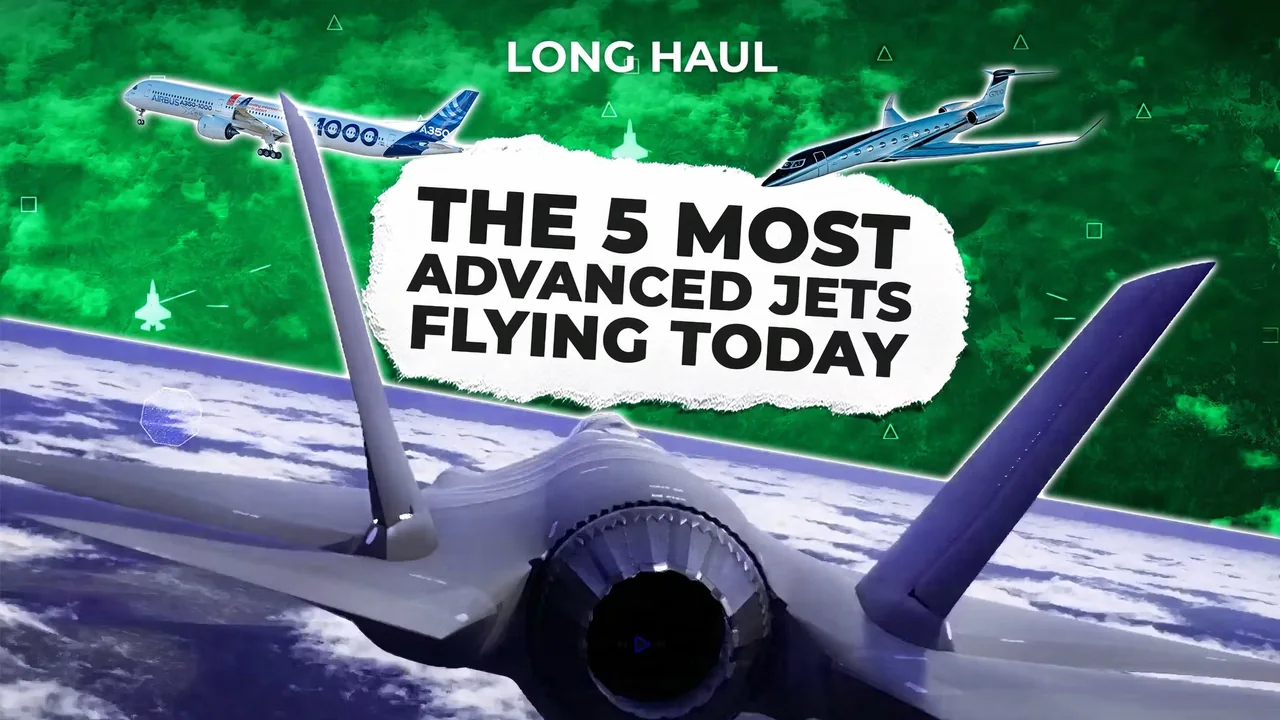
The aviation industry is witnessing a significant shift towards technological advancements, with aircraft playing a crucial role in this transformation. From massive superjumbo jets to business jets and fighter jets, the latest aerospace technology is redefining the flying experience. The focus on enhanced situational awareness and reduced pilot fatigue through automation that acts as a partner rather than just a tool is driving innovation across various platforms.
The cutting-edge aircraft being showcased in this video are pushing the limits of automation, aerodynamics, and more. These advancements are not only improving safety but also enhancing the overall flying experience for passengers and pilots alike. The emphasis on automation as a partner rather than just a tool is a significant departure from traditional approaches, where pilots relied solely on human judgment to navigate complex flight scenarios.
One of the most technologically advanced aircraft being featured in this video is the superjumbo jet. With its advanced automation systems, this massive aircraft is capable of reducing pilot fatigue and enhancing situational awareness through real-time data analysis. This shift towards automation is not only improving safety but also allowing pilots to focus on higher-level tasks that require human expertise.
The business jet segment is also witnessing significant advancements in technology, with many models featuring advanced automation systems. These systems are designed to reduce pilot workload and enhance situational awareness, enabling pilots to make more informed decisions during flight. The use of advanced materials and aerodynamics is also playing a crucial role in improving fuel efficiency and reducing emissions.
The fighter jet segment is another area where technological advancements are having a significant impact. With the introduction of advanced automation systems, fighter jets are becoming increasingly capable of autonomous flight modes. This shift towards autonomy is not only improving safety but also enabling pilots to focus on higher-level tasks that require human expertise.
In addition to these aircraft, other models such as the regional jet and commercial airliner are also featuring advanced automation systems. These systems are designed to reduce pilot workload and enhance situational awareness, enabling pilots to make more informed decisions during flight. The use of advanced materials and aerodynamics is also playing a crucial role in improving fuel efficiency and reducing emissions.
The emphasis on automation as a partner rather than just a tool is driving innovation across various platforms. This shift towards automation is not only improving safety but also enhancing the overall flying experience for passengers and pilots alike. As technology continues to advance, we can expect to see even more significant improvements in situational awareness and reduced pilot fatigue.
The future of flight is looking bright, with technological advancements set to continue shaping the industry. As aircraft become increasingly capable of autonomous flight modes, the role of human pilots will evolve significantly. The focus on automation as a partner rather than just a tool is driving innovation across various platforms, enabling pilots to focus on higher-level tasks that require human expertise.
The aviation industry is witnessing a significant shift towards technological advancements, with aircraft playing a crucial role in this transformation. As we look to the future, it's clear that automation will continue to play a major role in shaping the flying experience. The emphasis on situational awareness and reduced pilot fatigue through automation that acts as a partner rather than just a tool is driving innovation across various platforms.
The advancements being showcased in this video are not only improving safety but also enhancing the overall flying experience for passengers and pilots alike. As technology continues to advance, we can expect to see even more significant improvements in situational awareness and reduced pilot fatigue. The future of flight is looking bright, with technological advancements set to continue shaping the industry.
Advancements in automation are changing the way pilots work.