
Oil prices surged by more than 3% on Friday as tensions between the US and Iran escalated, further denting hopes of a deal to end ship attacks and seizures around the Strait of Hormuz. The increase was driven by comments from US President Donald Trump and Iranian Foreign Minister Abbas Araqchi, which heightened concerns about the stability of the region.
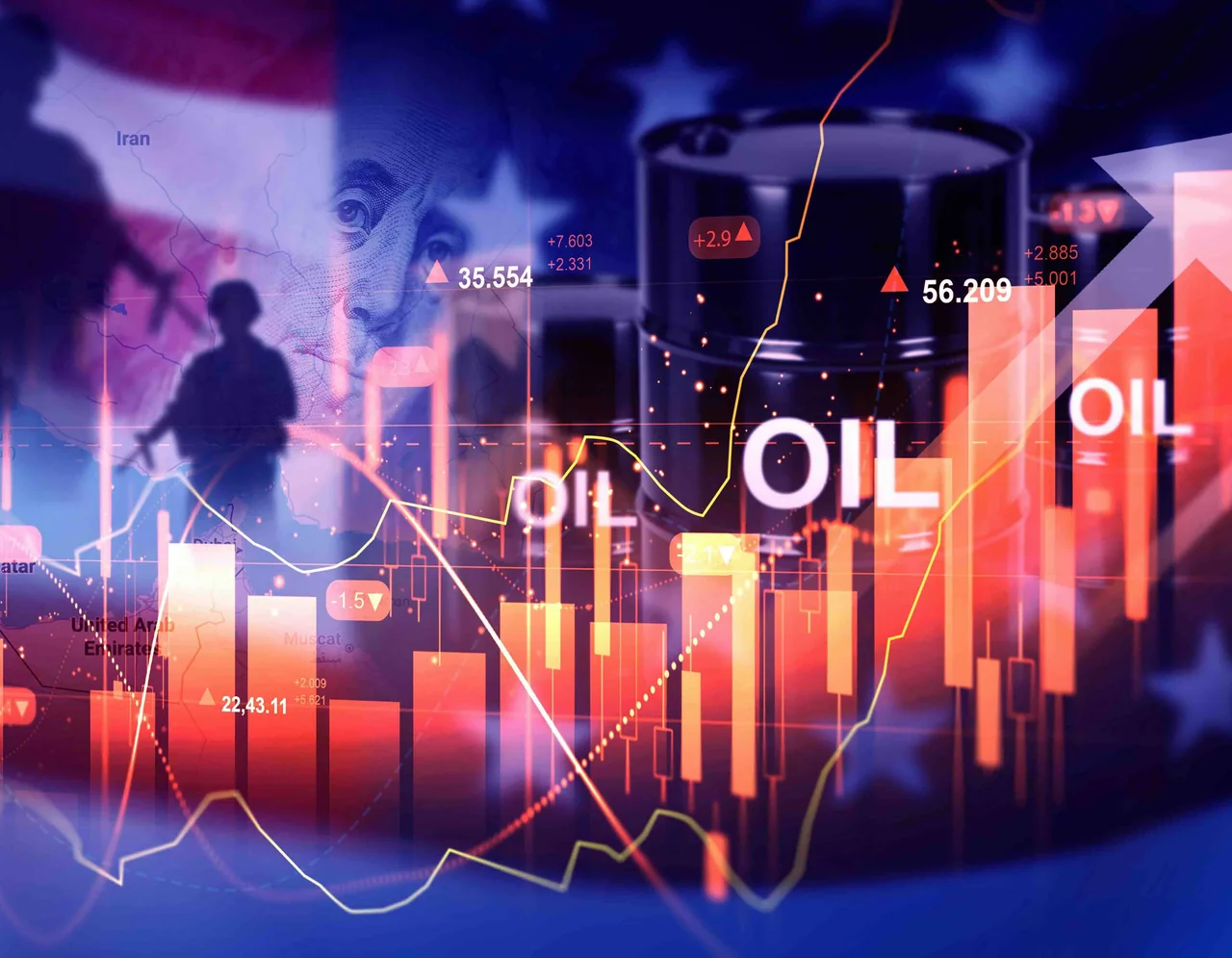
The Brent crude futures gained $3.35, or 3.17%, to $109.07 a barrel by 12:34 p.m. CDT (1734 GMT), while US West Texas Intermediate futures rose by $3.85, or 3.81%, at $105.02. This surge in oil prices reflects the uncertainty and volatility surrounding the Iran conflict, with many analysts warning of potential disruptions to global oil supplies.
The Strait of Hormuz, which is crucial for the transportation of oil and liquefied natural gas, has been closed several times since 2019 due to tensions between Iran and its neighbors. The closure has already had a significant impact on global energy markets, with prices rising by over 10% in recent weeks.
Commerzbank analysts noted that the tone between the US and Iran has become significantly more confrontational, with hopes for a swift reopening of the Strait of Hormuz fading. This increased tension has led to a decrease in market confidence, resulting in higher oil prices.
Iranian Foreign Minister Abbas Araqchi stated that his country has 'no trust' in the United States and is only willing to negotiate if Washington is serious about finding a peaceful solution. This statement highlights the deep-seated mistrust between the two nations, making a deal more challenging to achieve.
US President Donald Trump said he is running out of patience with Iran and that he has agreed with Chinese President Xi Jinping that Iran cannot have a nuclear weapon and must reopen the Strait of Hormuz. These comments have further escalated tensions in the region, leading to increased oil prices.
The Strait of Hormuz is critical for the global energy market, with around 20% of the world's oil supply passing through it. A prolonged closure of the strait could lead to significant disruptions to global energy supplies, causing prices to rise even higher.
Global oil reserves are currently at historic lows, making any disruption to oil supplies even more concerning. The market is now focused on the deadlock in US-Iran relations, with a risk of renewed military escalation.
As the situation continues to unfold, analysts warn that the world has consumed its oil safety net at a historic rate. A prolonged closure of the Strait of Hormuz points toward tighter physical markets, potential refined product shortages, and upward pressure on prices in the coming weeks and months.
The market is now focused on the deadlock in US-Iran relations, with a risk of renewed military escalation.